
Last updated November 16, 2026
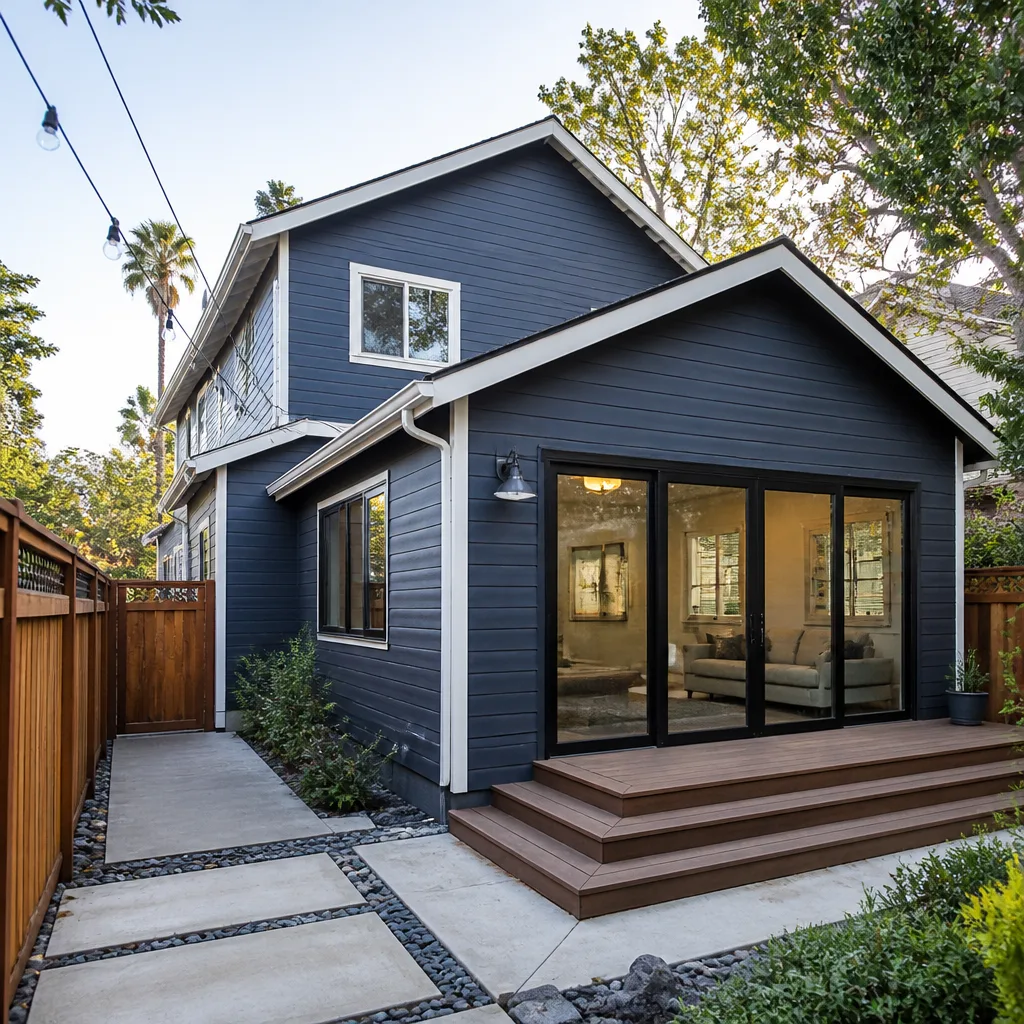 Home additions & ADU
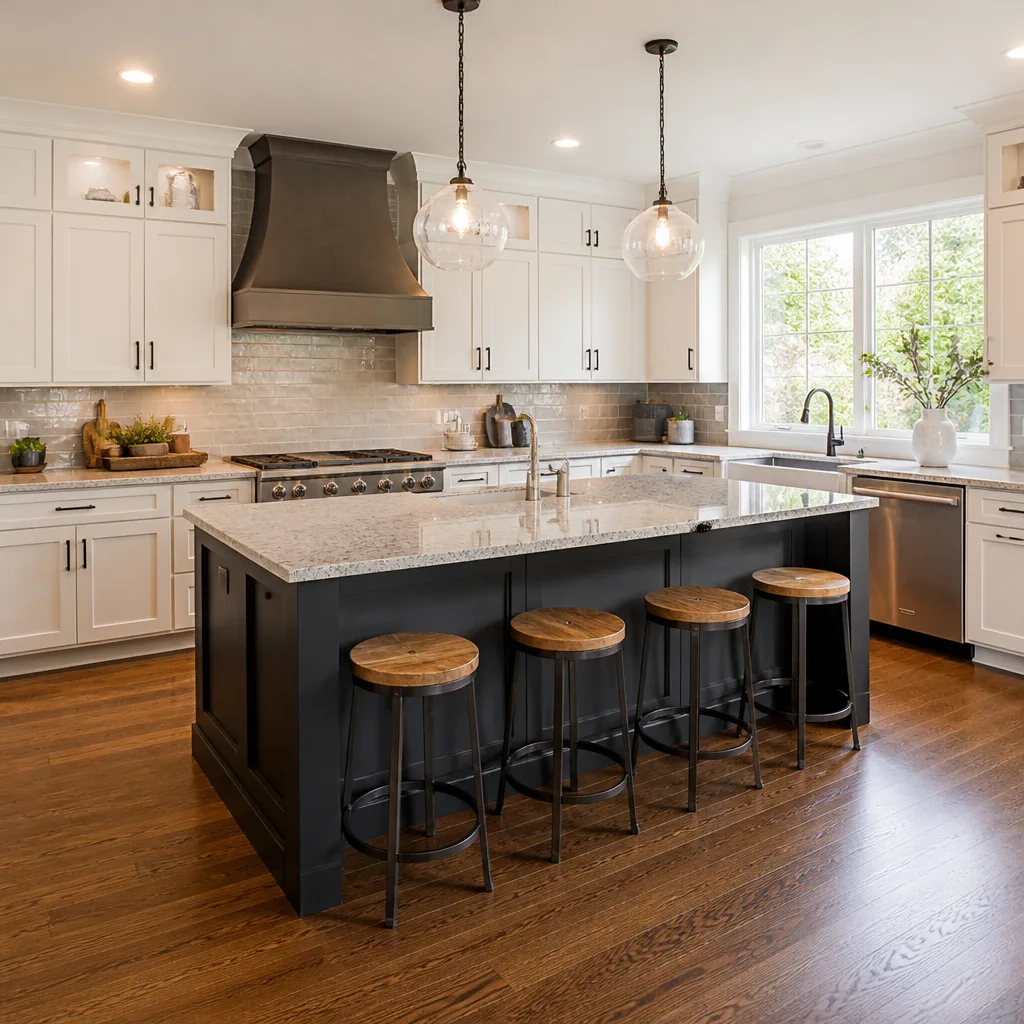 Kitchen remodeling
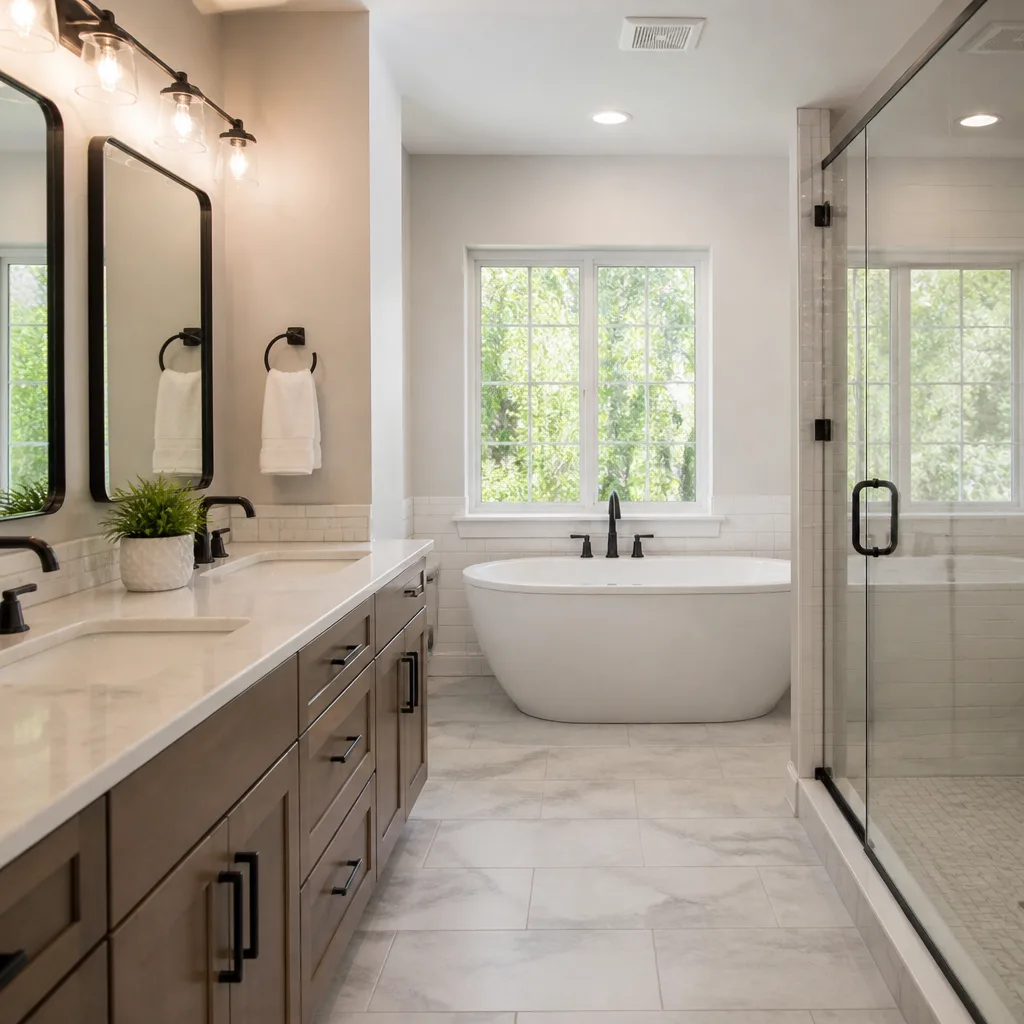 Bathroom remodeling
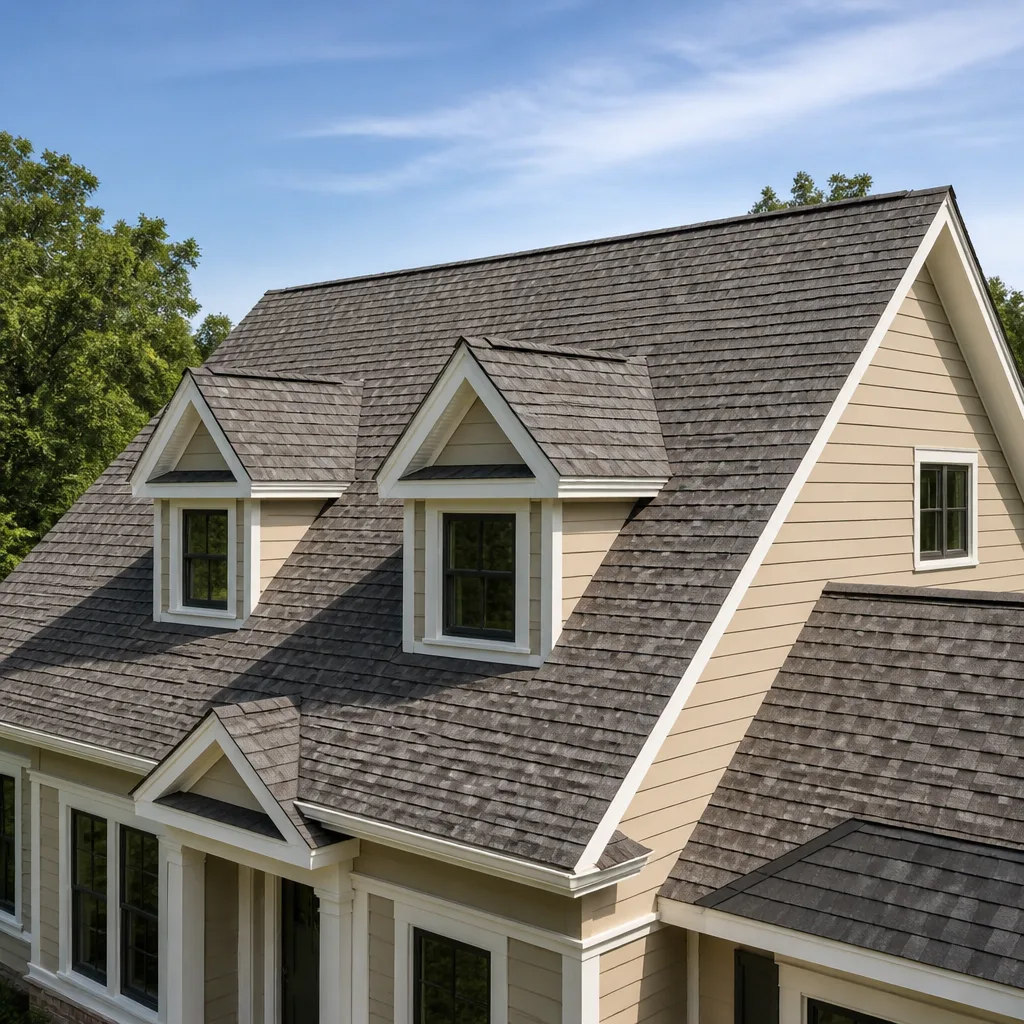 Roofing
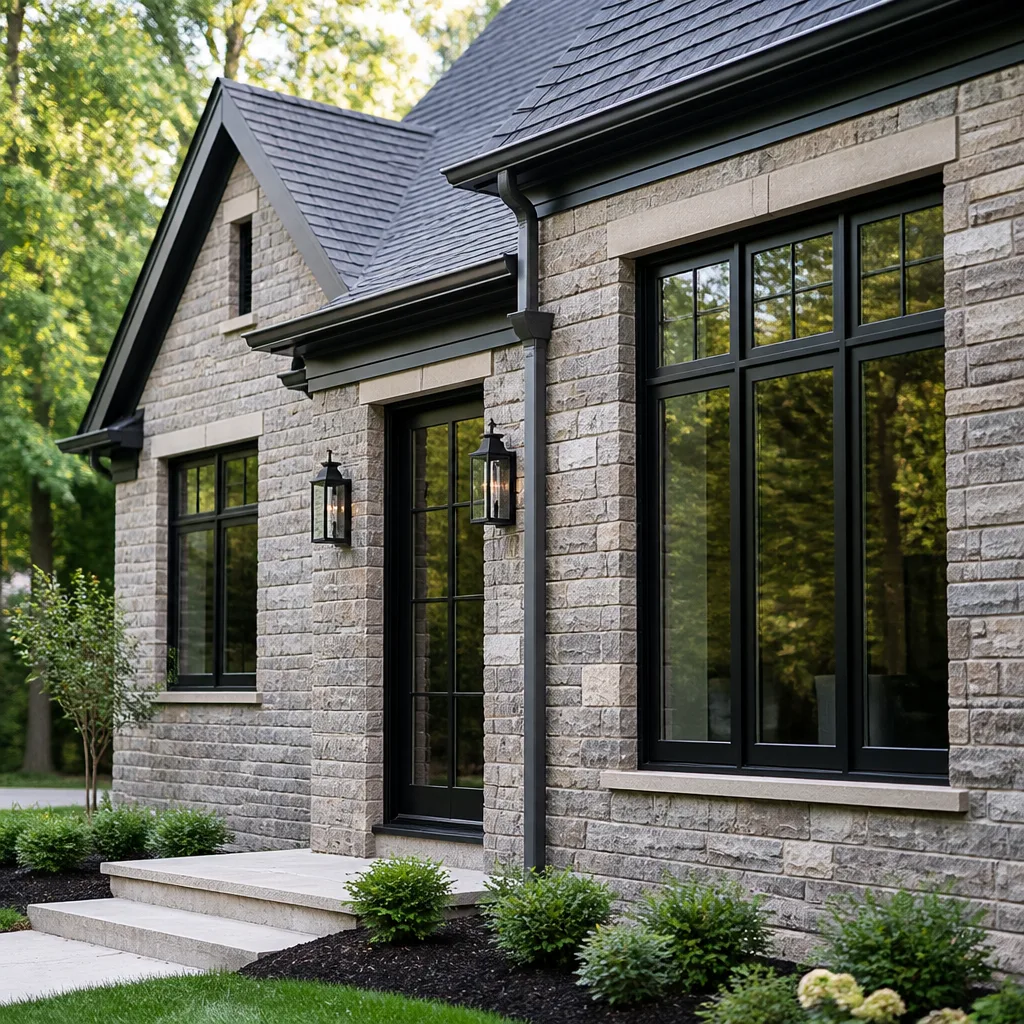 Windows & doors
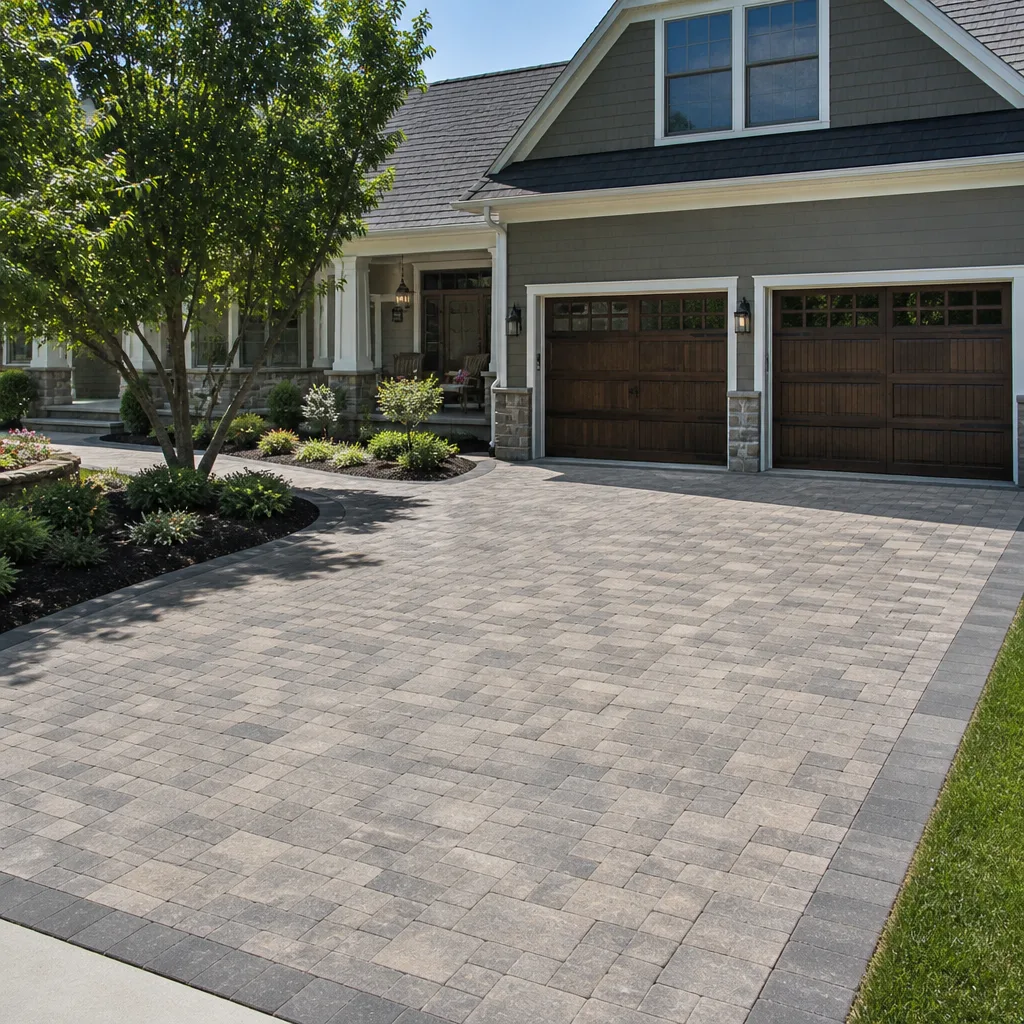 Driveway & pavers
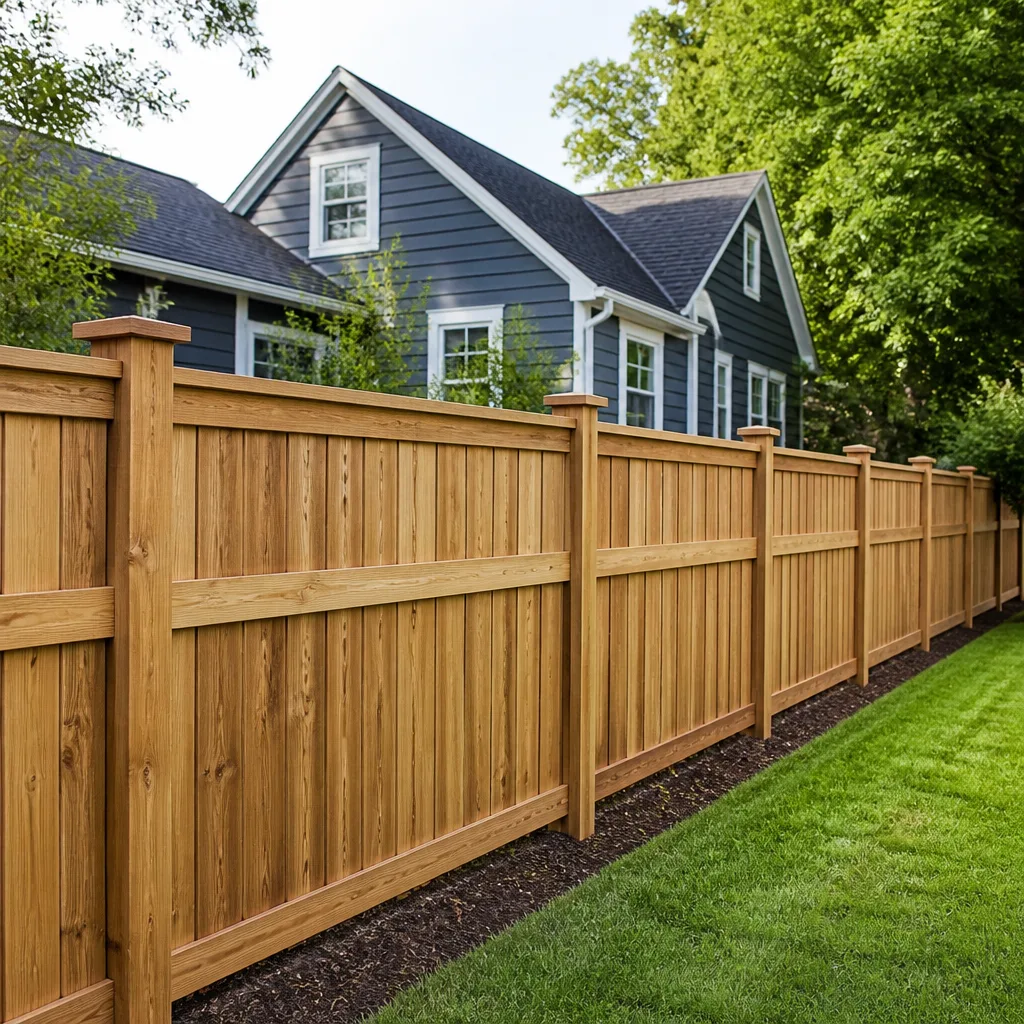 Fence
Free written scope consultation - allowances, timeline, and change-order rules on paper before a single trade is scheduled
Seasonal Construction Care for Palmdale: Year-Round Homeowner’s Guide
Most year-round home maintenance guides are written for mild, damp climates where the worst thing that happens to a house is a wet winter. Palmdale isn’t that place. Here, summer bakes your roofing and caulk at sustained triple-digit heat, fall sends Santa Ana winds through the Antelope Valley that test every fastener and fascia board, winter nights drop cold enough to stress concrete and stucco, and spring’s returning sun finds every gap the other three seasons opened. Skip the September caulk inspection and your summer-cracked sealants go into winter with open joints. This guide walks you through what each Palmdale season actually does to a house, and what to check before it compounds.
Quick Answer
Seasonal construction care in Palmdale means treating each season as a distinct threat rather than a generic reminder to clean your gutters. Summer heat degrades roofing underlayment, sealants, and exterior paint; fall Santa Ana winds attack fascia, ridge caps, and patio covers; winter cold stresses unprotected flatwork, irrigation lines, and stucco with existing cracks; spring is when you assess the damage the temperature swings caused before it spreads. A real calendar for Palmdale schedules specific inspections in each of the four windows and budgets repairs before the next season arrives, not after.
Styles & brands we work with
- Kitchen remodeling
- Bathroom remodeling
- Home additions & ADU
- Roofing
- Windows & doors
- Driveway & pavers
- Fence
Table of Contents
- Why Palmdale’s Climate Demands Its Own Maintenance Calendar
- Summer Protocol: Heat Cycling and Your Roof
- Fall Santa Ana Prep: Wind-Exposed Exterior Elements
- Winter Cold at Elevation: Concrete, Irrigation, and Stucco
- Spring Re-Entry: Assessing What the Temperature Swing Cost You
- Material-Specific Maintenance Cycles
- The Twelve-Month Palmdale Maintenance Calendar
- Common Mistakes to Avoid
Why Palmdale’s Climate Demands Its Own Maintenance Calendar
Palmdale sits on the high desert floor of the Antelope Valley, and that geography produces a temperature profile most national maintenance advice simply doesn’t account for. Summer routinely pushes past 105°F for extended stretches. Winter nights in the higher parts of the valley drop below freezing. The swing between them is wide, and the transitions between seasons are where most of the damage happens.
That matters for construction because building materials expand and contract. Sealants stretch and shrink. Roofing membranes flex. Concrete slabs move. Stucco, which is a rigid skin over a moving frame, develops hairline cracks when the movement is repeated enough times. None of these failures happen overnight. They accumulate across seasons, and each one creates the entry point for the next problem.
What we see repeatedly in Palmdale is a house that looks fine in June and has a water stain on the ceiling in February. The chain usually starts in August or September, when a caulk joint on a window sill or a fascia edge opens from heat. Fall winds push dust and grit into the gap. Winter rain finds it. By the time the stain shows up inside, the repair is no longer a tube of sealant; it’s drywall, insulation, and possibly framing.
The other thing that makes Palmdale different is the housing stock. A lot of the valley’s homes are stucco over wood frame with concrete tile or low-slope roofs, and those assemblies behave very differently from the vinyl-sided, asphalt-shingle houses that most seasonal guides assume. Concrete tile is heavy and durable but brittle under foot traffic and thermal movement. Stucco is excellent in heat but unforgiving of unchecked cracks. Low-slope roof sections, common on additions and patio covers, trap heat in ways pitched roofs don’t.
A maintenance calendar written for Palmdale has to factor in all of this. It’s not about doing more work; it’s about doing the right inspection at the right time, before a small failure becomes a structural one.
Summer Protocol: Heat Cycling and Your Roof
Summer in Palmdale is the season that does the most invisible damage. The sun is relentless, surface temperatures on a dark roof can run well above air temperature, and the daily cycle of expansion and contraction puts steady stress on every sealant, membrane, and fastener on the exterior. The house survives it, but it ages faster in summer than in any other season.
The component most at risk is roofing underlayment, particularly on low-slope roof sections. Underlayment is the water-shedding layer beneath the visible roofing material, and it has a rated service life based on exposure to heat and UV. On a low-slope roof where the sun hits at a shallow angle and air movement across the surface is limited, that underlayment can degrade faster than the roofing material above it. The tile or shingle looks fine while the layer doing the actual waterproofing is drying out and losing flexibility.
Here’s what to watch for as summer progresses:
- Curling or lifting edges on any exposed roofing material, especially at hips, valleys, and the ridge
- Granule loss visible in gutters or at the base of downspouts (a sign of shingle aging, not just wear)
- Brittle or chalky caulk joints around windows, doors, vents, and flashing; press a fingernail into the bead and see if it cracks instead of flexing
- Interior heat staining: faint discoloration on ceiling drywall near exterior walls can indicate moisture being pushed through a compromised underlayment
- Attic temperature spikes, which accelerate the aging of everything above the ceiling line
If you have a pitched roof with a GAF or CertainTeed shingle system, the shingle itself is designed to handle this heat, but the flashing and penetrations around it aren’t always installed with that in mind. Vent boots, chimney flashing, and skylight curbs are where heat-related failures concentrate. Those are the spots to look at first.
One more summer item: exterior paint. Palmdale’s UV load is hard on paint film, especially on south and west elevations. Paint that’s chalked or peeling isn’t just cosmetic; it’s the first line of defense for the stucco and wood beneath it. Once it’s gone, the substrate takes the sun directly.
Fall Santa Ana Prep: Wind-Exposed Exterior Elements
Fall in the Antelope Valley brings the Santa Ana wind events, and those winds are the most underrated threat to a Palmdale house. Sustained gusts can exceed what most building exteriors are tested against, and they arrive after a summer that has already loosened fasteners, dried out sealants, and stressed every attachment point on the exterior.
The elements most vulnerable to wind events aren’t the ones homeowners usually think of. It’s not the roof field. It’s the edges and attachments:
- Fascia boards: the horizontal trim at the roof edge. Fasteners loosen over years of thermal cycling, and wind gets behind a lifted edge and peels it.
- Ridge caps: the capping material along the peak of a pitched roof. These are mechanically fastened and rely on sealant, both of which degrade.
- Patio covers and shade structures: especially aluminum or open-frame covers. Wind uplift on these is significant, and undersized anchors or corroded fasteners fail under load.
- Fence panels and gates: solid fence panels act as sails. Post footings and panel fasteners take the full wind load, and a failing panel becomes a projectile.
- Gutters and downspouts: loose hangers let gutters lift and separate at seams during gusts.
- Soffit and vent covers: lightweight panels that can pull free if fasteners have backed out.
Doing a fall walk-around before the first significant wind event is the single highest-value hour you’ll spend on your house all year. Walk the perimeter, look up at the fascia and ridge line from a safe distance with binoculars, push on fence posts to check for movement at the base, and check that every patio cover anchor is tight. If anything feels loose or looks lifted, address it before the wind finds it.
This is also the right time to look at your fence installation condition as a whole. If panels are leaning, posts are rocking, or the material has aged past its service life, replacing before wind season is far cheaper than repairing after a panel has taken out a window or a car.
Winter Cold at Elevation: Concrete, Irrigation, and Stucco
Palmdale winters aren’t severe, but they’re cold enough at elevation to do real damage to anything that holds water. A night in the high 20s is common enough in the colder parts of the valley, and that’s enough to freeze standing water in an irrigation line, stress a concrete slab that wasn’t properly jointed, and open up hairline cracks in stucco.
Concrete flatwork is where most winter damage shows up. A driveway, patio, or walkway that was poured with proper control joints handles thermal movement fine. One that wasn’t, or whose joints have filled with dirt and debris, will crack as the slab contracts. The cracks then collect water, and the next cold night pushes the water further into the crack. Over a few seasons, a hairline crack becomes a spalled edge or a lifted panel.
Here’s what to check before the first cold night of the season:
- Irrigation lines and hose bibs: drain or blow out any exposed irrigation runs, disconnect hoses, and cover exposed backflow preventers and hose bibs. Standing water in an unprotected line will expand and split the pipe.
- Concrete control joints: clear debris from every joint, and seal any joint that’s opened wider than a quarter inch. This is the lowest-cost winter protection available.
- Stucco micro-cracks: inspect all exterior stucco, particularly on walls that face north and stay shaded. Any crack wide enough to catch a fingernail is an entry point for water, and water in a stucco wall in winter is a slow-motion problem.
- Exterior caulk and sealant: fall is when you re-seal everything summer cracked open. This is the single most important step to prevent winter water intrusion.
- Drainage away from the foundation: confirm that soil slopes away from the house and that downspouts discharge well clear of the slab.
Stucco deserves extra attention because its failure mode is invisible for a long time. A crack lets water in behind the rigid skin. The water sits against the weather barrier and framing. By the time it shows up as an interior stain or a soft spot, the repair involves cutting out stucco and replacing damaged sheathing. We’ve seen this pattern repeat across Palmdale enough that a fall stucco inspection is now standard advice on every exterior project we scope.
Spring Re-Entry: Assessing What the Temperature Swing Cost You
Spring in Palmdale is the season to find out what winter cost you, before summer heat makes it worse. The temperature swings between cold nights and warming days move every material on the exterior of the house at a different rate, and any joint that was already compromised gets pushed further open.
The spring walk-through has a specific order. Start at the roof and work down, because water travels down and you want to find the source before you find the damage.
- Roof and flashing: check for lifted or missing roofing material, damaged flashing at penetrations and wall intersections, and any sign of moisture in the attic sheathing. If you have a low-slope section, confirm the underlayment hasn’t been compromised by a long summer and a wet winter.
- Gutters and downspouts: clear winter debris, confirm hangers are tight, and check that water discharges clear of the foundation.
- Exterior caulk and paint: this is the big one. Every caulk joint that was stressed by summer heat and winter cold should be re-inspected. Any joint that’s cracked, pulled away, or gone chalky needs to be cut out and replaced, not just topped with more caulk. Paint that’s failing should be scheduled before summer UV finishes the job.
- Stucco: walk every elevation and mark any new cracks since fall. A crack that’s grown is telling you something about the wall behind it.
- Concrete and flatwork: check for new cracks, settled panels, or spalling. Note anything that will become a trip hazard or a water trap.
- Fence, patio covers, and shade structures: inspect posts for movement, panels for warping, and anchors for corrosion or loosening after winter.
- Windows and doors: open and close every exterior door and window. Sticking or misaligned operation is a sign that the frame has moved, which means weather sealing is compromised.
The point of the spring re-entry isn’t to panic about every crack. It’s to separate the cosmetic from the structural and to schedule repairs before summer’s heat locks in the damage. A crack you seal in spring is a crack that doesn’t take water next winter.
Material-Specific Maintenance Cycles
Different exterior materials age on different clocks and are vulnerable in different seasons. Treating them all the same is why a lot of maintenance advice falls flat in Palmdale. Here’s what each of the most common materials on a Palmdale house actually needs, and when.
James Hardie Siding
Fiber cement siding is one of the best-performing exterior materials in this climate because it doesn’t rot, doesn’t burn, and holds paint well. But it’s still vulnerable at the joints and penetrations. The seasonal vulnerability window is late summer into fall: that’s when heat cycling stresses the caulk at butt joints, corners, and window trim. Inspect those joints in September, re-caulk anything that’s cracking, and touch up paint on any exposed edges. Hardie siding installed to manufacturer spec holds up well; the joints are what need attention.
Concrete Tile Roofing
Concrete tile is a durable roofing material and common on Palmdale homes, but its failure mode is under the tile, not on it. Tile is a rain screen; the underlayment does the waterproofing. Heat cycling on low-slope sections ages the underlayment faster than the tile, and tile that’s walked on or shifted by wind can crack and expose the layer below. Inspect the roof in spring for cracked or displaced tiles, and in fall for any tile that’s shifted after wind events. Never walk a concrete tile roof yourself; it’s brittle and a fall from it is a serious injury. That’s a job for a trained roofing professional.
Aluminum Patio Covers
Aluminum patio covers are extremely common in Palmdale and they’re excellent shade structures, but they’re also the most wind-vulnerable element on many homes. The vulnerability window is fall, ahead of Santa Ana events. Check anchor points, panel fasteners, and every connection between the cover and the house or posts. Aluminum doesn’t corrode in this climate the way it would near the coast, but fasteners can loosen and panels can lift. A pre-wind-season inspection of a patio cover takes twenty minutes and prevents the cover from becoming wind-driven debris.
Roofing Systems and Brand Matters
If your home has an asphalt shingle roof, the brand and shingle system matter for maintenance planning. GAF, CertainTeed, and Owens Corning all publish maintenance expectations for their systems, and installing to manufacturer spec is what preserves the warranty. That’s why we work with those lines and can show homeowners the real differences between shingle systems rather than defaulting to one. When it’s time to plan a roof replacement, it belongs on the calendar as a coordinated project with fascia, flashing, and gutter work, not a standalone swap.
The Twelve-Month Palmdale Maintenance Calendar
Here’s the calendar in one place. It’s a starting point, not a rigid schedule; every house ages on its own timeline, and a home with a lot of exterior wood or a low-slope roof will need more attention than a newer stucco build. But this is the rhythm that works for most Palmdale homes.
- March through May (spring): full exterior inspection from roof down. Re-caulk every failed joint. Mark and address stucco cracks. Clear gutters. Inspect concrete flatwork for new cracks. Test every exterior door and window. Schedule any roofing repair before summer heat arrives.
- June through August (summer): monitor roof and caulk condition as the heat builds. Watch for granule loss, curled shingle edges, and brittle caulk. Keep an eye on attic heat and ventilation. This is the season for interior projects like kitchen remodeling or a bath update, when working indoors makes the most sense.
- September (pre-wind caulk inspection): the single most important maintenance hour of the year. Re-inspect and replace any caulk joint stressed by summer heat. Tighten every exterior fastener you can reach. Re-check fascia, ridge caps, and patio cover anchors.
- October through November (fall): full Santa Ana prep walk-around with binoculars. Inspect fence posts and panels. Check patio covers. Confirm gutters are secure. Drain and protect irrigation lines before the first cold night.
- December through February (winter): monitor for water intrusion after rain. Check interior ceilings and walls near exterior corners for staining. Keep irrigation off. Watch for stucco cracks that open during cold snaps. This is also exterior project season for roofing and window replacements, when cooler temperatures make the work more comfortable.
If you’re planning a bigger project that touches the exterior envelope, the calendar should drive the timing. A new roof or window package scheduled in fall means a dry, wind-tight house going into winter. The same work done in spring means a summer of curing before the first real weather test. Coordinating driveway & pavers work with roof and gutter replacement, for example, avoids tearing up new hardscape to repair drainage a few months later.
Common Mistakes to Avoid
- Skipping the September caulk inspection. Summer heat is what opens caulk joints; fall winds and winter rain are what exploit them. If you only caulk in spring, the joints that opened in August go into winter unprotected.
- Assuming a low-slope roof is fine because you can’t see the problem. On low-slope sections, the underlayment degrades invisibly. The absence of a visible leak doesn’t mean the roof is healthy; it means the water hasn’t found the interior yet.
- Walking a concrete tile roof yourself. Tile is brittle and a fall is serious. Roof inspections on tile should be done by a trained roofing professional, from a safe footing or from a ladder.
- Topping old caulk with new caulk. A failed bead needs to be cut out and replaced. Caulk over caulk fails faster and hides the condition of the joint.
- Ignoring stucco micro-cracks until they leak indoors. By the time a stain appears inside, water has already been in the wall for a while. Catching cracks in spring is far cheaper than repairing stucco and sheathing in summer.
- Leaving irrigation lines charged through the first cold snap. A freeze at elevation splits an unprotected line, and the repair can mean digging up hardscape. Drain the lines in fall.
- Treating exterior projects as separate purchases. A roof, fence, and paver project planned as one scope is less expensive and more weather-tight than three projects done in three years. That’s the case for single-contractor coordination: one team from the roof to the driveway.
See the difference
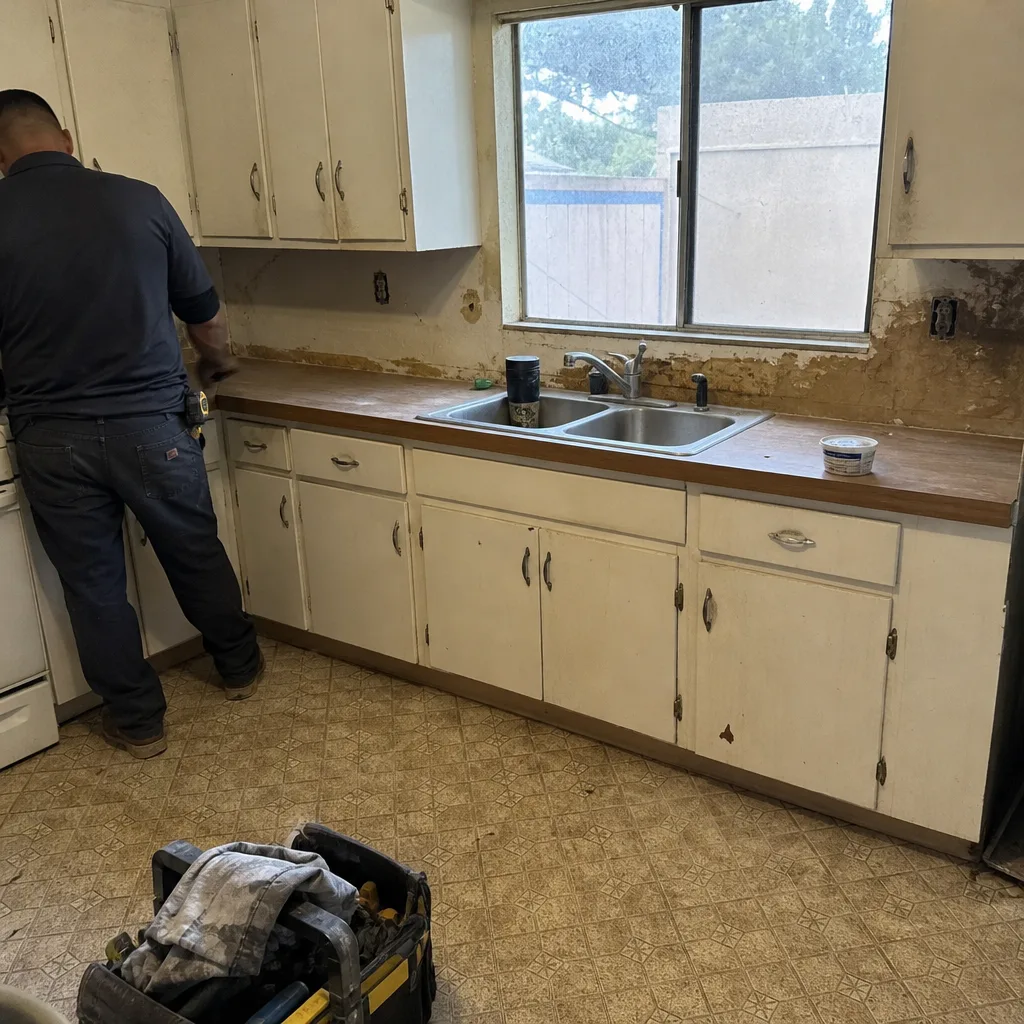 Before
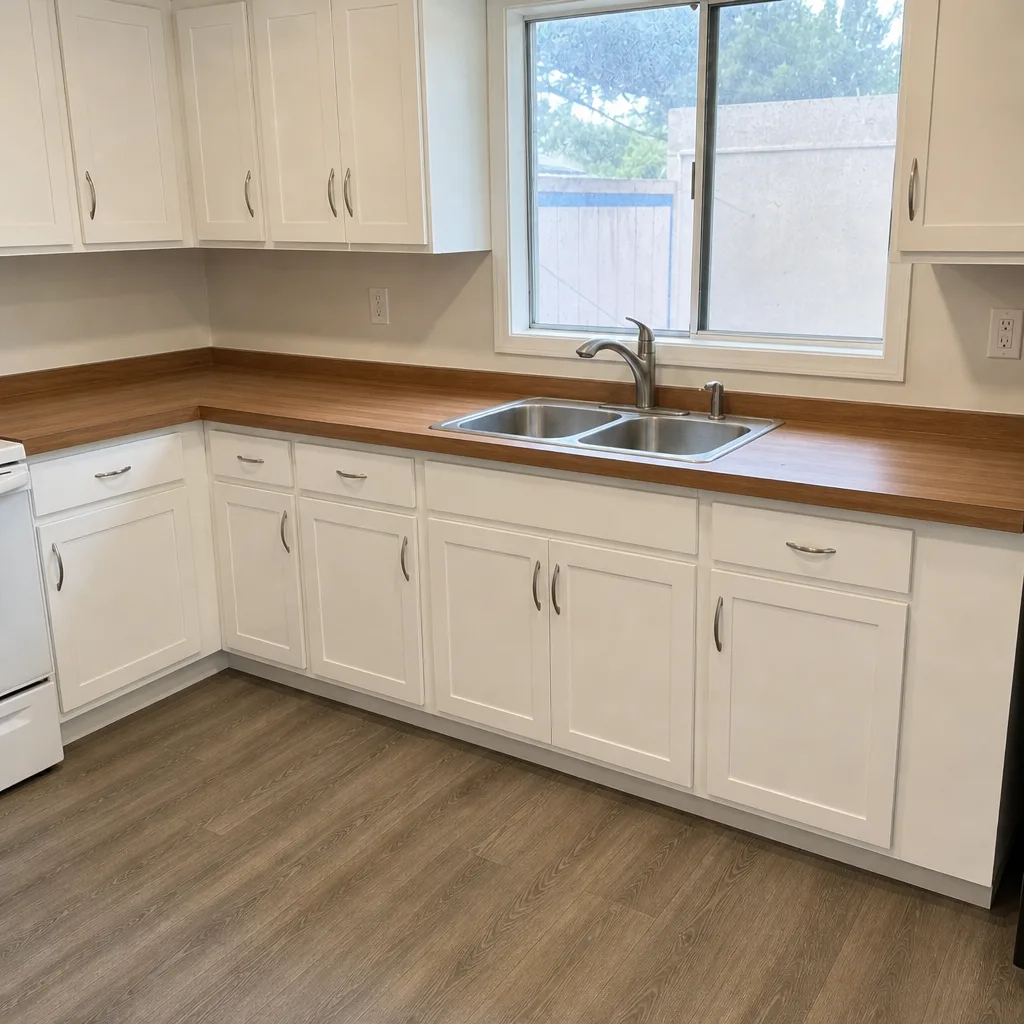 After
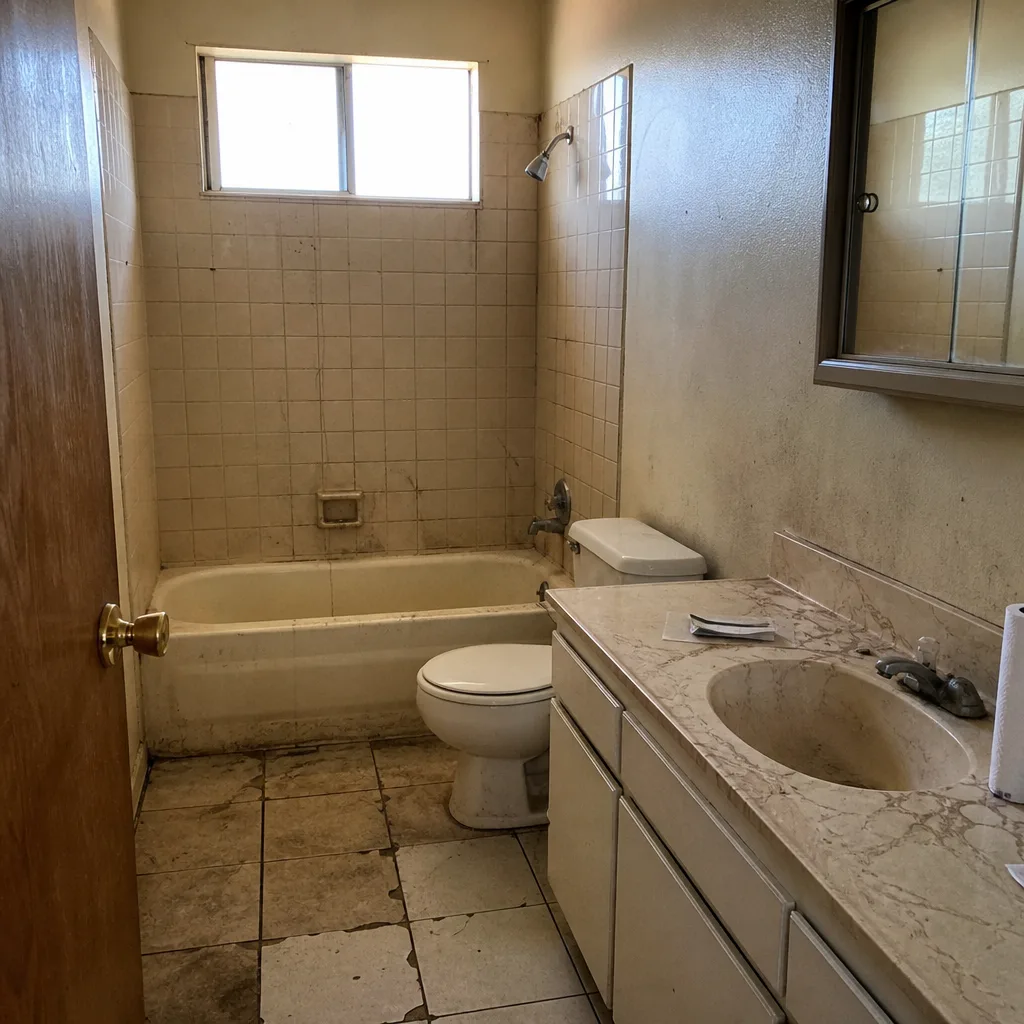 Before
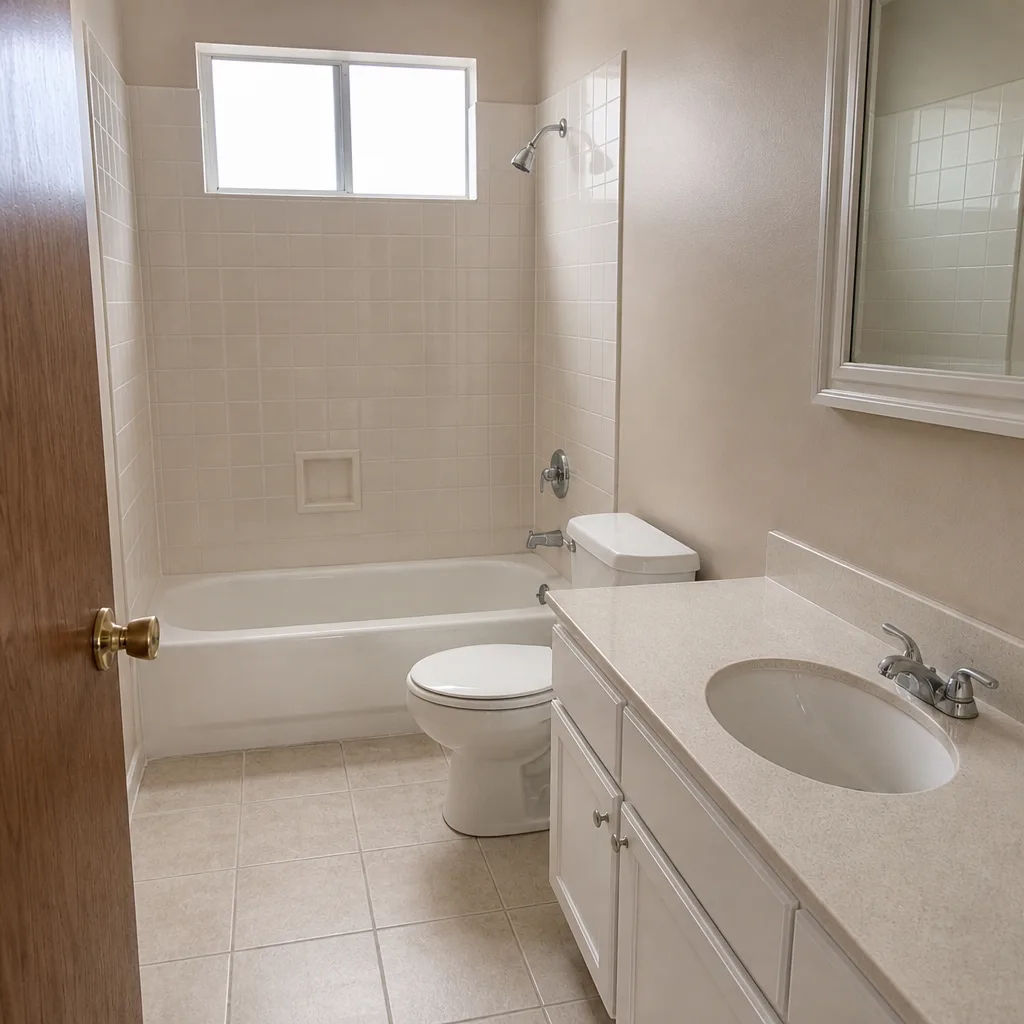 After
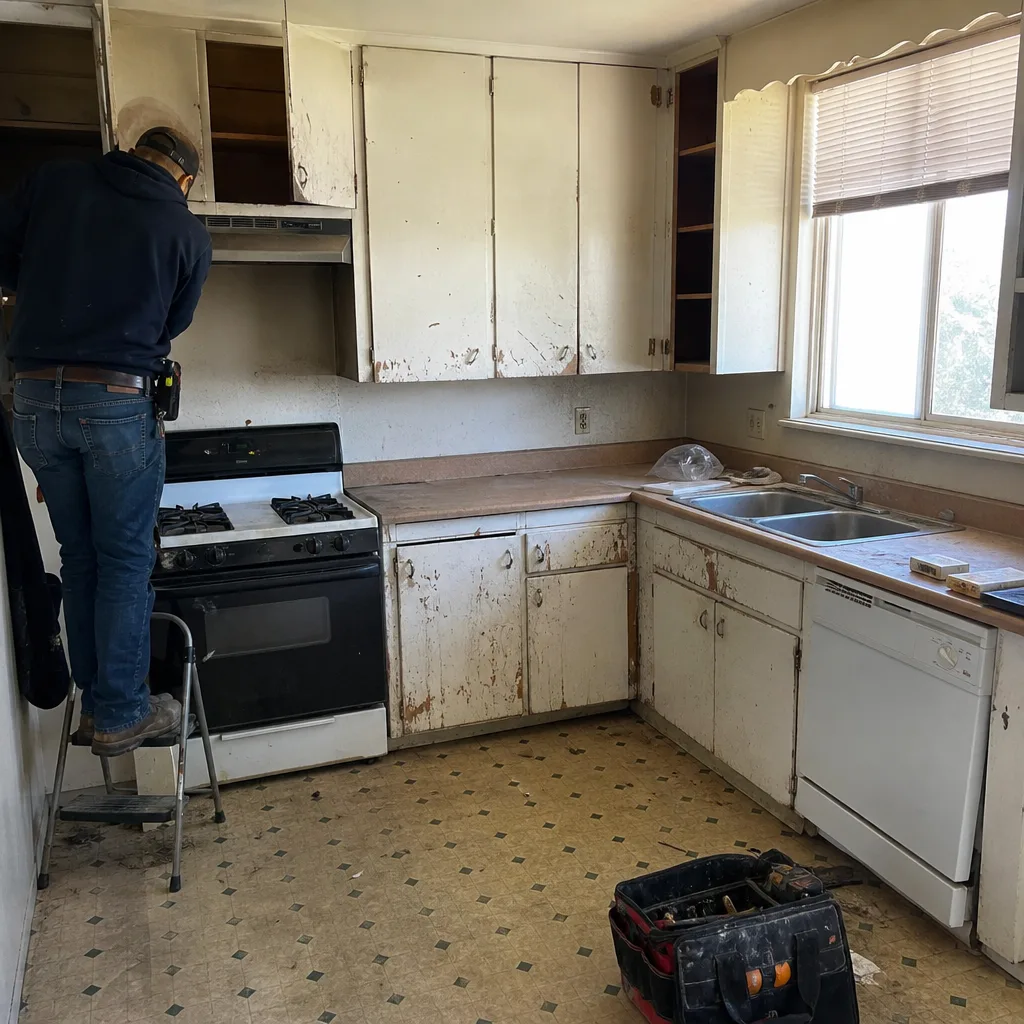 Before
 After
When to Call a Professional
Some of the seasonal checklist is genuinely DIY: draining irrigation, clearing gutters from the ground with a blower, re-caulking a window sill, pushing on a fence post. But some items are dangerous or easy to misjudge, and those belong with a professional. Call us when:
- There’s any indication of roof underlayment failure, cracked tile, or interior moisture staining
- Stucco cracks have grown, widened, or show any sign of water at the edges
- Fascia, soffit, or ridge caps are loose, lifted, or showing corrosion at fasteners
- A patio cover, fence, or shade structure has movement at the base or anchors
- You’re planning a coordinated exterior project (roof plus fascia, windows plus siding, fencing plus pavers) and want a single written scope
- You’re considering an home addition & ADU and need the new structure’s exterior to tie into your existing building envelope properly
Construction Palmdale offers free estimates in Palmdale – call (844) 320-6596. Our technicians have up to 10 years of experience with the materials and assemblies common in this valley, and we work with brands like GAF, CertainTeed, and Owens Corning so your repairs and replacements match the systems already on your home. Every job is scoped with a written line-item estimate, and the estimate sets the final price.
Frequently Asked Questions
At least once a year, and the right time is September, not spring. Summer heat is what stress-cracks the caulk joints, so a fall inspection catches the failures before winter rain and Santa Ana winds get into them. If your home has a lot of exterior wood trim or large window runs on south and west walls, plan on a mid-summer spot check as well and re-caulk anything that’s gone brittle or pulled away.
Heat degradation of the underlayment on low-slope sections is the biggest seasonal risk, followed by wind damage to fascia, flashing, and ridge caps in fall. Concrete tile and shingle surfaces hold up well in this climate; it’s the layers and attachments beneath and around them that age. A spring inspection catches wind damage, and a fall inspection catches heat damage before the wet season. If you’re unsure, call (844) 320-6596 and we’ll schedule a free estimate.
Yes, it does, especially in the higher parts of the valley where nights dip below freezing. A night in the high 20s is enough to freeze standing water in an irrigation line and to stress a concrete slab whose control joints have filled with debris. Draining irrigation in fall and clearing and sealing control joints is the cheapest winter protection available. Call (844) 320-6596 if you need flatwork inspected or repaired before the cold sets in.
Look for cracks wide enough to catch a fingernail, especially on north-facing walls that stay shaded, and check for any softness or discoloration at the base of exterior walls after rain. Stucco failures are invisible for a long time because water sits behind the rigid skin. A spring walk-around with a notebook, marking any new cracks since fall, is the simplest early detection. Anything you’re unsure about is worth a professional look.
Most of the inspection checklist is safe to do yourself from the ground, and it’s valuable to know your own house. Anything that requires getting on a roof, especially concrete tile, or that involves diagnosing stucco and underlayment condition, should go to a professional. The cost of an inspection is small compared with the cost of water intrusion that’s been sitting in a wall for a year. Call (844) 320-6596 for a free estimate.
Roofing, windows, doors, fencing, and siding all go in most comfortably in fall and winter, when temperatures are cooler and rain is manageable, and the result is a weather-tight house before the next summer. Pavers and hardscape are more flexible but should be scheduled around drainage work so you’re not tearing up new driveways to fix a gutter problem. Coordinating projects with one contractor avoids that kind of sequencing mistake. Call (844) 320-6596 and we’ll help you map the order.
The Bottom Line
Palmdale’s four seasons each attack a house differently, and a maintenance calendar that treats them the same misses the point. Summer heat degrades underlayment and sealants. Fall Santa Ana winds test fascia, ridge caps, patio covers, and fences. Winter cold stresses concrete, irrigation, and stucco. Spring is the assessment window before the cycle repeats. The single highest-value habit is the September caulk inspection, done before the wind and rain find every joint summer opened. Do that, coordinate your bigger projects across the building envelope, and your home absorbs the seasons instead of recording them. We work with the brands and materials that perform in this climate, and we’re glad to walk through the options with you before you commit to anything.
Call (844) 320-6596 for a free estimate on any seasonal project, from roof repairs and window and door replacement to fencing, pavers, and full Construction Palmdale exterior and interior work. We answer 24/7. Fast dispatch from 7am to 7pm, Sunday through Friday.
Written by the team at Construction Palmdale.