
Last updated November 16, 2026
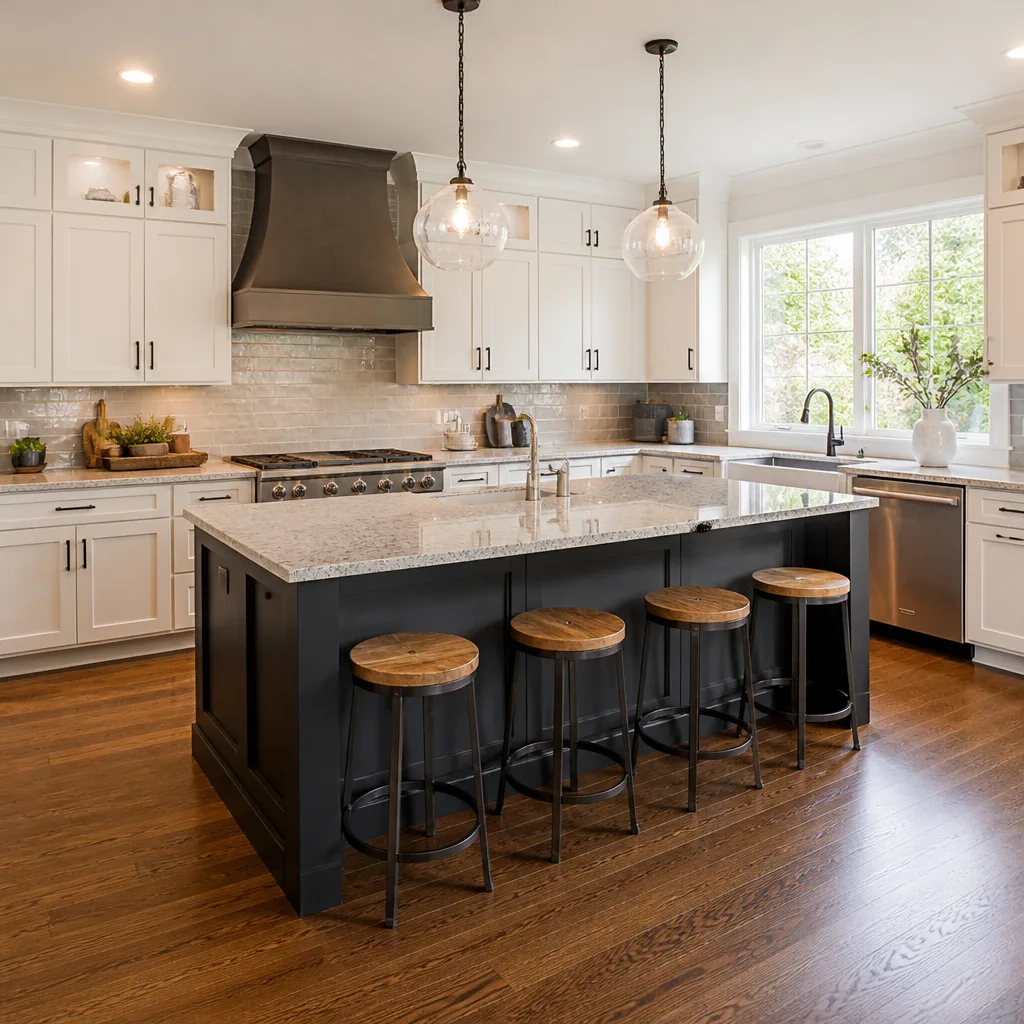 Kitchen remodeling
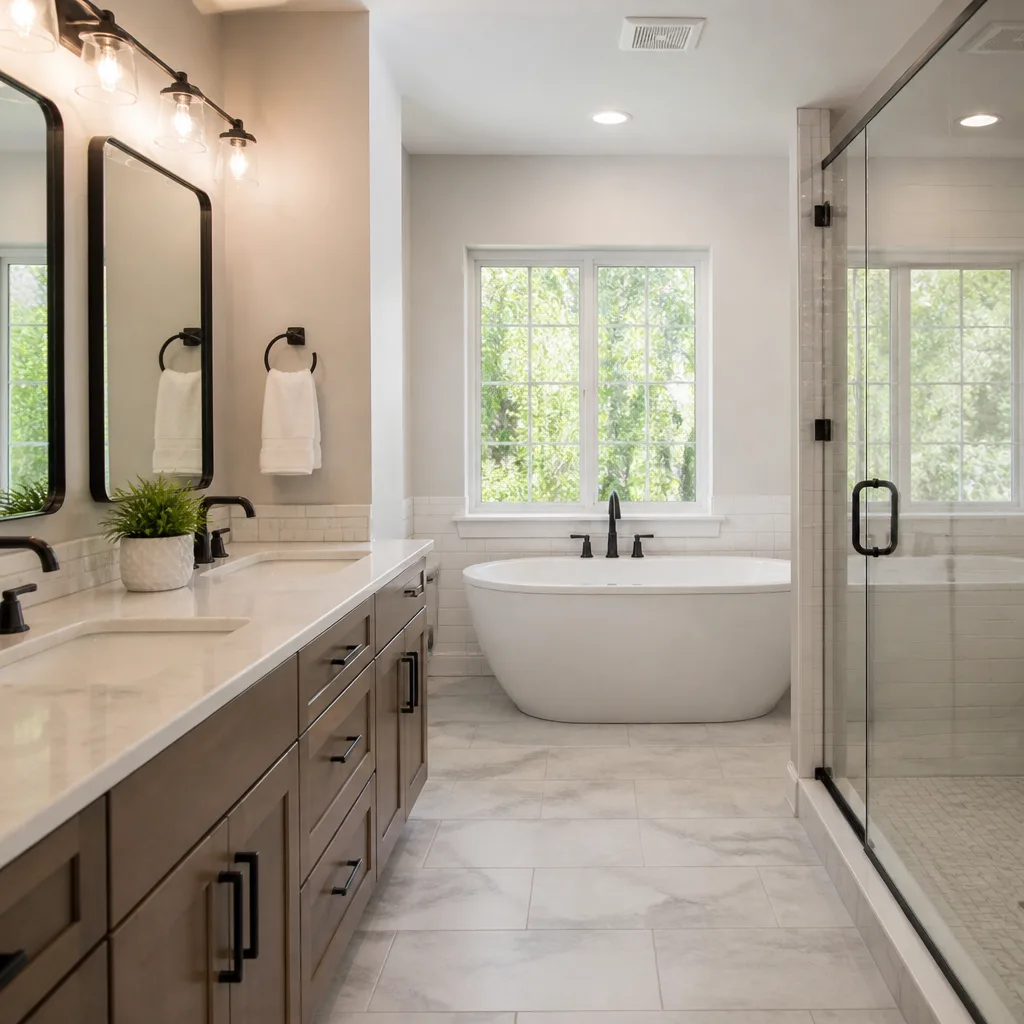 Bathroom remodeling
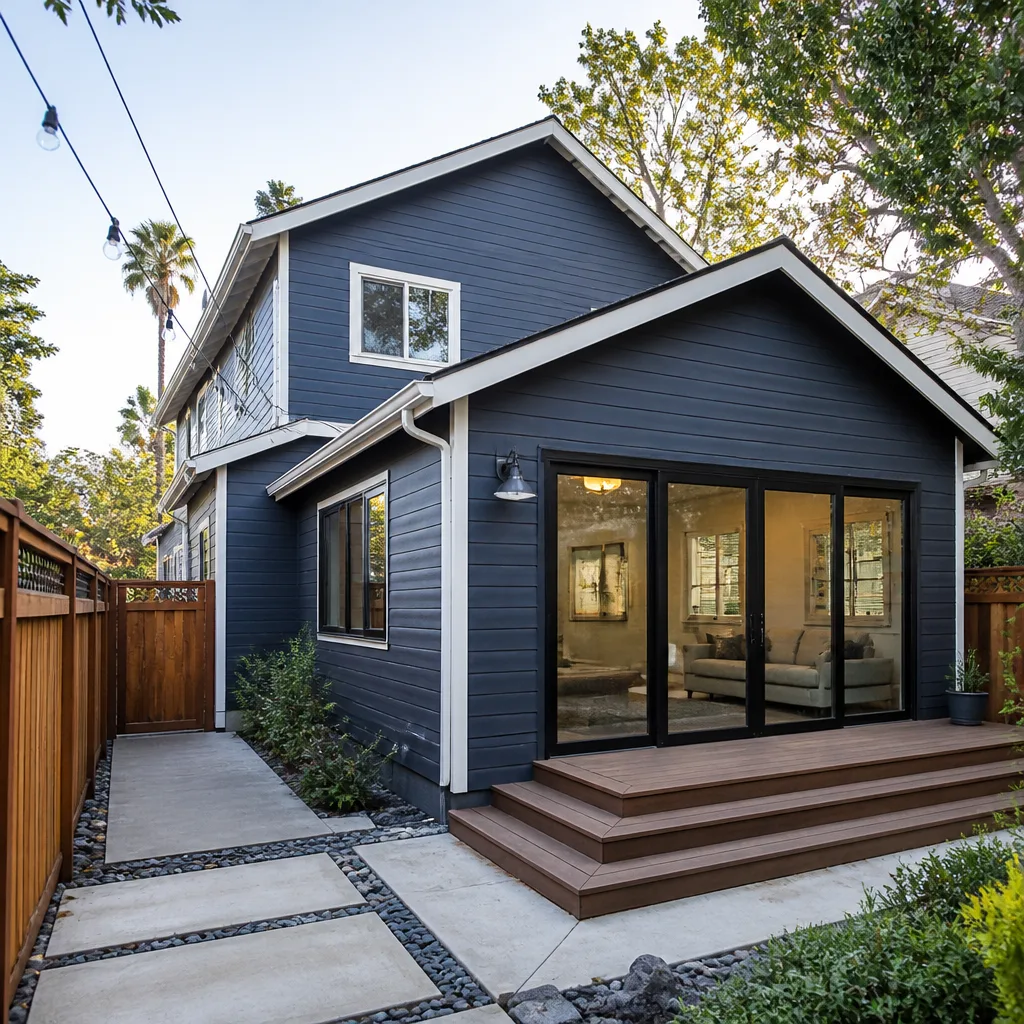 Home additions & ADU
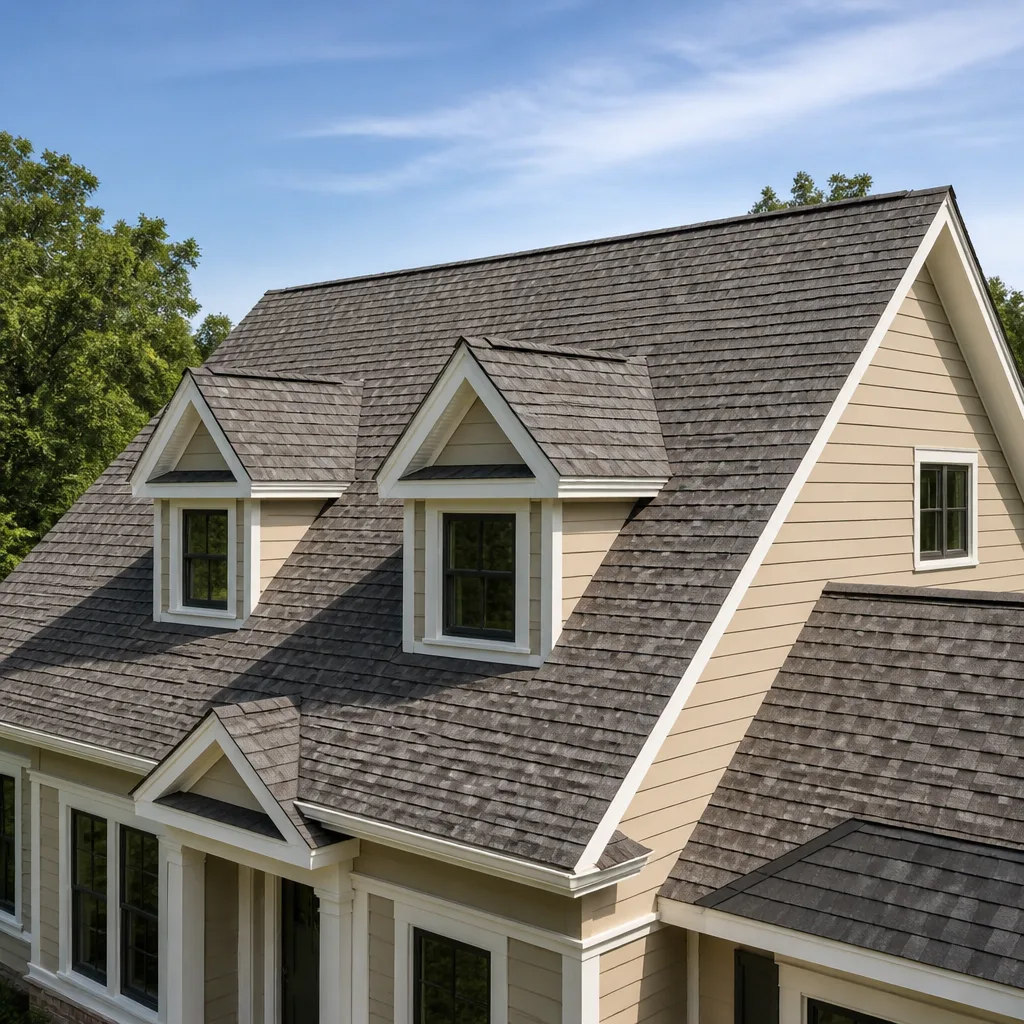 Roofing
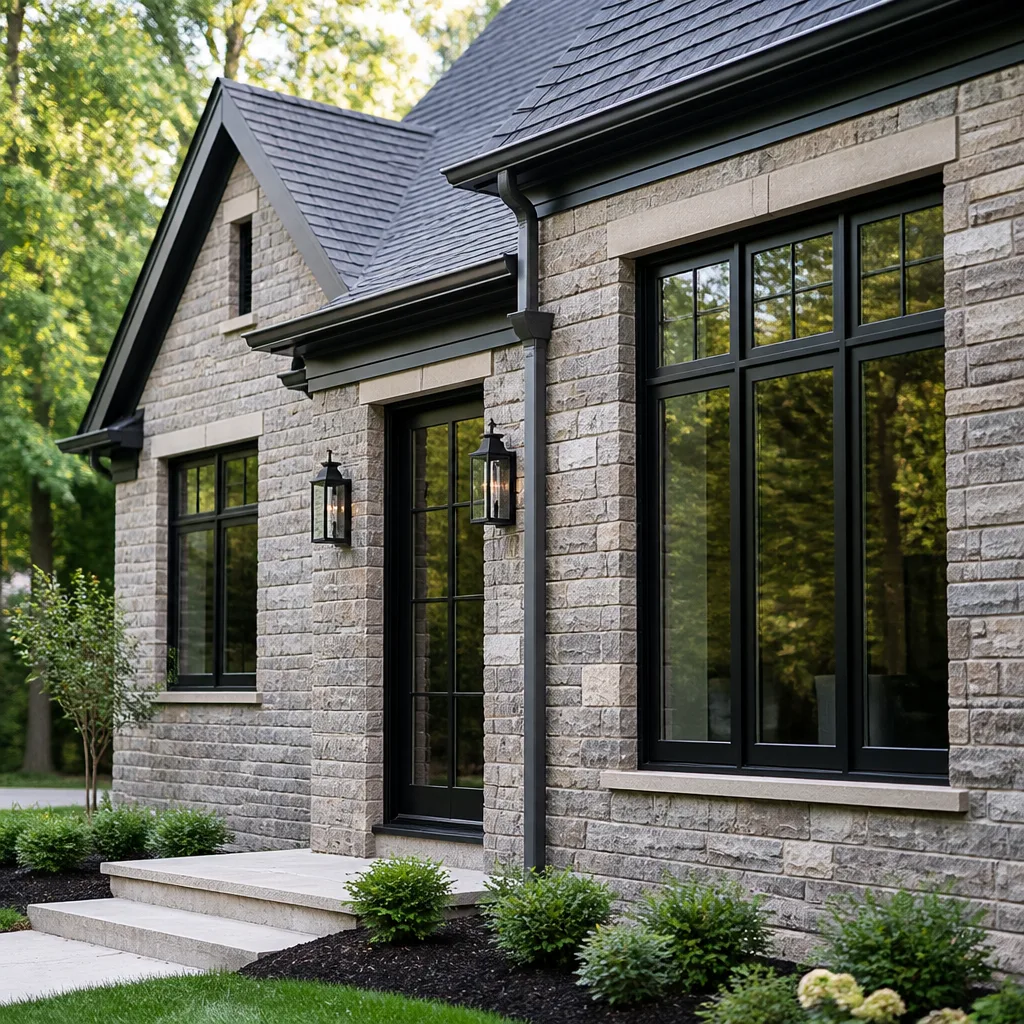 Windows & doors
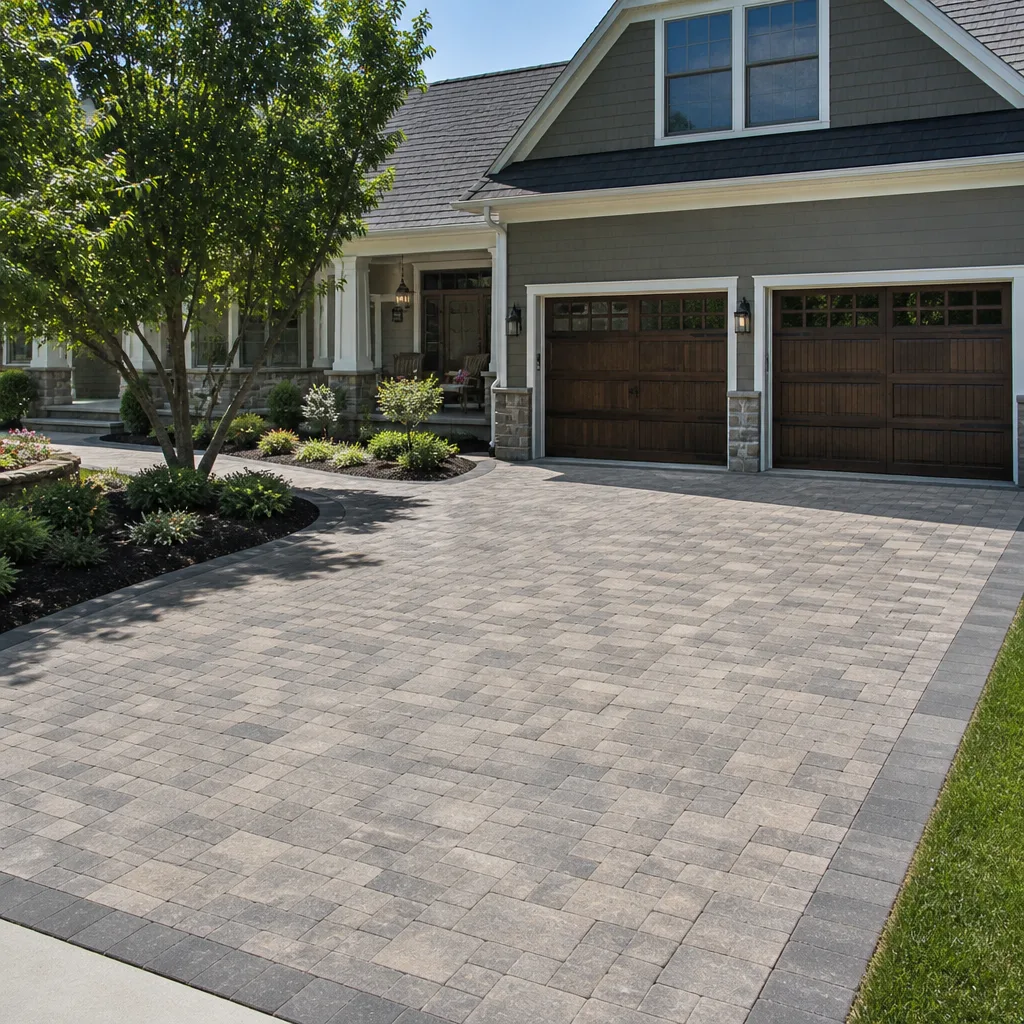 Driveway & pavers
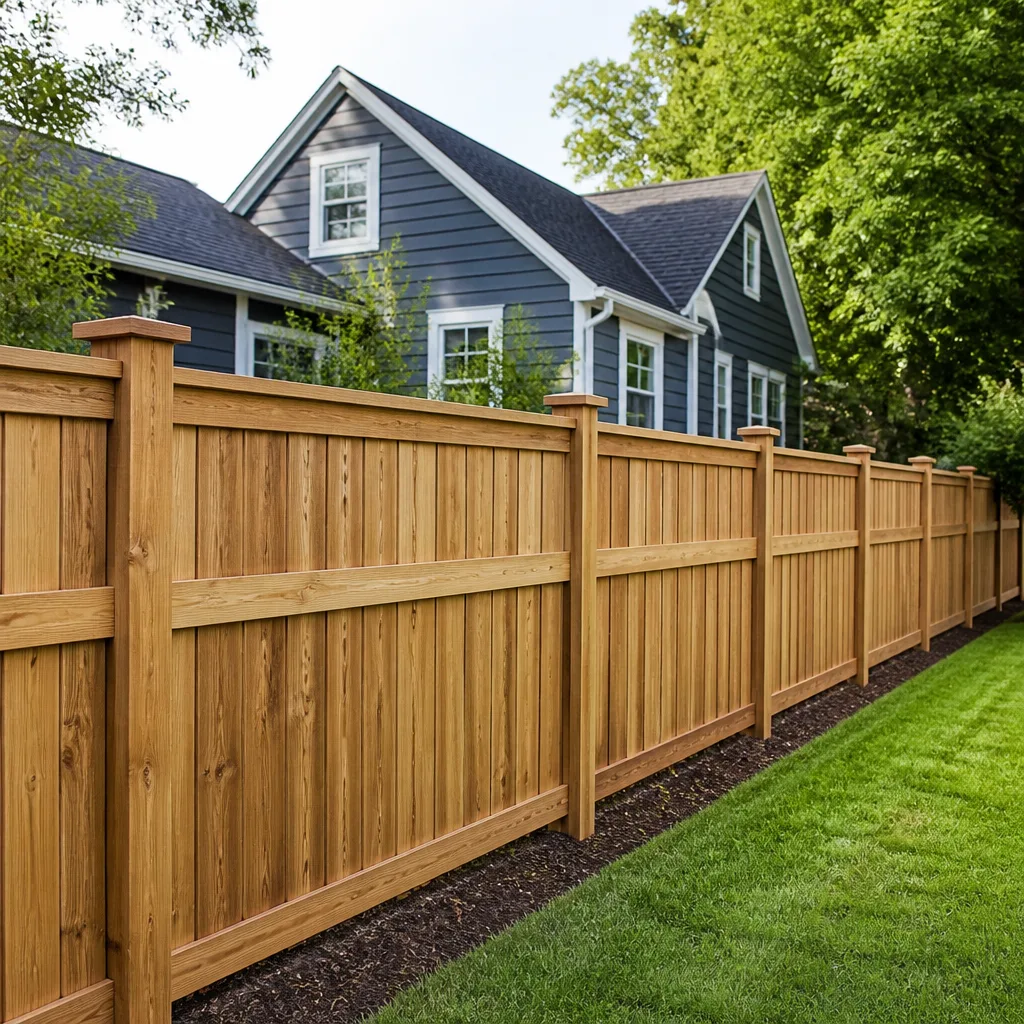 Fence
Free written scope consultation - allowances, timeline, and change-order rules on paper before a single trade is scheduled
How to Hire a Construction Contractor in Palmdale: A Step-by-Step Guide
A CSLB license tells you a contractor passed a test. It doesn’t tell you whether they’ve ever built on caliche, specified materials for 115°F roof deck temperatures, or pulled a permit through the City of Palmdale’s building department. That gap between “legally allowed to build” and “actually knows this ground and this climate” is where most hiring advice falls short, because the standard checklist – three bids, check the license, ask for references – was written for markets that don’t look like the Antelope Valley. Palmdale has grown fast, and fast growth pulls in contractors licensed somewhere else who have never worked here. This guide covers the standard steps, then adds the Palmdale-specific vetting that filters out technically licensed but locally inexperienced operators.
Quick Answer
To hire a construction contractor in Palmdale, verify the license classification covers your specific project, confirm the contractor has actually worked in high desert conditions (caliche soils, wind-load exposure, extreme UV and heat), read their public permit history through the City of Palmdale before signing, and insist on a contract that names brands, code references and inspection milestones. Skip any one of those and you’re hiring on price alone, which is the most expensive way to build.
Styles & brands we work with
- Kitchen remodeling
- Bathroom remodeling
- Home additions & ADU
- Roofing
- Windows & doors
- Driveway & pavers
- Fence
Table of Contents
- What Kind of Contractor License Do You Actually Need in Palmdale?
- How Do You Tell If a Contractor Has High Desert Experience?
- How Do You Read a Contractor’s Permit History Before You Sign?
- What Red Flags Are Specific to the Antelope Valley Market?
- What Must a Palmdale Contract Actually Include?
- How Should You Compare Bids Without Getting Fooled?
- Step-by-Step: The Hiring Process in Order
What Kind of Contractor License Do You Actually Need in Palmdale?
What you need depends on what you’re building. The California State License Board issues classifications, and each one authorizes a specific scope of work. Hiring a contractor whose classification doesn’t cover your project means the work is unlicensed for that job, even if the contractor is licensed for something else. That’s a problem at inspection time and a bigger problem if there’s ever a dispute or an insurance claim.
For the residential projects most common in Palmdale, here’s what each classification actually covers:
- B – General Building Contractor: The general classification for residential construction that involves more than one trade. A B license lets a contractor take your whole remodel or addition and subcontract the specialty trades under it. This is the classification that sits behind a full home addition or a whole-house project.
- C-39 – Roofing: Roof installation and repair only. A roofer can replace your roofing, but cannot remodel your kitchen or add a room under a C-39.
- C-36 – Plumbing and C-10 – Electrical: Specialty trades with their own classifications. On a kitchen or bathroom remodel these often work as subcontractors under the general contractor.
- C-27 – Landscaping: The classification behind most paver driveways and hardscape work, including projects using Unilock or Techo-Bloc materials.
- C-13 – Fencing: Fencing has its own specialty classification. Fence installation is not covered by a landscaping or general building license alone.
Ask the contractor directly which classification they hold and which one your project falls under. A credible contractor answers without hesitation and can explain the difference between their general classification and any specialty work that will be subcontracted. When a single contractor holds or coordinates the right classifications across your entire project, you get single-contractor accountability instead of a homeowner juggling three phone numbers.
How Do You Tell If a Contractor Has High Desert Experience?
High desert conditions stress buildings in ways that coastal and valley contractors don’t design for, and the questions below surface whether your contractor has actually built here. Ask them during the estimate walk-through, not after you’ve signed.
Caliche and soil handling
The Antelope Valley is known for caliche – a hard, cemented layer of soil that makes footing and trench digging substantially more difficult than in looser ground. Ask how they handle caliche when they hit it, whether it affects their footing estimate, and whether they’ve had jobs where caliche changed the scope. A contractor who has built here has a plan for it. A contractor who hasn’t will say “we’ll deal with it if we hit it,” which is the same thing as “your estimate has a hole in it.”
Wind-load compliance
Palmdale sits in a high-wind exposure area, and wind-load requirements affect roofing fastening patterns, window and door anchorage, and the engineering on additions. Ask whether their roofers follow the fastening schedule required for this exposure, and whether their window and door installation accounts for the pressure rating your address needs.
UV and heat-rated materials
Roof deck temperatures here run far above ambient, and UV exposure degrades materials faster than in milder climates. Ask what brand of roofing they specify and why. A contractor who knows the local market talks in specifics – GAF vs. CertainTeed, Owens Corning vs. IKO – and can explain which shingle system performs best under intense sun rather than which one has the best margin. The same goes for exterior paint, sealants and window glass. For more on how material choices play out on exteriors, see our roofing page.
What you’re listening for: specific material names, specific fastening requirements, and unprompted mention of the local hazards. What you’re listening for the absence of: “we’ve done a lot of work in the desert” with no example of how it changed their specification.
How Do You Read a Contractor’s Permit History Before You Sign?
Permit history is the closest thing to a public track record you can check before signing. Contractors who pull permits have their work inspected, and their permit history tells you how much local work they’ve actually done. The City of Palmdale makes permit records available through its public records portal, and walking through it before you sign takes about twenty minutes.
- Ask the contractor for their license number and confirm it’s active and in good standing with the CSLB.
- Pull the permit history under that license number through the City of Palmdale’s building department public records portal. This reveals the volume, type and location of their permit work in this jurisdiction.
- Check the permit types. A contractor advertising rooftop additions and full remodels should show substantial permit history for attached additions and structural projects, not just a handful of fence permits.
- Look at permit age. A long gap between permit filings might mean the contractor has moved out of the area, changed focus, or has been working without permits. Ask about it directly.
- Look for finaled permits. A permit that was pulled and never finaled is a red flag – it means the work wasn’t inspected to close-out, which can complicate your own project if the same contractor takes on more.
- Confirm the contractor’s licensing and insurance are current before signing, and don’t accept a certificate of insurance that isn’t current or issued in another name.
This step catches a specific kind of problem: contractors who are licensed and insured but doing their first significant work in Palmdale. That’s not automatically disqualifying – everybody has a first project here – but it should change what you ask next, and it should lead you to ask for a site visit. See how this plays out on driveway & pavers projects, where soil and base preparation are the difference between a driveway that stays level and one that heaves.
What Red Flags Are Specific to the Antelope Valley Market?
Palmdale’s growth has brought in a wave of contractors licensed elsewhere with no deep local experience, and several of the warning signs are specific to that pattern. Watch for these.
- Quoting without a site visit. Palmdale’s soils vary block to block, and no contractor can price a driveway, addition or fence from a satellite photo. An out-of-area crew that quotes from photographs is pricing a project they haven’t seen and can’t honestly estimate.
- License address outside the Antelope Valley. Not disqualifying on its own, but it means you should ask how often they work here and whether their crew is locally based or will be driving in for the project. Drive-in crews can leave problems behind when the job drags.
- Brand-vague bids. A bid that says “quartz countertops” or “shingle roofing” without a brand is not a bid – it’s a placeholder. See our kitchen remodeling page for the brands worth seeing named in writing before you sign.
- High-pressure urgency. Nobody’s dream kitchen needs to be signed for tonight. A contractor who pressures you to sign at the walk-through is using urgency to skip your vetting steps.
- No written scope. Verbal scope changes are the number one source of remodel disputes. A contractor who won’t put the details in writing before the first job is going to do the same thing halfway through.
- Cash-only or unrecorded payments. A contractor working without permits, insurance or records shifts all the risk to you. Pay through a documented method and insist on a written agreement.
Red flags compound. One of these on its own is a conversation. Two or more together should move the contractor off your list.
What Must a Palmdale Contract Actually Include?
A Palmdale contract should be specific enough that a second contractor could price your project from it without asking a single question. When you sign a contract that leaves out brands, code references or milestone sign-offs, you have given up your leverage before the work starts. Make sure your contract includes the following.
- The exact scope of work, room by room. Square footages, item counts and what is included vs. excluded. If tile sheathing or subfloor replacement is conditionally included, write in the threshold that triggers it.
- Material brand and product line. Not “quartz” or “pavers” – the actual brand and product line. Cambria vs. Silestone, Belgard vs. Tremron. This preserves manufacturer warranties when the work is done correctly.
- Jurisdiction code references. The City of Palmdale and the relevant county codes that apply to your project. A contract that cites the code section you’re building to is one the contractor has to comply with; a contract that says “built to code” means nothing.
- Permit responsibility. Who pulls the permit, who pays the permit fees, and who is responsible for inspections and final sign-off.
- Inspection milestones. The contract should specify the points at which the work stops for inspection, and that the contractor will not proceed past those points without a passing inspection.
- Payment schedule tied to milestones. Payments should follow delivered work, not dates. A payment tied to completion of a milestone – rough-in, drywall, final inspection – keeps both sides accountable.
- Change order process in writing. Changes get priced and signed before they get built, every time.
- Warranty and close-out documents in writing. Manufacturer warranty documentation, product data sheets and your final permit sign-off should all be turned over at close-out.
If a contractor resists putting any of the above in the contract, that’s your answer. For larger structural projects like an attached addition or an accessory dwelling, see home additions & ADU for how multi-month projects break down into phases.
How Should You Compare Bids Without Getting Fooled?
The lowest bid is usually the bid that left the most out. Comparing bids means comparing the same scope, brand and permit line, not comparing three totals sitting next to each other on a spreadsheet.
- Line-item the bids side by side. Break each bid down by trade and by phase. Then compare line to line, not total to total. A $15,000 gap between bids is almost always a $15,000 scope difference, not a $15,000 price difference.
- Compare brands, not categories. One contractor specifying IKO and another specifying GAF are quoting two different products at two different price points. Compare like to like.
- Compare permit responsibility. A bid that assumes you’re pulling the permit yourself is artificially low and shifts the risk to you.
- Compare inspection and close-out terms. A contractor who includes all inspections and the final sign-off is worth a premium over one who doesn’t.
- Compare payment terms. A bid with a 50% deposit before work starts is a different financial relationship from one paid against milestones.
The single most useful question in the whole bidding process: “What’s not in this bid?” Ask every contractor. The best answer will be specific and honest – “we didn’t include the subfloor if it turns out to be water-damaged” – and the worst will be “everything’s included,” which usually isn’t.
Step-by-Step: The Hiring Process in Order
Here’s the full sequence in the order it should happen. Skipping steps to save time is how budgets get blown.
- Write down the scope and budget range. Be honest with yourself about the upper end of your budget. Contractors can build to budget if you tell them the number; they can’t if you won’t.
- Get two to four bids from contractors licensed for your project type. Including at least one contractor who specializes in your exact project type, not just one general contractor working on everything.
- Confirm each contractor’s CSLB license is active and that the classification covers the work.
- Ask the high-desert experience questions – caliche, wind-load, UV-rated materials – during the estimate walk-through.
- Pull each contractor’s permit history through the City of Palmdale and check for finaled permits and project-type consistency.
- Compare line-item bids. Compare scope and brands, not totals.
- Ask for a written contract that names brands, codes and inspection milestones. No contract, no hire, no exceptions.
- Get proof of insurance and current license before the first payment and again before any work begins.
- Sign, pay against milestones, and document everything. Photographs before, during and after.
- Hold the final payment until final inspections pass and close-out documents are in your hands.
This sequence protects you from the most common failure modes – under-scoped bids, unlicensed trades and payment-before-work. On a phased project, the same sequence applies to each phase, and using one contractor across phases is often worth a small price premium for consistency of materials and expectations. See bathroom remodeling and our windows & doors page for how the process changes when the same contractor is proving themselves on smaller work before a bigger project.
Common Mistakes to Avoid
- Hiring on price alone. The cheapest bid is usually missing scope, permit work or brand-specified materials – all of which you’ll pay for later. Compare line items, not totals.
- Skipping the permit history check. Palmdale’s public records are there for this exact purpose, and skipping them means you’re hiring blind to the contractor’s local track record.
- Accepting a bid that quotes without a site visit. Any project priced from photographs has priced a project that doesn’t exist yet. Palmdale’s soils and wind exposure change scope at the site.
- Handing over a large deposit before the contract is signed. Deposits scale with the size of the project, but they should never come before a written contract with a milestones-based payment schedule.
- Signing a contract that names materials as categories. “Quartz counters” and “shingle roofing” are not specifications, they’re placeholders. Name the brand or the deal is open-ended.
- Assuming inspection will happen without you following up. Ask for the inspection dates, put them on your calendar, and ask the contractor to tell you when each inspection passes.
- Using a different contractor for every phase of a multi-phase project. Though it’s tempting to rebid each phase, coordinating multiple contractors usually costs more in rework and material inconsistency than the savings from rebidding.
See the difference
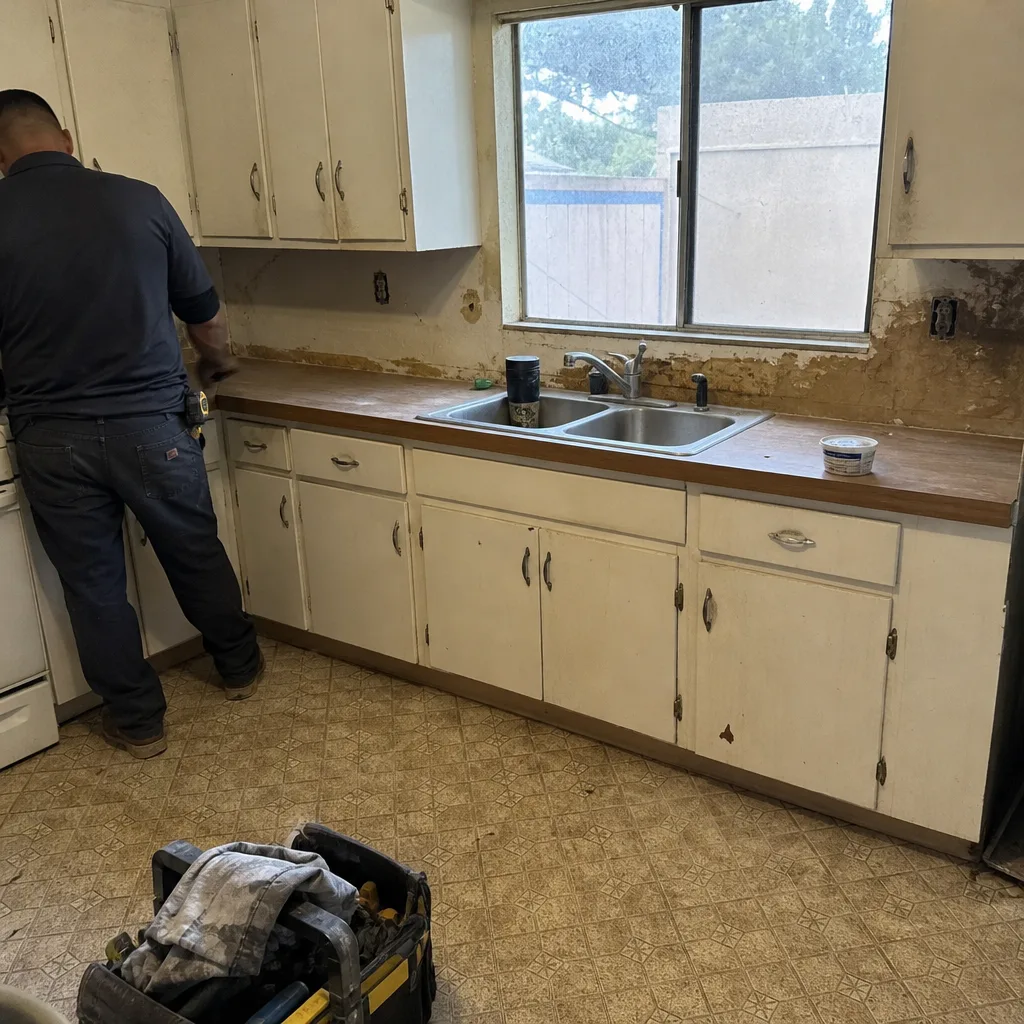 Before
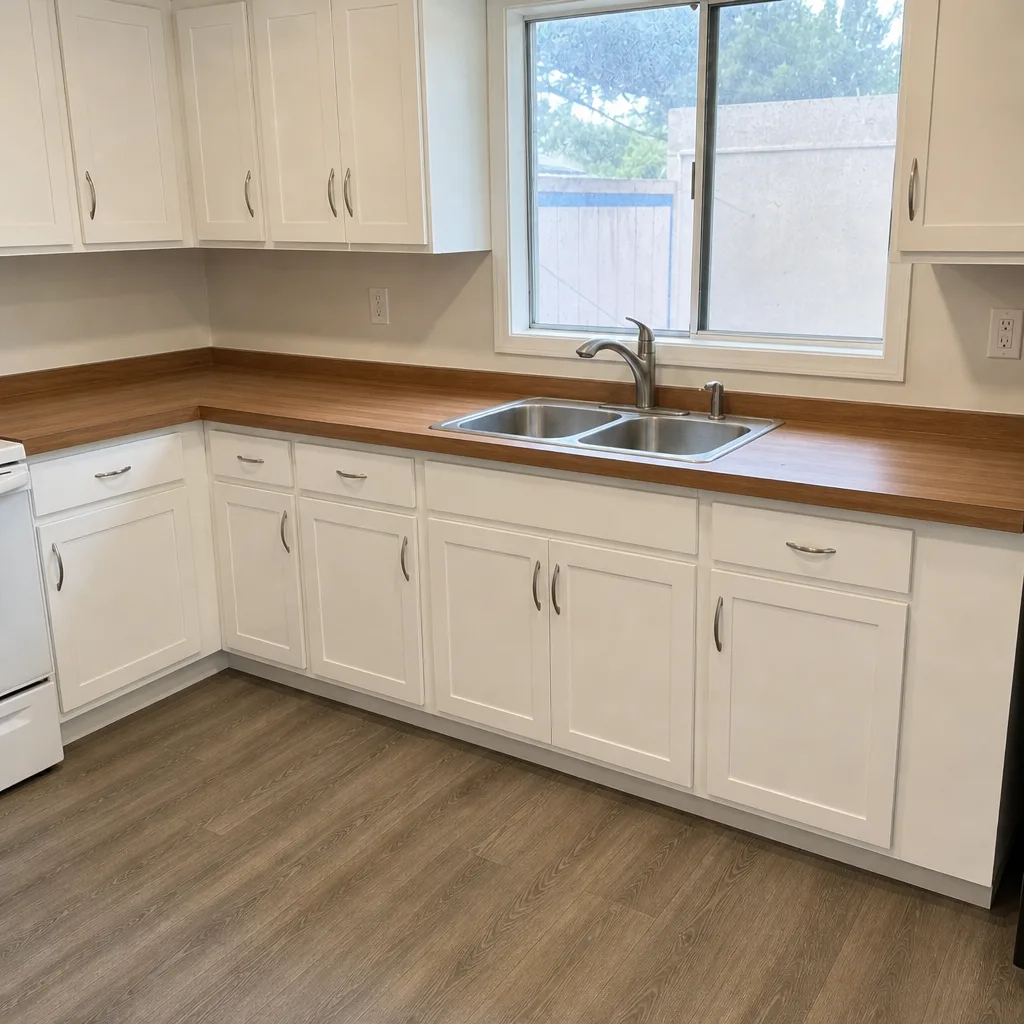 After
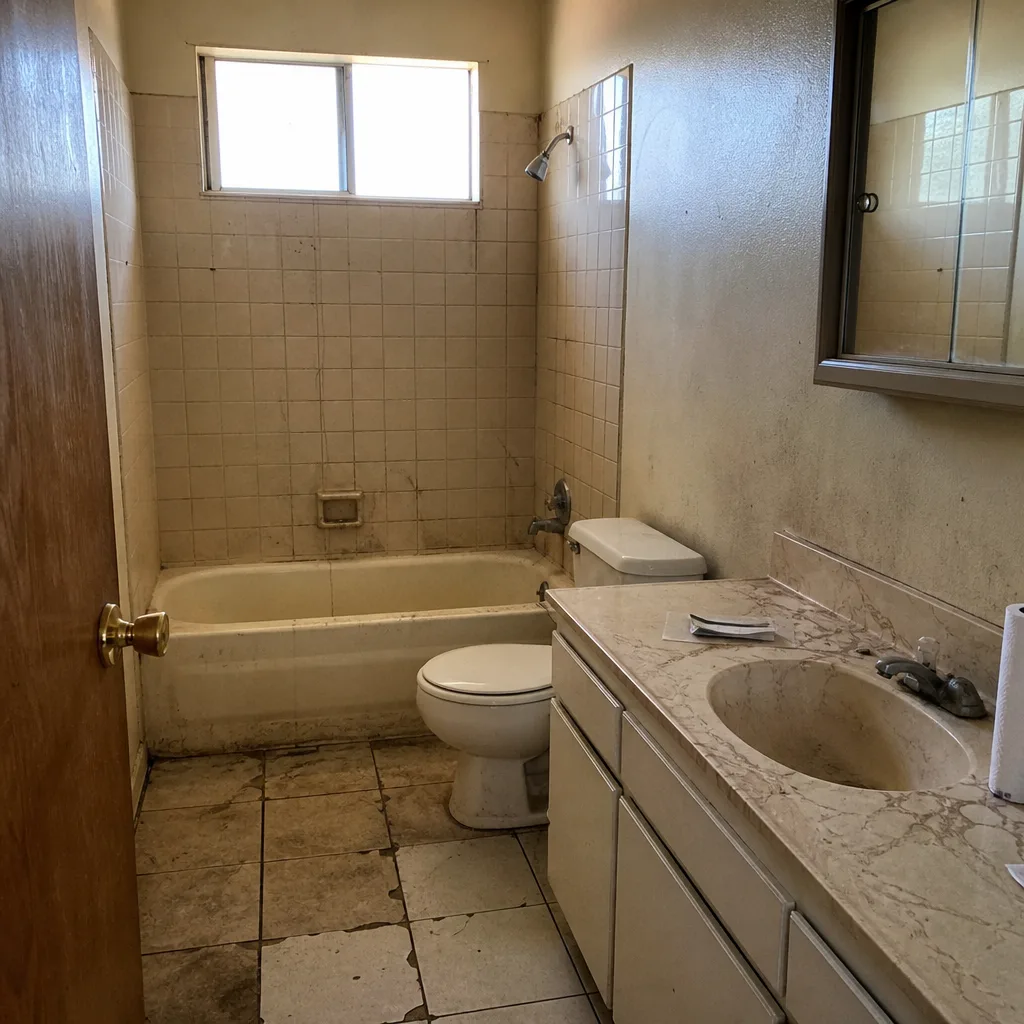 Before
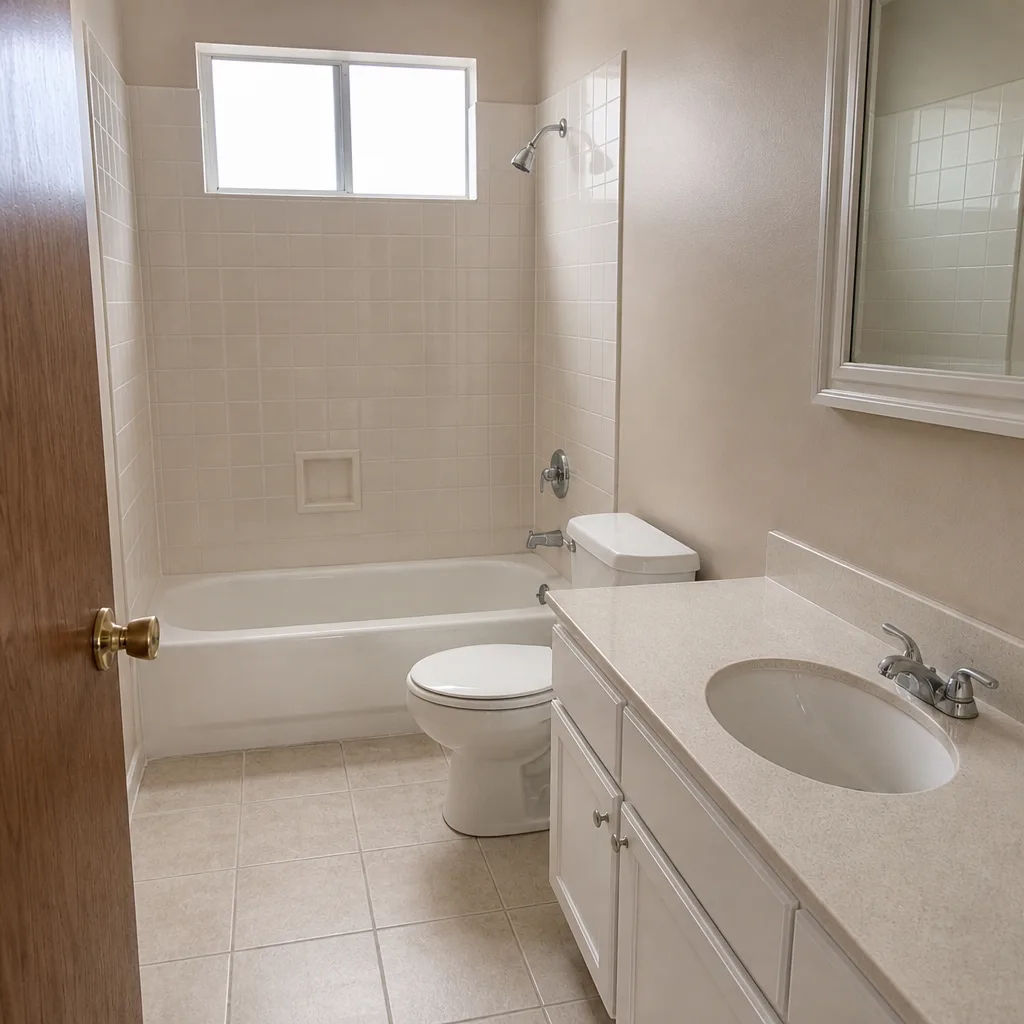 After
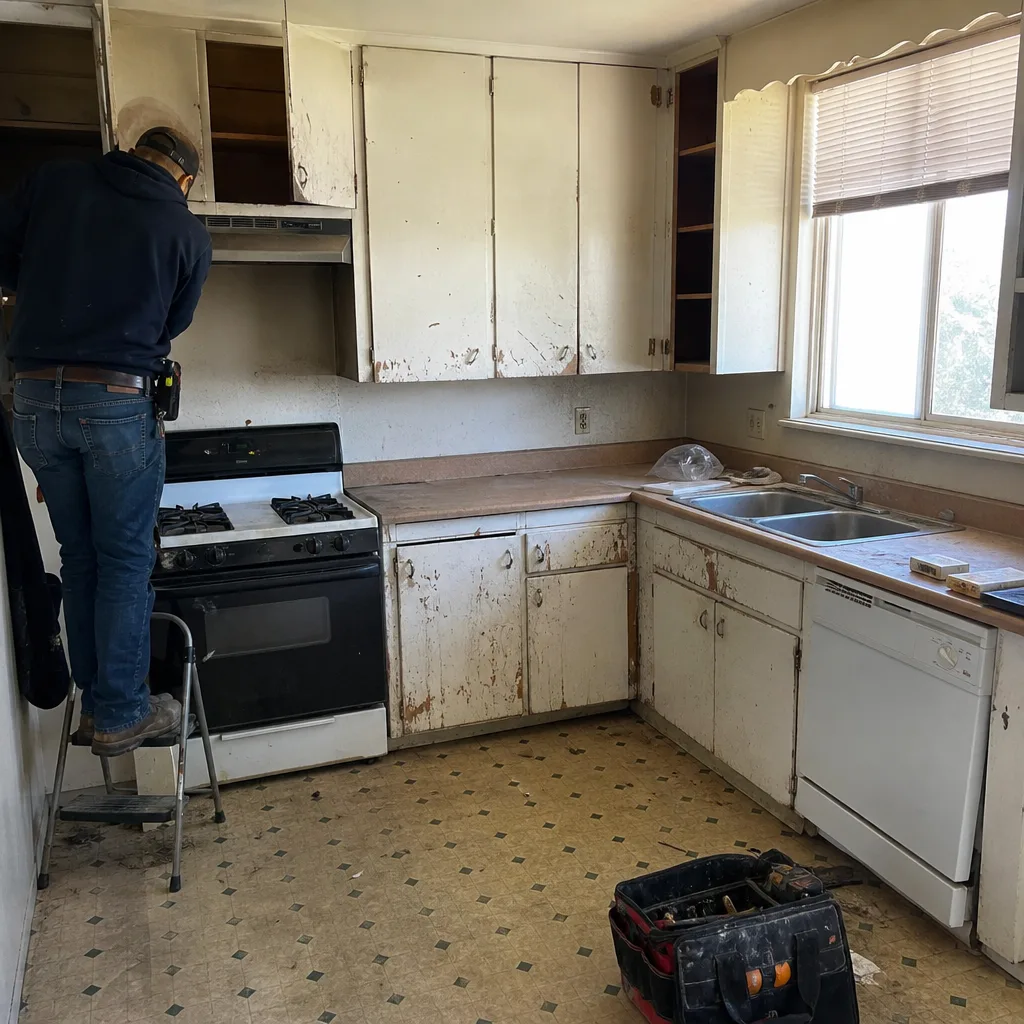 Before
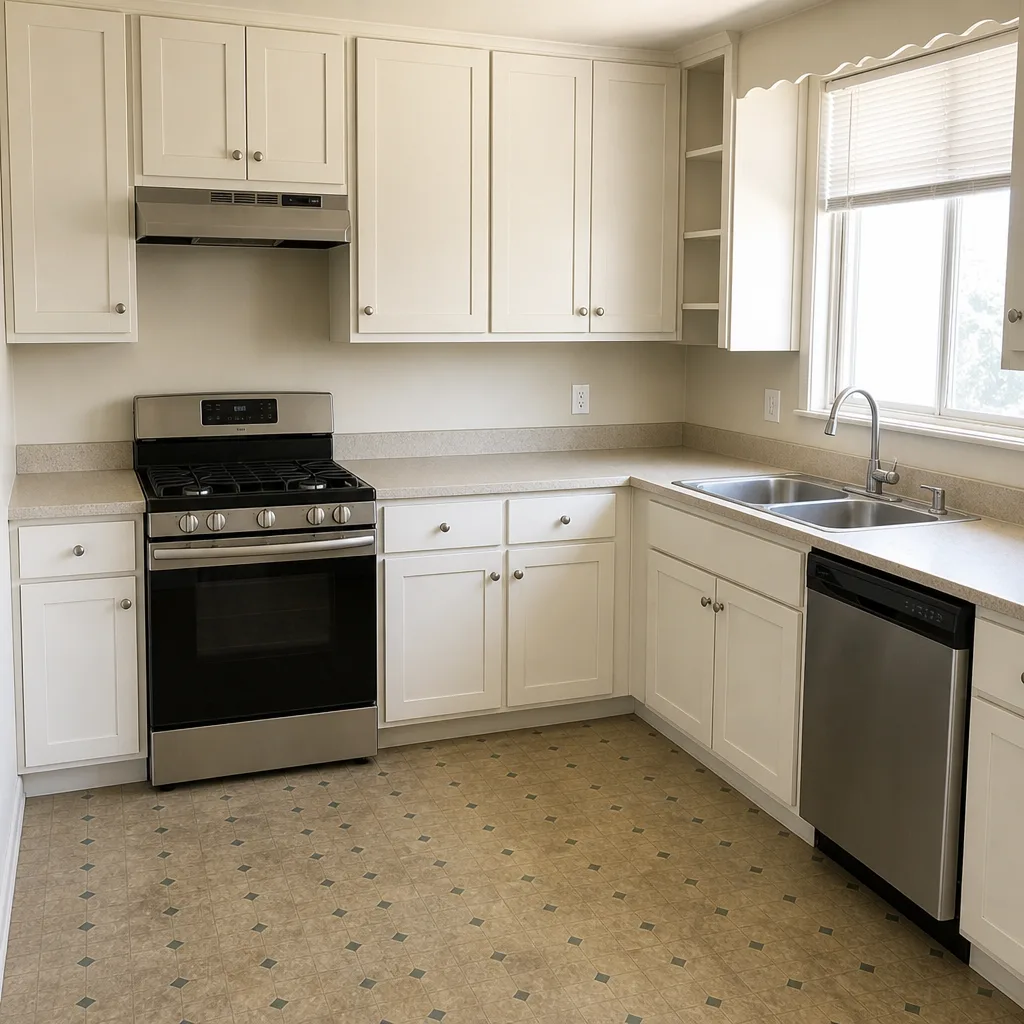 After
When to Call a Professional
Call a professional before you sign, not after. Palmdale’s high desert conditions require specific material and structural knowledge that only comes from building here, and the cost of getting that wrong is far higher than the cost of getting the estimate right. If your project touches structure, roofing, windows, electrical, plumbing or anything that needs a permit, the DIY path is off the table – hire a licensed contractor and treat the vetting steps above as non-negotiable. If you’re planning a multi-phase project, get a contractor who can handle the whole sequence under a single contract, so you’re not coordinating multiple trades and multiple warranty lines. If you’re planning an accessory dwelling, get one who has built both site-built and prefab – see Construction Palmdale for the project categories we handle end to end. Construction Palmdale offers free estimates in Palmdale – call (844) 320-6596.
Frequently Asked Questions
Look up the contractor’s license number on the CSLB website to confirm the license is active and the classification covers your project type. Then pull their permit history through the City of Palmdale’s building department public records portal to see how much, and what kind of, work they’ve actually permitted in this jurisdiction. Call (844) 320-6596 for an exact quote – estimates are free.
Your contract should name material brands and product lines, reference the jurisdiction-specific codes for your project, spell out who pulls the permit and who pays for inspections, and tie payments to inspection milestones. A contract that doesn’t include all four things is missing the pieces that protect you. Ask any contractor to put these in writing before signing, and call (844) 320-6596 to see how a written estimate should be structured.
Because Palmdale’s conditions – caliche soils, high-wind exposure and extreme UV and heat – change how projects are specified and built. A contractor licensed in a milder climate can build here, but if they’ve never dealt with caliche during footing excavation or specified materials for 115°F roof deck temperatures, their estimate can understate scope. Call (844) 320-6596 for an exact quote from a contractor who works this ground.
No. Any quote issued without a site visit has priced a project that hasn’t been seen yet, and site conditions (soil, wind exposure, existing structure) can change the scope significantly. Always insist on an in-person estimate, and don’t accept a bid that’s been priced from photographs. Call (844) 320-6596 for a free on-site estimate.
Compare line items side by side, not totals. Break each bid into trades and phases, then compare brands, permit responsibility, inspection terms and payment schedules line by line. The lowest total is usually the one that left something out. Call (844) 320-6596 to see a line-item estimate and understand what a complete bid looks like.
Yes, and it’s often the better arrangement on multi-phase projects. Using one contractor across roofing, pavers, fences and interior work means consistent material choices, a single warranty contact and one accountable point of contact if something goes wrong. Construction Palmdale handles seven project categories under one contract. Call (844) 320-6596 for a free estimate.
The Bottom Line
Hiring a construction contractor in Palmdale is a five-part process: verify the license classification, vet for high desert experience, read the permit history, insist on a brand-specific contract, and compare line-item bids. The first three are where most homeowners fall short, and they’re the three that catch the licensed-but-locally-inexperienced contractors who’ve come in with Palmdale’s recent growth. Do all five, and you’re not just hiring on price – you’re hiring on proven capability. For projects that span multiple phases or trades, hire one contractor who can carry the whole sequence. Free estimates, written line-item quotes, and a team that will show you the options without the sales pressure: call (844) 320-6596. We answer 24/7. Fast dispatch from 7am to 7pm, Sunday through Friday.
Written by the team at Construction Palmdale.