
Last updated November 16, 2026
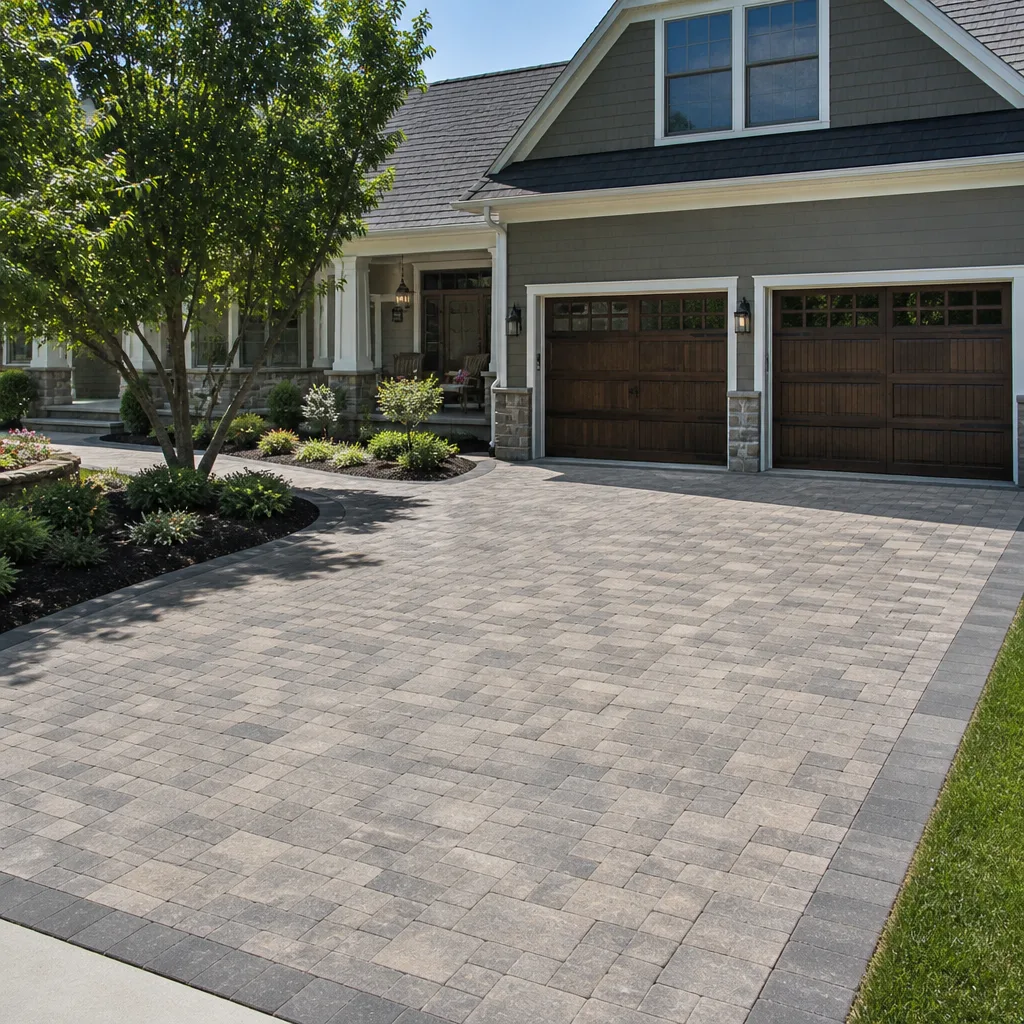 Driveway & pavers
 Kitchen remodeling
 Bathroom remodeling
 Home additions & ADU
 Roofing
 Windows & doors
 Fence
Free written scope consultation - allowances, timeline, and change-order rules on paper before a single trade is scheduled
Driveway & Pavers Maintenance Checklist for Palmdale Homeowners
Most pavers that fail early in Palmdale didn’t fail because of bad installation. They failed because the owner was running a maintenance schedule written for a different climate. Generic paver-care advice assumes moderate temperatures, regular rain, and neutral soil. Palmdale gives you the opposite: intense high-desert sun, an alkaline soil profile that pushes mineral salts up through the bedding sand, and real winter temperature swings at the higher elevations around town. A paver surface that would coast for 25 years near the coast can show joint erosion, chalky efflorescence, and surface spalling in under a decade here if the upkeep ignores those three pressures. This checklist is built around them. You’ll get the seasonal timing for re-sanding, how to pick a sealer that survives the sun instead of melting into a sticky film, how to check for sub-base movement before it turns into a full tear-out, and how concrete pavers from Belgard or Pavestone behave compared with natural stone under Palmdale’s thermal load.
Quick Answer
Maintain a Palmdale paver driveway by re-sanding the joints ahead of the winter temperature swings rather than on the calendar, sealing with a UV-stable product every few years, and washing with a slightly acidic cleaner matched to local alkaline water and soil. Check the bedding layer and base annually for heave, because caliche and reactive soil cause more paver failures in Palmdale than traffic ever does. The core rule: time your work to the climate, not the calendar quarter.
Styles & brands we work with
- Kitchen remodeling
- Bathroom remodeling
- Home additions & ADU
- Roofing
- Windows & doors
- Driveway & pavers
- Fence
Table of Contents
- Why Palmdale Driveways Wear Differently
- Efflorescence, Alkaline Soil, and Cleaning the Right Way
- How and When to Re-Sand Paver Joints in Palmdale
- Choosing a UV-Stable Sealer for High-Desert Sun
- Inspecting the Sub-Base for Caliche Heave
- Concrete Pavers vs. Natural Stone in Palmdale Heat
- Seasonal Maintenance Calendar
- Concrete and Stamped Driveway Care
- Common Mistakes to Avoid
- When to Call a Professional
Why Palmdale Driveways Wear Differently
Palmdale sits in the high desert of the Antelope Valley, and that single geographic fact reshapes everything about how a driveway ages. Three stressors do most of the damage, and they all attack at once.
Solar intensity. The valley gets a serious daily dose of sun and UV. Sealer films, color, and even the surface of the pavers themselves take a beating that a shadier, cooler region never delivers. UV breaks down the polymer chains in a cheap acrylic sealer, and that breakdown is what turns a once-clear coating into a cloudy, tacky layer within a single summer.
Alkaline soil and water. The soil and the water in and around Palmdale run alkaline. As moisture moves through the sand-set joints and bedding layer, dissolved mineral salts migrate to the surface and dry as a white, powdery crust. That crust is efflorescence, and it’s the most common cosmetic complaint we hear on pavers in Palmdale.
Winter temperature swings. The Antelope Valley is not the coast. Nights in the cooler months can drop well below freezing while the afternoon warms up, and repeated warm-cool cycling moves sand out of joints and stresses the edges of concrete and stone. A coastal maintenance plan that never thinks about that cycle is the wrong plan for here.
Add wind-driven grit and dust, which acts like a slow abrasive on the paver surface and in the joints, and you have a driveway that quietly ages faster than the same product installed elsewhere. None of this means pavers are the wrong choice in Palmdale. It means the upkeep has to answer to local conditions, and that’s what the rest of this checklist covers.
Efflorescence, Alkaline Soil, and Cleaning the Right Way
Efflorescence is the white, chalky bloom that appears on pavers, and in Palmdale it comes back faster than in almost any other market because the soil and water are alkaline. The salt in the ground and the salt in the irrigation supply both feed it. The trap is that the wrong cleaner can make efflorescence worse instead of better, and a lot of the products sold as general driveway cleaners are the wrong cleaner.
Here’s the mechanism, because understanding it saves you money. Efflorescence is water-soluble mineral salt that has wicked up through the pavers and dried on the surface. To remove it, you have to dissolve that salt without driving more moisture and more salt deeper into the base. Harsh pressure washing is the worst thing you can do. It forces water into the joints and bedding sand, which pushes more salts up and blows out the very sand that holds the pavers in place.
What actually works for efflorescence in Palmdale:
- Use a slightly acidic cleaner. Acid dissolves the alkaline salt crust. A product formulated specifically for efflorescence, or a diluted masonry cleaner, is the right tool. General-purpose alkaline or “heavy-duty” degreasers sit on the wrong side of the chemistry and won’t touch the bloom.
- Wait for a dry stretch. Applying a cleaner and then getting the paver soaked by irrigation keeps the cycle going. Clean during a dry spell and hold back the sprinklers for a couple of days.
- Keep pressure low. A gentle rinse is enough to carry away the dissolved salt. High pressure at the surface is what causes damage.
- Fix the source, not just the bloom. If irrigation oversprays the driveway or water pools at the edge, you’ll be fighting efflorescence forever. Redirect water away from the pavers and let them drain.
One more note for Palmdale: sealed pavers resist efflorescence better than unsealed ones because the sealer slows the moisture migration that carries the salt. But a failing sealer that’s flaking or sticky can trap moisture underneath and make the bloom concentrate where it can’t escape. If your sealer is tired, strip and reseal rather than adding another coat on top.
How and When to Re-Sand Paver Joints in Palmdale
The joint sand is what locks a paver system together. It transmits load from paver to paver, keeps water from running straight down into the base, and stops the pavers from shifting. When joint sand erodes, pavers loosen, edges chip, and weeds find their way in. In Palmdale, the joints lose sand faster than the calendar suggests, so timing matters more than the quarter of the year.
The right timing is tied to the temperature cycle, not the season label. The months with the biggest swing between a freezing night and a warm afternoon are when joints move the most and sand migrates out. Get ahead of that cycle. Re-sand ahead of the cooler months so the joints are full and tight when the freeze-thaw swing is doing its work, and check again after the last of the cold nights pass. Waiting until spring to notice bare joints means you’ve already paid winter’s price.
How to re-sand a Palmdale driveway, step by step:
- Clean the joints. Sweep out loose grit, dirt, and old sand, and pull any weeds. The joint has to be clean for new sand to lock in. A dry, clean joint is the whole game.
- Check for loose pavers first. If any pavers rock or sit lower than their neighbors, re-sanding won’t fix that. Pull those, correct the bedding, and reset them before you add sand.
- Choose polymeric or stabilized joint sand. In Palmdale’s wind and temperature swings, a stabilized or polymeric sand that firms up when it sets holds better than plain washed sand. It resists wind scour and stays put through the dry season.
- Spread and sweep in. Pour sand over the surface and work it into the joints with a broom, in multiple passes. Don’t overfill; the sand should settle just below the paver surface, not sit in a mound above it.
- Compact and settle. A plate compactor run over the surface helps the sand settle into the joints. If you’re using polymeric sand, follow the product’s own activation instructions exactly. The wrong amount of water at this stage ruins the whole joint.
- Sweep off the excess and keep the surface dry. Once the joints are set, sweep the field clean and keep heavy traffic off until the sand has cured.
For a typical Palmdale residential driveway, the joint sand should be topped up when you can see bare or sunken joints across a meaningful stretch of the surface. If only a few isolated joints have opened up, spot-fill those instead of doing the whole thing. Spot work keeps the cost and effort proportional to the wear.
Choosing a UV-Stable Sealer for High-Desert Sun
Sealer is where more Palmdale paver investments are ruined than anywhere else, and it’s almost always a product-selection problem. The wrong sealer does fine for a while and then degrades under the valley’s solar intensity into a cloudy, tacky film that traps dirt and has to be stripped and redone. Picking the right product up front saves that whole cycle.
What to look for:
- UV-stable, not just “clear.” Clear isn’t a measure of durability. A sealer has to be formulated to resist UV breakdown over years of exposure, not months. Look explicitly for UV-stabilized chemistry.
- Breathable. The sealer needs to let moisture vapor escape. A film-forming sealer that traps moisture underneath will trap efflorescence and salt under the film, causing the coating to lift and peel. Breathable, penetrating or semi-penetrating products suit the alkaline and moisture-migration behavior of Palmdale pavers better than a heavy surface film.
- Acrylic vs. penetrating, matched to use. High-solids acrylics give a visible sheen and can be fine when applied correctly and topped up on schedule, but they degrade fast under high sun if they’re the wrong formulation. Penetrating sealers don’t create a film to peel and are more forgiving in extreme sun. For Palmdale, lean toward UV-stable products and away from anything with a reputation for going tacky in summer heat.
- Time the application to the dry season. Apply sealer on dry, settled pavers, ahead of winter, so the winter temperature swings meet a protected surface. Applying into wet pavers traps moisture and guarantees trouble.
How often should you reseal? There’s no single answer that fits every product or every yard. A UV-stable sealer in Palmdale usually needs attention every few years rather than every year, and the correct interval depends on the specific product and how much sun the driveway gets. Check the surface each year: when water stops beading, when the finish goes dull or chalky, or when the sealer starts to look uneven, it’s time to think about stripping and resealing. Never stack a fresh coat over a failed one. Strip it back to clean paver surface first, or the new coat fails on top of the old.
Inspecting the Sub-Base for Caliche Heave
A paver driveway is only as good as the base underneath it. In Palmdale, the base is the part most likely to betray you, because the local soils can contain caliche: a hard, cemented layer of calcium carbonate that forms in dry-climate soils. Caliche itself is stubborn, and soils that move or swell with moisture changes can heave a sub-base upward. When that happens, the pavers on top telegraph the movement. Catching it early separates a spot repair from a full re-install.
What to inspect, and when:
- Look for the telltale signs. A domed or ridged area, a lip or step between pavers, or a section that rocks when you walk it. Any of these suggests the base has moved.
- Check the edges and drains. The edges of a driveway are where heave usually shows first. If the edge pavers have lifted or the drainage line has shifted, the base is telling you something.
- Walk it and listen. Loose, hollow-sounding pavers underfoot are a clue that the bedding or base isn’t dense and stable.
- Inspect annually, and especially after a wet year. In a dry climate, the years that deliver more rain are the years the soil moves most. Check right after the wet season, not only in the dry stretch.
What to do about it. A single localized hump may be fixable by lifting and resetting a small area of pavers and correcting the bedding sand and base under them. But if heave runs across a wide section, or if the base itself is a caliche or expansive-soil problem, patching won’t hold. This is the point where doing it right beats doing it twice. If you’re seeing movement across more than an isolated patch, a professional assessment of the base underlay is worth the visit before you spend money on sand and sealer that won’t solve the real issue. Planning the repair together with the rest of your exterior work (a rotted section of fence, siding, or a worn roof edge) is one advantage of working across those trades with a single contractor, so the whole envelope gets fixed on the same timeline instead of in piecemeal visits.
Concrete Pavers vs. Natural Stone in Palmdale Heat
The two main paver families behave differently under Palmdale’s thermal load, and knowing the difference changes how you maintain them. Concrete pavers from manufacturers like Belgard and Pavestone are engineered products with consistent color, tight dimensional tolerances, and a factory surface. Natural stone responds to heat, moisture, and salt in its own way, and some stone types weather differently than concrete under the same conditions.
Concrete pavers (Belgard, Pavestone)
- Consistent, predictable wear. Manufactured pavers hold their color and shape under UV well, and their tight fit means the joints lock up predictably when fully sanded. Re-sanding is your main upkeep.
- Efflorescence happens. Concrete pavers are susceptible to the same alkaline-salt bloom as anything else in Palmdale. A slightly acidic cleaner matched to the product, applied on a dry day, handles it.
- Surface spalling risk if sealed badly. A sealing product applied over moisture, or a cheap film sealer that breaks down, can trap moisture and cause surface flaking. Shade and edge pavers, which get less sun and more moisture, are the first to show it.
- Easy to match when replacing. Because the color and size are consistent across the product line, replacing a damaged paver is straightforward. Keep a handful of spares from the original install.
Natural stone
- Thermal movement is real. Stone is dense and moves with temperature swings. In the Antelope Valley, stone can expand and contract a bit differently than concrete, and joints can open slightly more. Keep those joints full and you’ll avoid stone edges chipping against each other.
- Sealer choice is more critical. Some stone is porous and absorbs differently than concrete. A UV-stable, breathable sealer matters most here, because a stone that traps moisture under a film sealer will show it.
- Finish matters. A honed or tumbled stone hides the light scuffing and dust better than a polished surface, which is worth knowing for the gritty Palmdale conditions.
- Color variance is a feature. Natural stone’s variation means a small repair blends in more subtly than a concrete-paver patch, as long as you source the same stone.
Neither family is maintenance-free. The difference is in the details: concrete pavers demand disciplined joint re-sanding and correct cleaning, while natural stone rewards a closer eye on sealer and thermal joint movement. If you’re planning new hardscape rather than maintaining existing, we work with a deep catalog of paver brands in driveway & pavers work, so you can compare concrete options like Belgard against natural stone on looks, cost, and upkeep before committing.
Seasonal Maintenance Calendar
Palmdale’s calendar doesn’t divide neatly into four equal maintenance seasons, so instead of a generic quarterly chart, build your year around the temperature swing. The general shape looks like this:
- Ahead of the cooler months: Re-sand joints so they’re full and tight before the winter temperature swings begin. Check the sub-base edges for movement. Apply or refresh a UV-stable sealer on dry pavers. Clear any drainage lines and redirect irrigation away from the driveway.
- During the cold stretch: Keep an eye on joints after the coldest nights. Never pressure-wash frozen or very cold pavers, and don’t apply sealer in cold conditions. If water pools and freezes on the surface, address the drainage.
- As the weather warms: Inspect for winter joint loss and top up as needed. Check for efflorescence bloom and clean with a slightly acidic cleaner. Confirm the sealer still beads.
- Through the hot, dry months: Reduce irrigation overspray onto the pavers, since wet-then-hot cycles speed salt bloom and joint loss. Spot-clean efflorescence as it appears. Avoid sealing in peak heat if the product’s instructions warn against it.
- After a wet year: Do the full sub-base inspection. Rain years are when the ground moves most in Palmdale, and a check now catches heave before it costs a re-install.
The exact dates shift with the weather, but the sequence doesn’t: get the joints and sealer ready before the cold, check hard after it, then manage the efflorescence and watering through the dry months. The rest of the year, keep the driveway clean and clear so you can see problems while they’re still small.
Concrete and Stamped Driveway Care
Not every Palmdale driveway is paver-based. A lot of them are poured concrete or stamped concrete, and the care differs in ways that matter under the local stressors. Concrete cracks; stamped concrete can spall along the surface under bad sealing or thermal stress; and both are attacked by UV and alkaline conditions.
What concrete driveway upkeep involves here:
- Keep cracks sealed. Sealing hairline cracks before water gets in and freezes is the main defense. In Palmdale’s temperature swings, water that gets into a crack through the winter does the real damage. Repair cracks in the dry stretch, ahead of the cold.
- Watch for spalling. Flaking at the surface usually traces back to a sealing or moisture problem, or to de-icing salts. In this climate, avoid the aggressive de-icing salts that attack concrete; use sand or grit for traction instead.
- Reseal stamped concrete on a UV-stable schedule. Stamped concrete depends on a decorative sealer for both protection and look. That sealer degrades under the sun just like a paver sealer, so treat the reseal interval the same way and pick a UV-stable product.
- Manage the water. Direct downspouts and irrigation away from the slab edges. Pooling water at the edge of a concrete driveway is what undermines the base underneath it.
The same alkaline water that causes paver efflorescence can leave mineral staining on concrete, so a slightly acidic cleaner matched to the surface is useful here too. Inspect and reseal on the same seasonal rhythm as your pavers, and you’ll keep both looking and performing better through Palmdale’s extremes.
Common Mistakes to Avoid
- Blasting the driveway with a pressure washer. High pressure drives water into the joints and bedding, pushes out the sand, and triggers more efflorescence. Use low pressure and let chemistry do the work.
- Reaching for an alkaline general cleaner for white bloom. Efflorescence is an alkaline salt crust. An alkaline cleaner won’t dissolve it, and can make the surface stain. Use a slightly acidic cleaner formulated for the job.
- Re-sanding on the calendar instead of the temperature cycle. In Palmdale, getting ahead of the cooler months is what protects the joints. Waiting for spring inspection to trigger re-sanding means winter already opened them up.
- Applying a cheap film sealer under the high sun. A non-UV-stable, film-forming product degrades into a tacky, cloudy mess within a summer, then traps moisture and salt. Strip and reseal with a UV-stable, breathable product instead.
- Sealing over wet or dirty pavers. Moisture under a sealer is the single biggest cause of surface spalling and peeling. Seal only dry, clean, settled pavers.
- Ignoring a heave as “just a bump.” A small dome in the surface usually means the sub-base has moved. Spot-fixing the pavers over unstable ground won’t hold if caliche or swelling soil is the cause.
- Overwatering near the driveway edge. Irrigation overspray keeps the joints and base wet, driving salt up and undermining the edges. Redirect the sprinklers away from the paver surface, especially in the hot dry stretch.
When to Call a Professional
Plenty of Palmdale driveway upkeep is DIY-friendly: sweeping, spot cleaning efflorescence, topping up a few joints, and resealing on a dry weekend are all within reach. The line moves when the problem is under the surface, not on it. Call a professional when:
- Heave, doming, or movement shows across a wide area, not one isolated patch.
- Pavers are rocking underfoot or edges have started to chip and shift.
- Efflorescence keeps returning despite correct cleaning and drainage fixes.
- A failing sealer needs to be stripped and replaced with a proper UV-stable product.
- The base or drainage needs rework to stop the same problem from repeating.
Construction Palmdale offers free estimates in Palmdale. Our technicians have up to 10 years of experience, and we’ll show you the options across concrete and natural stone so you’re choosing materials rather than settling for whatever’s available. We pull the permits where required, and the written estimate sets the final price with no change orders. Call (844) 320-6596 to schedule yours. We answer 24/7. Fast dispatch from 7am to 7pm, Sunday through Friday.
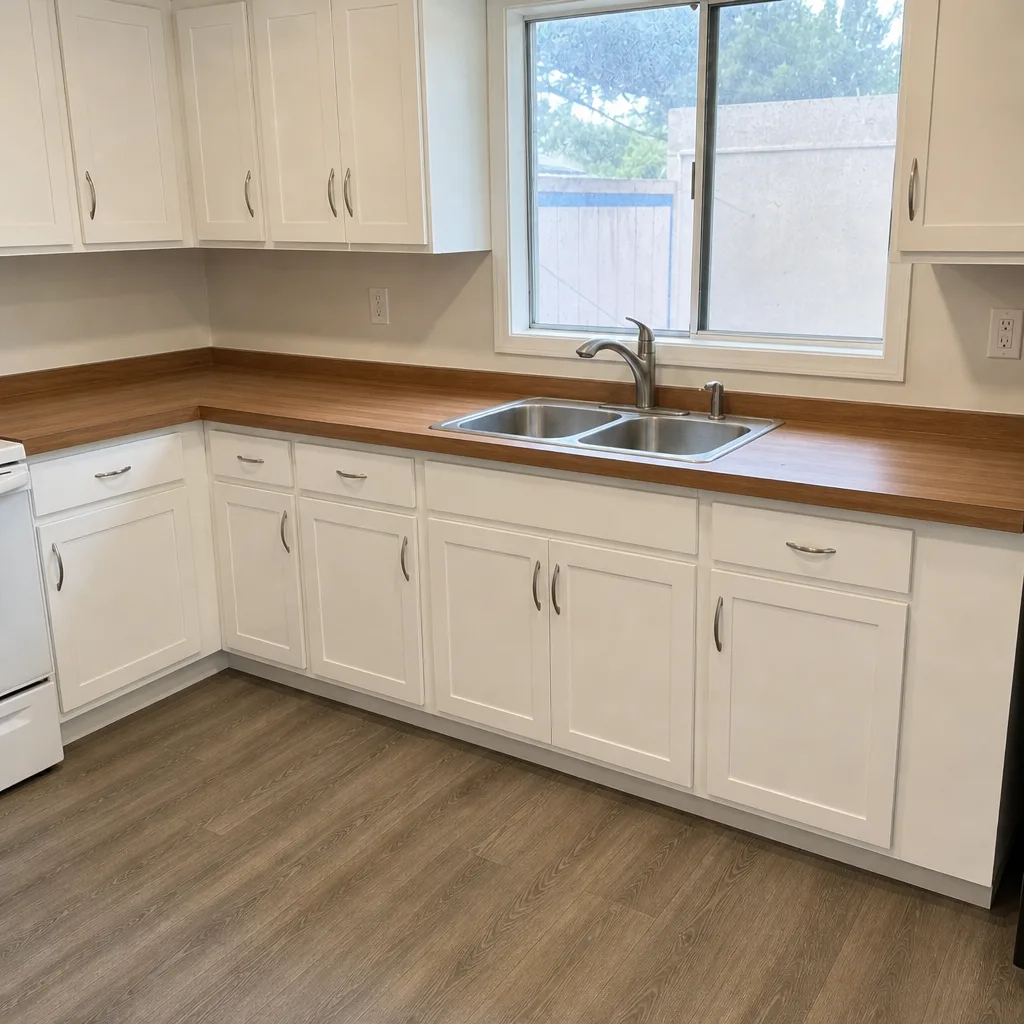
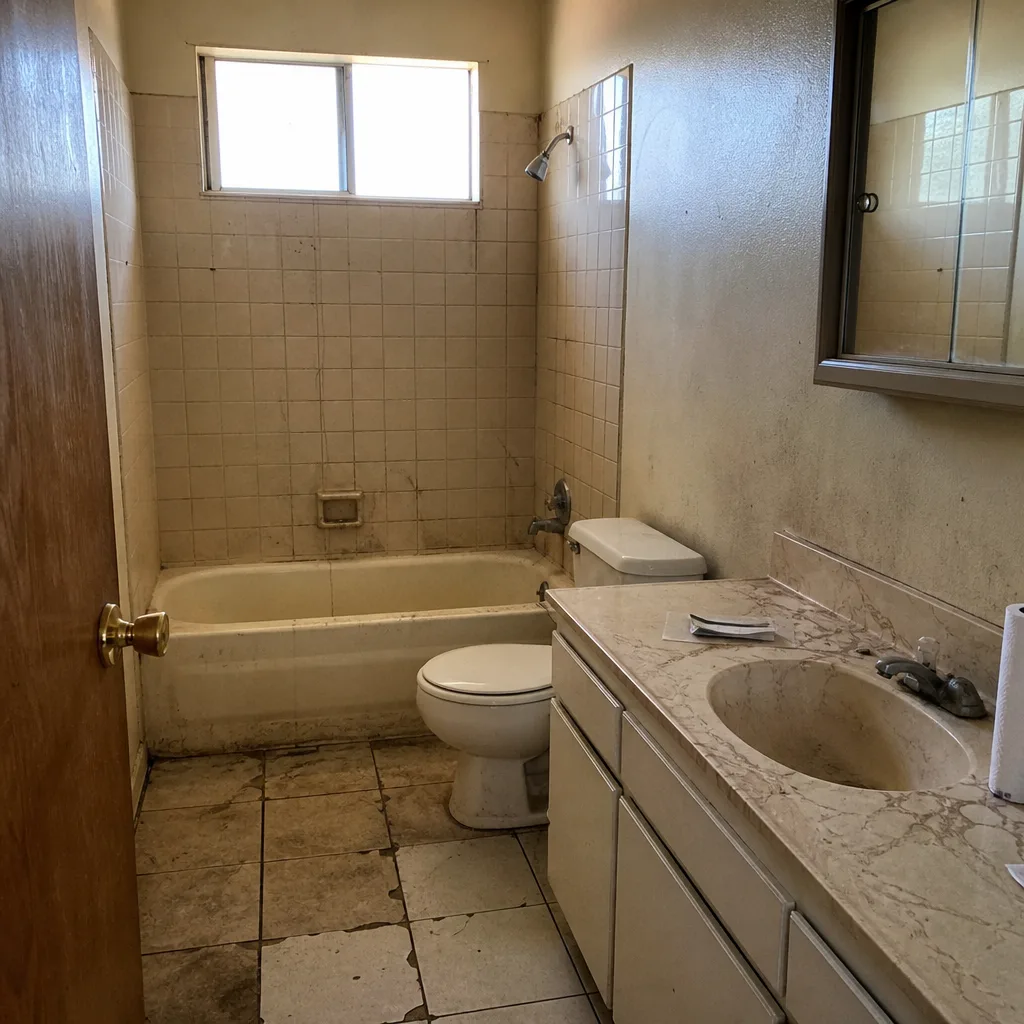
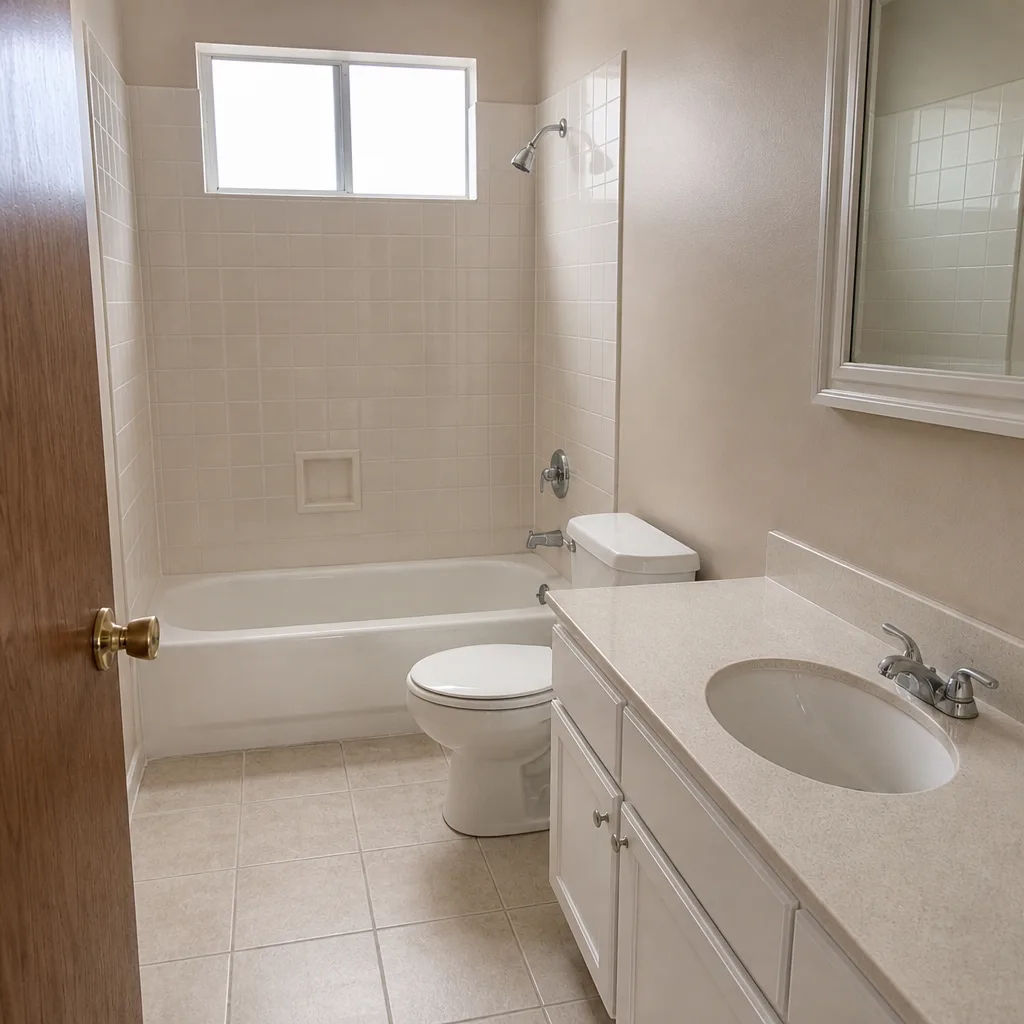
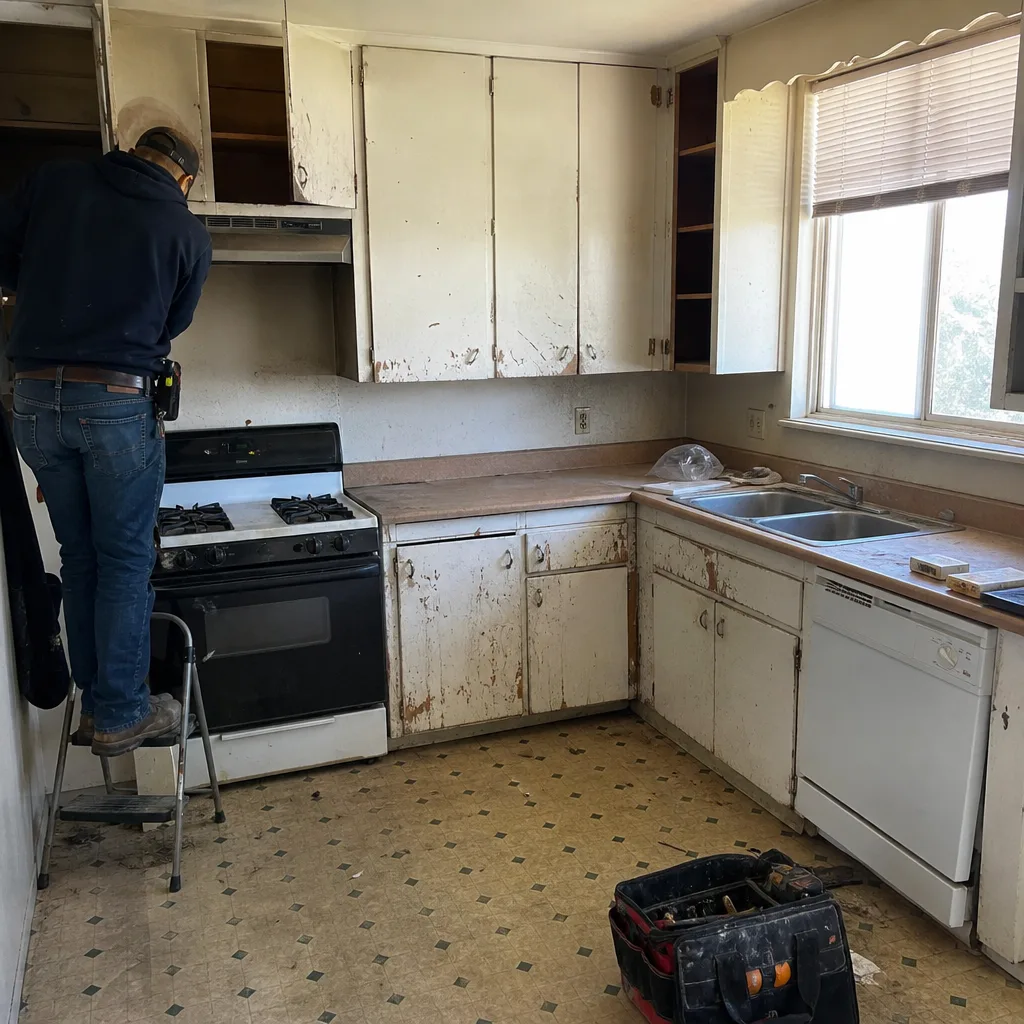
See the difference
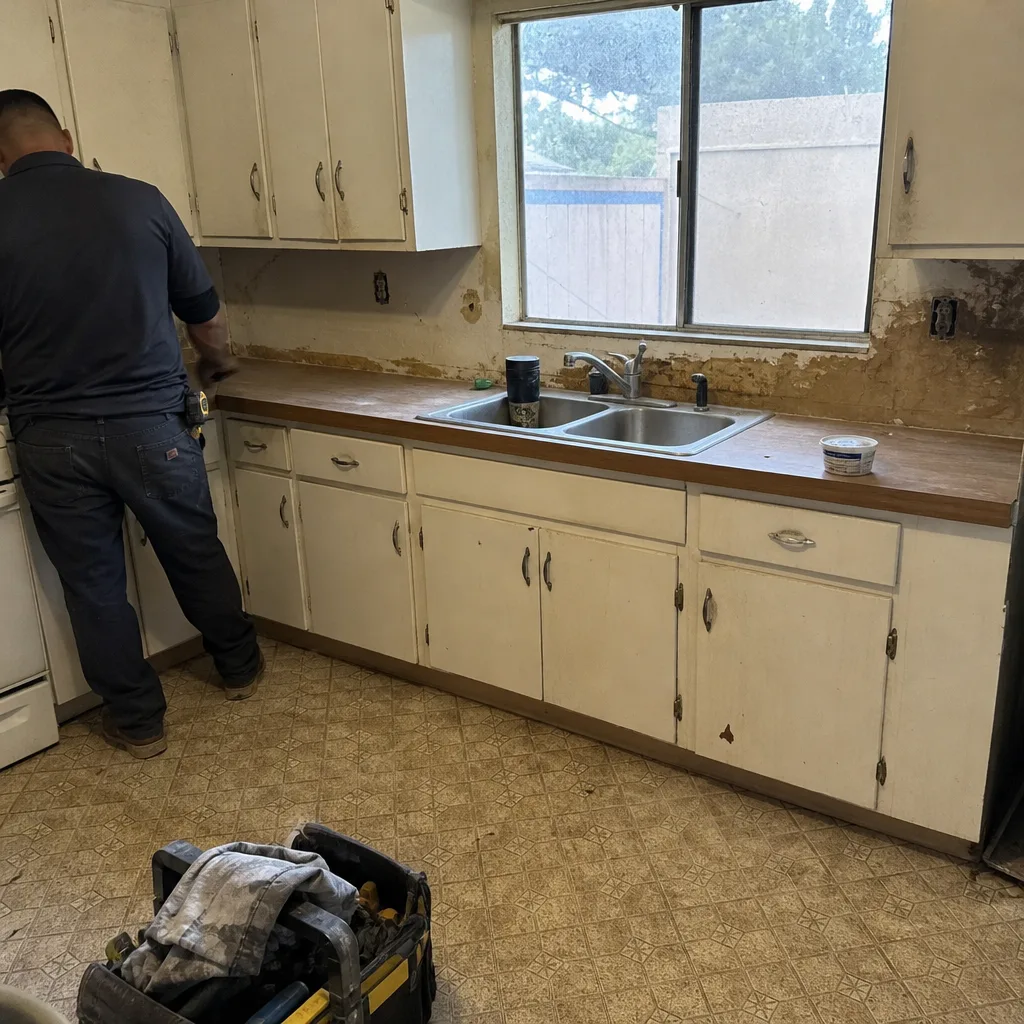 Before
 After
 Before
 After
 Before
 After
Frequently Asked Questions
Check the joints twice a year and top up when you can see bare or sunken joints across a meaningful stretch. In Palmdale, the most important timing is ahead of the cooler months, before the freeze-thaw swing opens the joints, and again once the cold stretch passes. If only a few isolated joints have opened, spot-fill those rather than re-sanding the whole surface. For a professional look at your driveway, call (844) 320-6596 for a free estimate.
That white bloom is efflorescence, and in Palmdale it comes back quickly because the soil and water run alkaline. Mineral salts migrate up through the pavers with moisture and dry on the surface. Clean it with a slightly acidic cleaner, not an alkaline general-purpose one, on a dry day with low pressure. If it keeps returning, the fix is in the drainage and irrigation, not more cleaner. Call (844) 320-6596 for an assessment.
You need a UV-stable sealer, ideally a breathable or penetrating product, applied to dry, clean pavers. That’s what survives the high-desert solar load without degrading into a cloudy film, and it lets moisture escape instead of trapping it. Non-UV-stable film sealers break down within a summer and have to be stripped. Reseal every few years rather than annually, and check whether the sealer still beads each year. Call (844) 320-6596 for advice on the right product for your surface.
Look for doming, a lip between pavers, pavers that rock underfoot, or edges that have lifted. Those signs suggest the base has moved, and in Palmdale that’s often from caliche or swelling soil heaving the underlay. Isolated movement can sometimes be spot-fixed, but wide-area movement usually needs professional base work. Get it evaluated here before you spend on sand and sealer. Call (844) 320-6596 for a free estimate.
Both work well if maintained for the climate, but they behave differently. Concrete pavers from Belgard and Pavestone hold color and dimensions consistently and are easy to re-sand and replace, though they’re susceptible to efflorescence. Natural stone’s dense surface means thermal movement can open joints a bit more, so keeping joints full and choosing a breathable sealer is even more important. We’ll show you the options across both so you can compare. Call (844) 320-6596.
A properly applied UV-stable, breathable sealer slows the moisture migration that carries salt up, so it does help reduce efflorescence. But sealing over a wet or dirty surface, or applying a film sealer that traps moisture, can make the bloom concentrate and the coating fail. Seal dry pavers on a dry day, keep water off the edges, and the sealer will do its job. Call (844) 320-6596 to schedule a free estimate.
The Bottom Line
Palmdale rewards pavers with the right upkeep and punishes them for the wrong upkeep. The three pressures here, high-desert UV, alkaline soil and water, and real winter temperature swings, mean your driveway gets the most out of a maintenance plan that answers those specifics. Time re-sanding to the temperature cycle, not the calendar. Clean efflorescence with a slightly acidic product on a dry day and keep the pressure low. Choose UV-stable, breathable sealers and never stack them over a failed coating. Inspect the sub-base for movement before a bump becomes a re-install. Keep both concrete and pavers on the same seasonal rhythm. Do these and your Pavestone or Belgard surface beats the local failure curve instead of joining it. When you need the work done, we’ll show you the options.
Call (844) 320-6596 for a free estimate. From driveway pavers to the rest of the exterior, we handle the work with single-contractor accountability, and we can plan the driveway repair alongside your fence installation and other curb work so the whole envelope gets done on one timeline. Our technicians have up to 10 years of experience. Estimates are free, and the written line-item quote sets the price. We answer 24/7. Fast dispatch from 7am to 7pm, Sunday through Friday.
Written by the team at Construction Palmdale.