
Last updated November 16, 2026
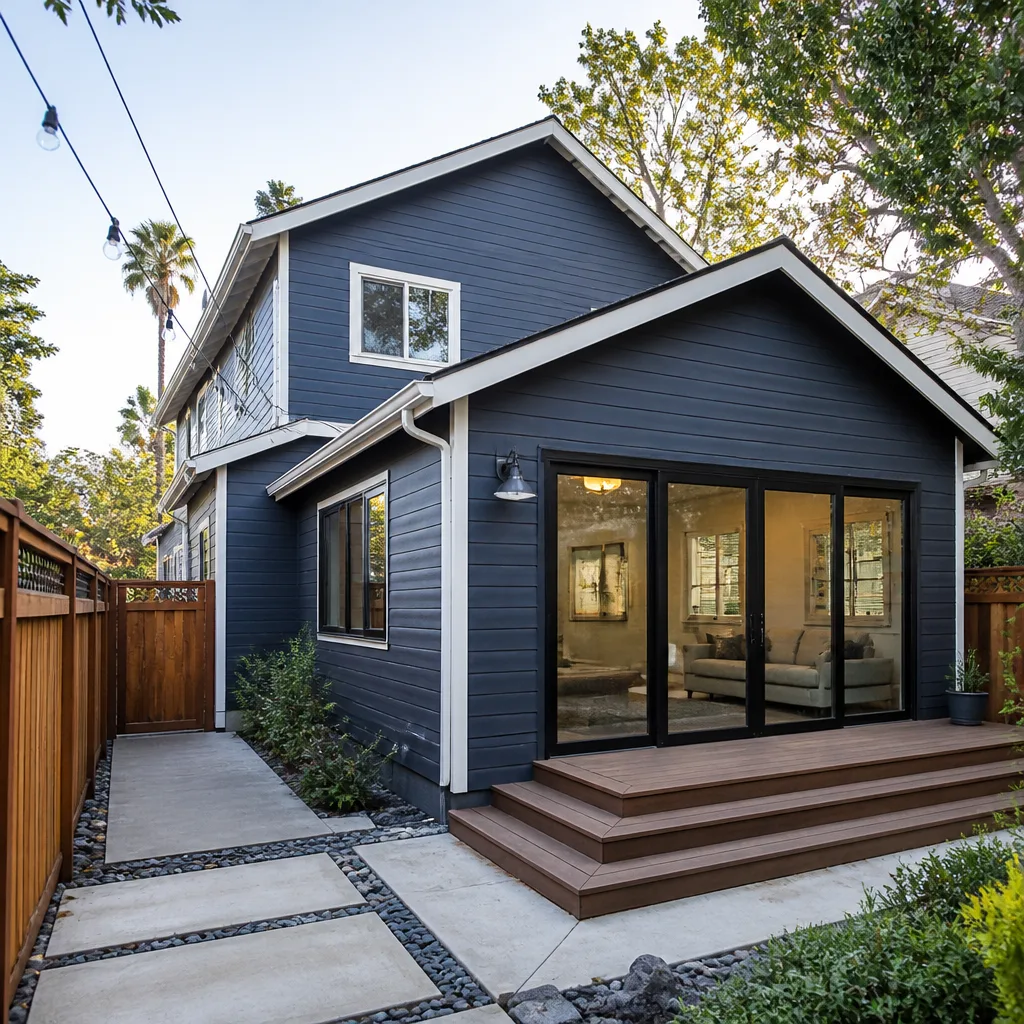 Home additions & ADU
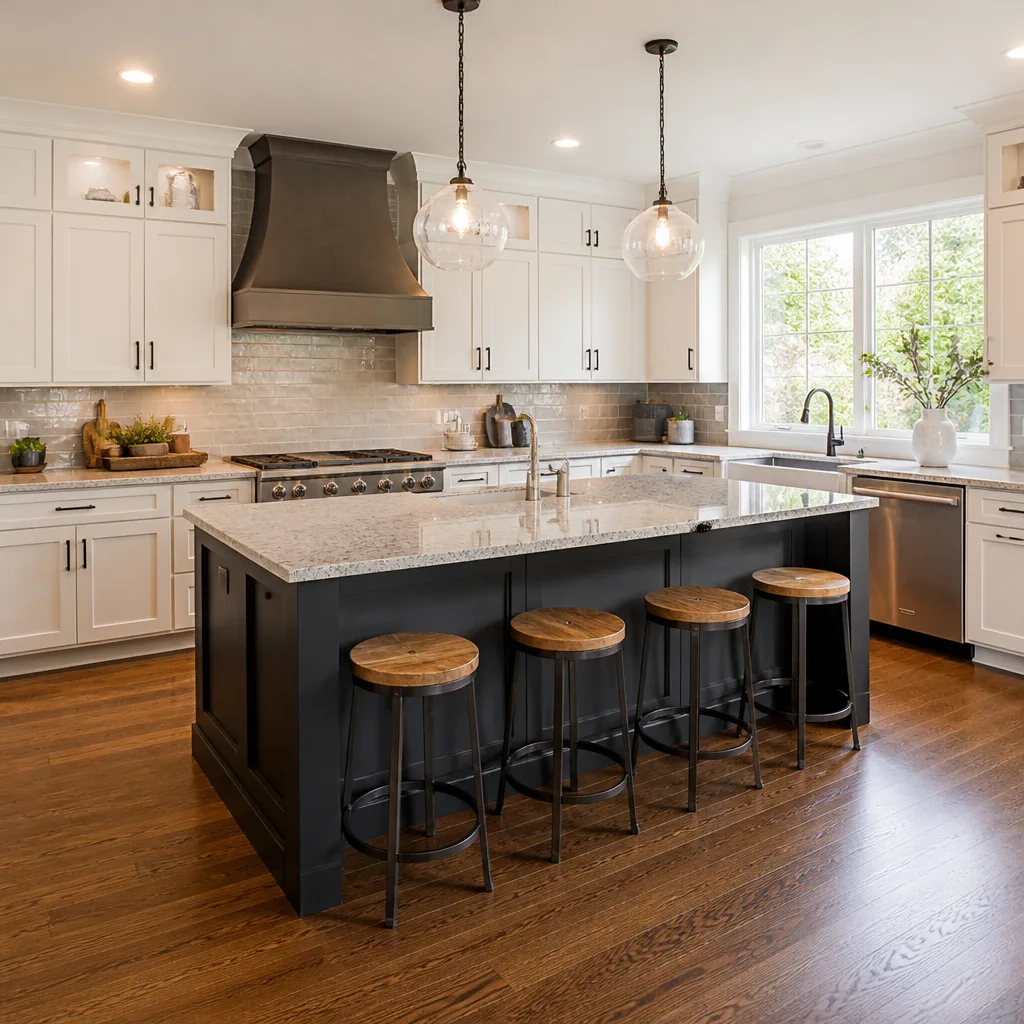 Kitchen remodeling
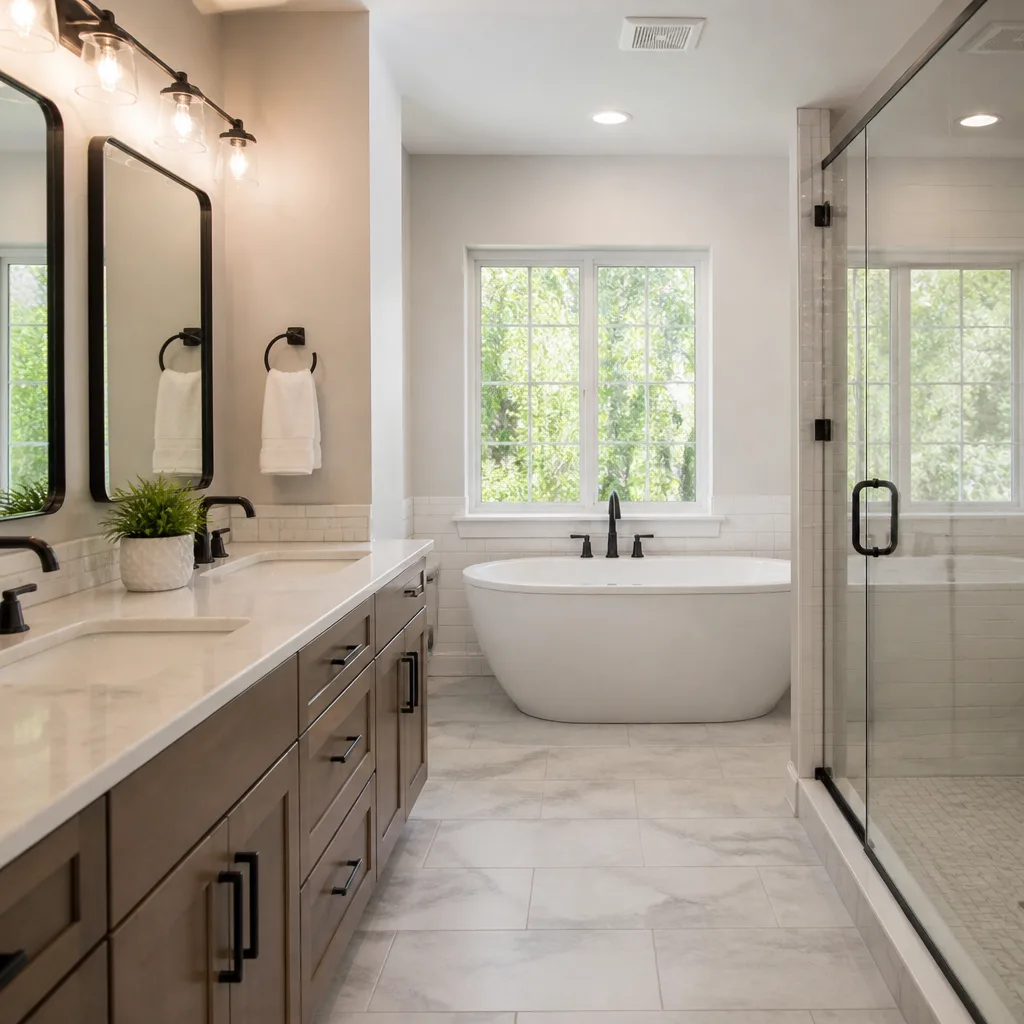 Bathroom remodeling
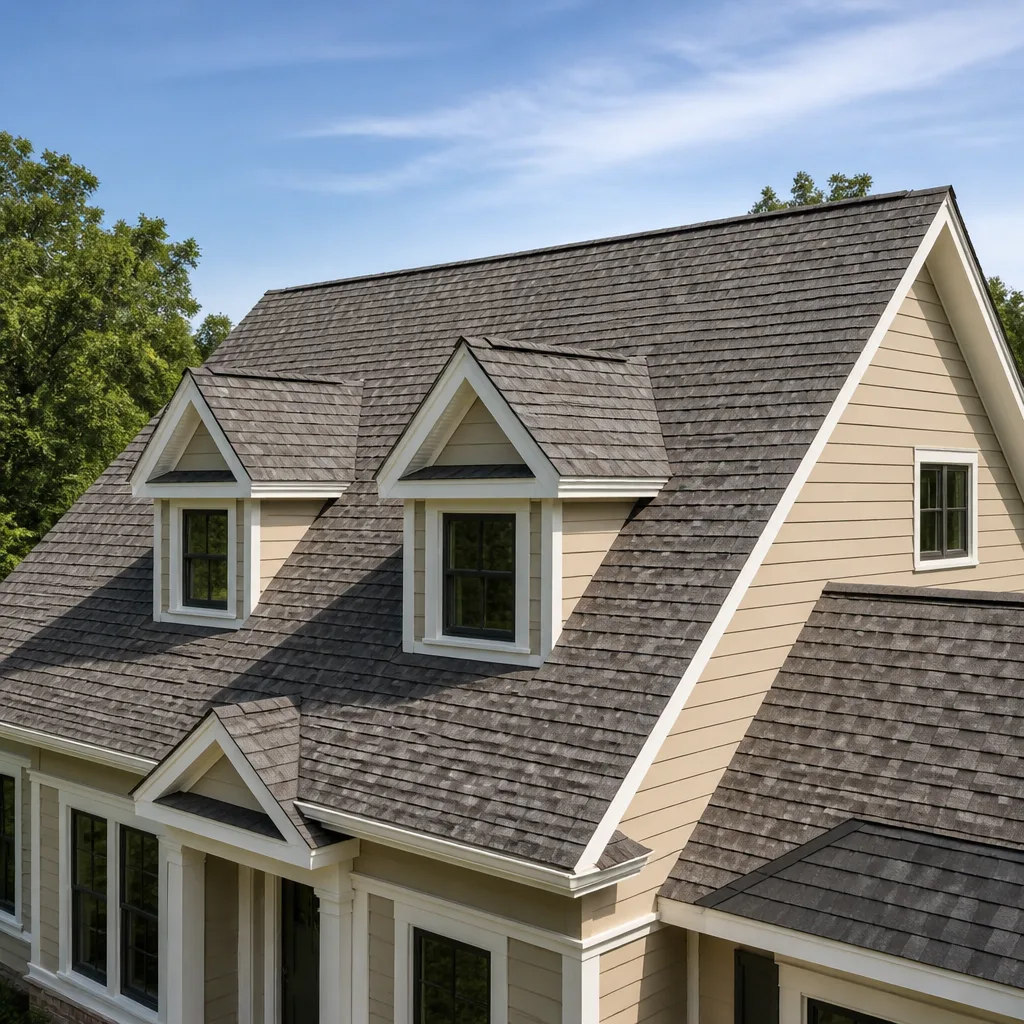 Roofing
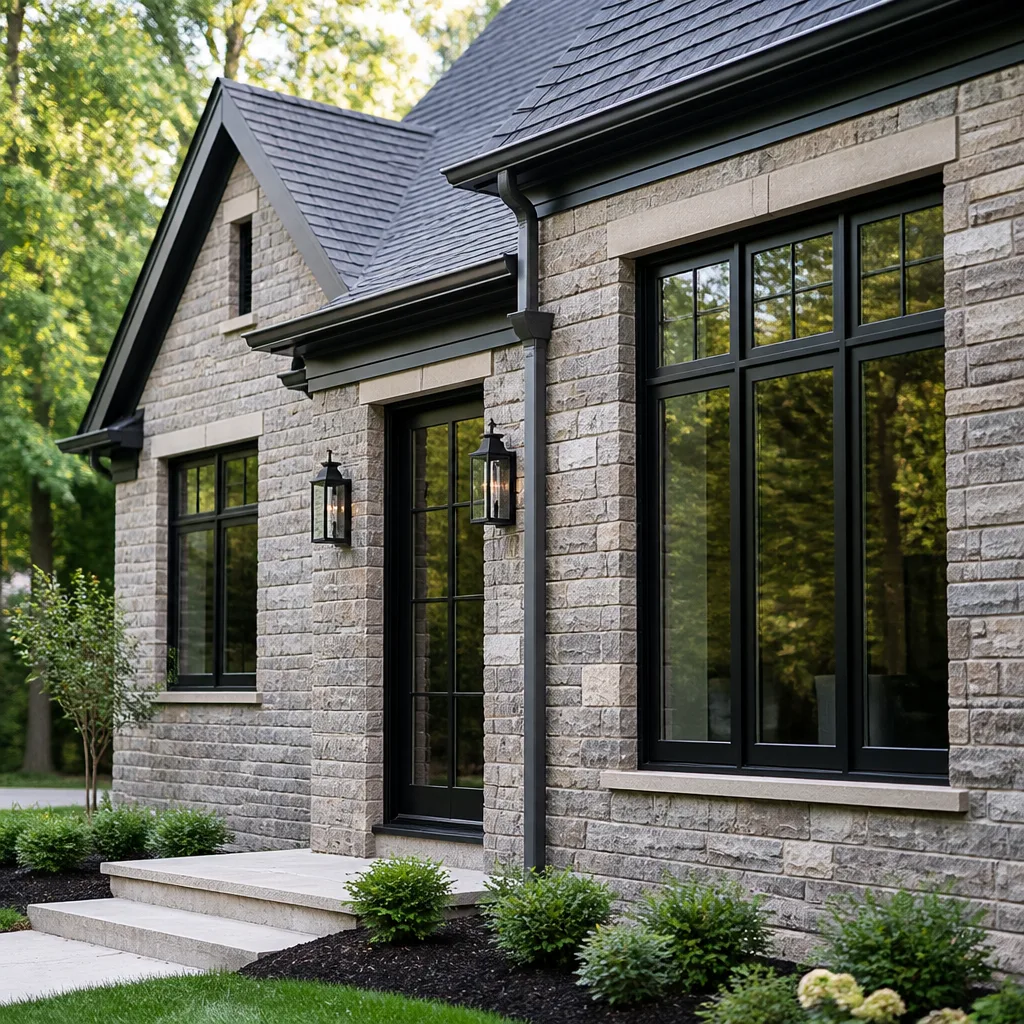 Windows & doors
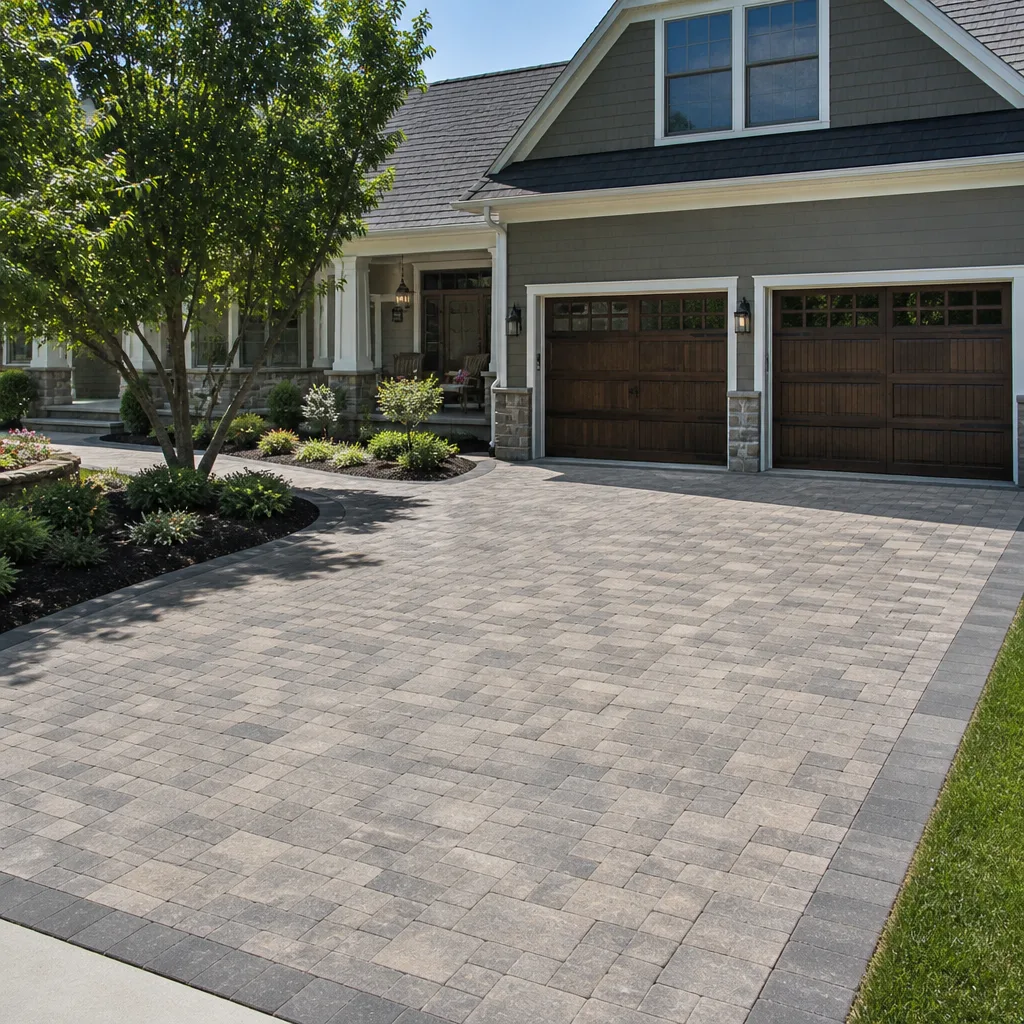 Driveway & pavers
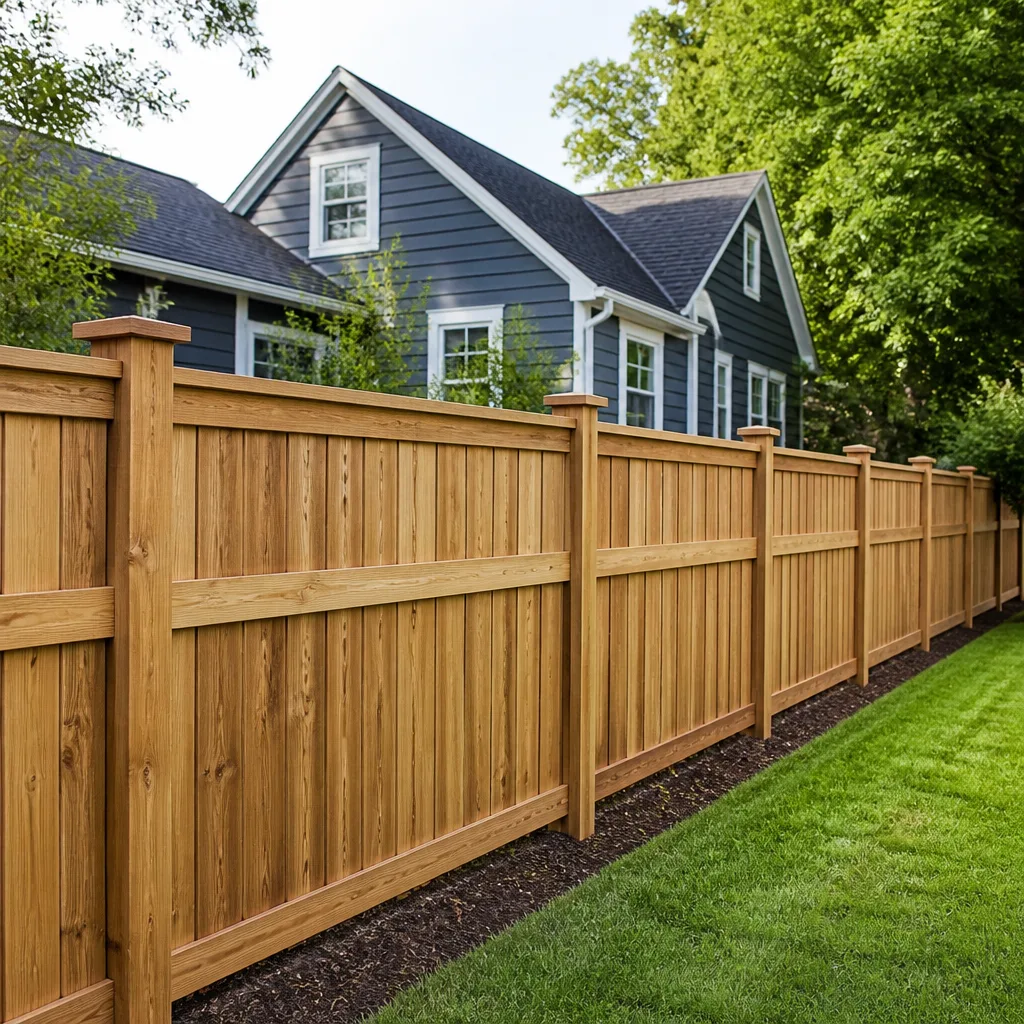 Fence
Free written scope consultation - allowances, timeline, and change-order rules on paper before a single trade is scheduled
DIY vs Professional Construction: The Palmdale Homeowner’s Decision Guide
A paver driveway can look finished for a season and then fail all at once. That’s the moment a lot of Palmdale homeowners call us. The pavers themselves weren’t the problem. The site work underneath them was, and site work is the step that’s easiest to skip when you’re doing the job yourself. This guide is about where that line sits for the projects people actually take on around here: roofing, windows, fencing, pavers, kitchens, bathrooms, and additions. We’ll show you which projects reward DIY labor, which ones look DIY-friendly until they don’t, and how Palmdale’s wind, sun, and soils change the math on every one of them.
Quick Answer
Some Palmdale construction projects genuinely reward DIY, and some only look that way until an inspection or the first windy season. Interior cosmetic work like painting, minor trim, and finish carpentry is realistic for a careful homeowner. Roofing, window and door replacement, structural additions, electrical and gas work, and anything with a permit that requires a licensed sign-off are professional jobs in Palmdale, because the high desert climate and wind-load requirements leave little margin for error and non-permitted work can void the manufacturer warranty you paid for.
Styles & brands we work with
- Kitchen remodeling
- Bathroom remodeling
- Home additions & ADU
- Roofing
- Windows & doors
- Driveway & pavers
- Fence
Table of Contents
- The Permit Reality Check
- The Project-by-Project DIY Matrix
- How Palmdale’s Climate Shrinks Your Margin for Error
- The Warranty Dimension Most Homeowners Miss
- The Real Five-Year Cost Comparison
- Roofing in Palmdale: Where the Line Is
- Pavers, Fences, and the Exterior Envelope
- Common Mistakes to Avoid
The Permit Reality Check
In Palmdale, a surprising number of projects that people plan to do themselves still require a permit, an inspection, or a licensed person to sign off, even when the homeowner does the labor. That single fact reshapes the whole DIY vs hire decision. Doing the work yourself doesn’t automatically exempt you from the process. The City of Palmdale’s building department sets the rules, and they vary by project, so the first move for any ambitious plan is a phone call to ask what permits apply. Most cities, Palmdale included, require permits for structural changes, additions, and major electrical and plumbing work.
Here’s how the permit layer typically breaks down for the projects on this list:
- Roofing: Re-roofs usually need a permit and an inspection. A roofing permit generally requires a licensed contractor attached to the job.
- Windows and doors: Like-for-like swaps sometimes move with less paperwork, but anything that changes the opening, the header, or the wall typically needs one. So does anything touching structural elements.
- Home additions and ADUs: Always permitted, always inspected, always drawn by someone qualified. There’s no realistic DIY path here.
- Fencing: Often permit-light, but height limits and property-line rules still apply. So do HOA rules in much of Palmdale.
- Pavers: Frequently exempt from building permits, but the site prep and drainage are what inspectors and future buyers look at.
- Kitchen and bath: A cosmetic refresh can be DIY. Any electrical, plumbing, or gas relocation is not.
The honest takeaway: in Palmdale, a permit is often the dividing line between a project that’s DIY-viable and one that isn’t, even before skill gets considered. For a full breakdown of what a licensed contractor handles on permitted jobs, see Construction Palmdale, where the project categories are laid out one by one. Call (844) 320-6596 if you want to know whether your specific project needs a permit before you start.
The Project-by-Project DIY Matrix
This is the section most homeowners skip ahead to, so here it is. We’ve organized the common Palmdale residential projects into three tiers: genuinely DIY-viable, risky-but-sometimes-done, and hire a professional. The tier reflects not just skill but also permit exposure, warranty risk, and how badly the high desert climate punishes shortcuts.
- Genuinely DIY-viable: Interior paint, trim and baseboard, minor drywall patching, cabinet hardware and pulls, landscaping cleanup, and simple fence repair. These can look great, carry no permit, and no warranty is at risk if you’re careful.
- Risky but sometimes done: Small tile work on a bathroom floor or backsplash, building a simple wood fence, laying a small paver patio, and swapping an exterior light fixture. All doable, all with a steeper learning curve, and any one of them can fail an inspection or void a product warranty if it goes wrong.
- Hire a professional: Roofing, window and door replacement, pavers over a large driveway, additions and ADUs, full bathroom and kitchen remodels with plumbing or electrical changes, any gas work, and any structural change. These involve permits, engineering, or high-value materials where a mistake is expensive to undo.
The most common surprise in Palmdale is paver work. A homeowner handles a small patio with a shovel, some sand, and a weekend, and it works fine. Then they attempt a driveway or a large hardscape area and the sub-base is where it all goes wrong. Caliche, the calcium-carbonate layer common in high desert soils, and carefully prepped base depth are what separate a driveway that lasts from one that heaves. That’s why we treat driveway & pavers as site-work-first projects, not just a material choice.
How Palmdale’s Climate Shrinks Your Margin for Error
Palmdale isn’t a mild, forgiving climate to build in. The high desert brings intense UV year-round, big day-to-night temperature swings, and sustained wind that pushes on every exterior surface. Each of those conditions turns a “close enough” DIY job into something that shows its flaws within two seasons, not twenty.
Here’s where the margin disappears fastest:
- Roofing: UV breaks down sealants and underlayment. A slightly out-of-spec flashing detail or a ridge vent that’s under-fastened for the wind is a leak waiting for the first real gust or the first winter rain. “Close enough” on a roof here means a call to a roofer within two seasons.
- Caulking and sealing: Exterior caulk joints expand and contract with the temperature swing. A caulk line that’s fine in mild climates fails far faster where the daytime temperature and the overnight low can sit 35 degrees apart. Improper application means water intrusion behind siding and trim.
- Exterior paint: Sun exposure fades and chalks paint faster here. A paint applied without proper surface prep or the right primer fails early, and you’re redoing it a season or two sooner than you planned.
- Windows and doors: Proper flashing and sealing on a window has to handle wind-driven rain and sun. Get it wrong, and water finds the wall cavity.
Every one of these is a place where an amateur substitution, even a small one, can void the manufacturer warranty without anyone noticing until the failure happens. If a product comes with a warranty (and windows, roofing, and siding all do), the warranty often assumes installation to manufacturer spec. That’s the phrase we come back to again and again: built to manufacturer spec. It exists for a reason.
The Warranty Dimension Most Homeowners Miss
When you buy a premium roof shingle, a window system, or siding, you’re buying the material and the warranty behind it. In California, that warranty is not automatic for a homeowner installation. Most manufacturer warranties, including those on roofing, windows, and siding, are tied to professional installation and often specifically to a licensed installer. If you install it yourself, or have an unlicensed person install it, the product warranty can be reduced or voided entirely. That’s a hidden cost of DIY that doesn’t show up in the material quote.
This is where material choice and installation choice become inseparable. A GAF, CertainTeed, or Owens Corning shingle system is an investment, and it only performs as designed when installed and flashed correctly. The brand and the installation are a package. Choose the one without the other and the warranty you paid for isn’t there when you need it.
Here’s the practical test: before you buy any major exterior material, ask what the installation warranty requires and whether a licensed installer is part of the terms. If the answer is yes, that’s your sign to price out professional installation before you commit. When you compare a manufacturer’s spec sheet to what you’d be doing yourself, and the DIY path voids the warranty, the cost comparison shifts quickly.
The Real Five-Year Cost Comparison
DIY is not always cheaper. Sometimes it is. This section is about the honest scenarios where hiring in Palmdale is actually less expensive over a five-year window than doing it yourself, because DIY that has to be redone or that voids a warranty costs more than the professional quote you skipped.
A simple walkthrough:
- Scenario A – the DIY win: Painting the interior. You buy paint, brushes, and rollers, and you spend your own time. The result holds for years. Professional labor here is a convenience, not a necessity. DIY is cheaper.
- Scenario B – the wash: A smaller paver patio done with careful base prep. Your cost is material and sweat. It can work. The catch is the base depth and compaction. If you skip it, the five-year cost flips because you’re redoing it.
- Scenario C – the DIY loss: A roof or a window replacement. When the manufacturer warranty hinges on licensed installation, the five-year cost of owning it yourself includes any premature failure, plus the material you’ll buy again. That’s usually more than the professional quote. Call (844) 320-6596 for a free estimate and ask us to walk you through how the numbers break down.
- Scenario D – the addition: A home additions & ADU is never a DIY cost comparison. It’s a permit-and-engineering project where the material and labor choices sit on top of a structural plan. The “DIY saves money” idea just doesn’t apply.
We tell homeowners to look at a five-year horizon, not a weekend one. Over five years, the projects that reward DIY are the ones with no permit, no structural element, and no manufacturer warranty at risk. Over five years, the deep exterior work tends to pay for professional installation the first time it fails.
Roofing in Palmdale: Where the Line Is
Roofing is the clearest case where a Palmdale project looks DIY-able until it isn’t. From the ground, a shingle roof looks simple. Shingles, underlayment, some nails, and a ridge. What the ground doesn’t show is the flashing detail at every penetration, the ridge and edge wind fastening, the underlayment overlap, and the ice-and-water protection that the building code expects where it’s needed. One slightly wrong detail is a leak at the first hard wind-driven rain. On a Palmdale roof, “nearly right” is where the problems start.
There’s also a safety dimension that we won’t shy away from. Roofing work puts you on a ladder and a slope, with an angle, and the risk of a fall is real. Depending on the home’s height and pitch, a fall from a roof is a serious injury. We’d rather say this plainly than write a step-by-step guide that leads someone to a ladder they shouldn’t be on. The work itself is a job for a trained, insured, and permitted roofer.
What we can help with is comparing shingle systems before you decide. We install roofing in GAF, CertainTeed, Owens Corning, and several other lines, which means you can compare the actual materials rather than take whatever a single installer stocks. When you’re weighing whether to do it yourself, price a professional install with the same material first. The difference is usually narrower than people expect when you factor in time, safety, and a warranty that actually holds.
Pavers, Fences, and the Exterior Envelope
The exterior work in Palmdale (the paver driveway, the fence, the windows, the roof) is where DIY risk concentrates. A fence is often DIY-friendly as a weekend project. But fence installations on this terrain and in this wind have to be set on posts that actually hold. A fence that’s plumb on day one and leaning after a windy spring is the most common thing we see heading into a full fence project. Brand-name materials matter here too: aluminium systems from Ameristar or Jerith, vinyl from Bufftech or ActiveYards, and steel from Master Halco or Barrette all come with installation expectations and product guarantees. Matching the material to the neighborhood and the budget is half the decision. See fence installation for the options we carry.
For pavers, the driver is the base, not the surface. The quality of a paver or hardscape job depends on site prep, base depth, compaction, and drainage, and that’s the step amateur installs skip. Whether you’re considering a backyard patio or a full driveway, the honest answer is that doing the base prep correctly takes knowledge and equipment that most homeowner tools don’t provide. The surface material (Belgard, Unilock, Techo-Bloc, Cambridge Pavers, Tremron) is a design catalog. The base is the engineering.
Exterior envelope work also pays to do as one coordinated project. Roofing, windows, doors, and siding are all places where water and wind get in, and they interact. Having a single contractor plan the whole exterior means accountability is not split between trades. That’s the “one team from the roof to the driveway” idea, and it’s more useful to you as a homeowner than a collection of separate quotes.
Common Mistakes to Avoid
- Skipping the permit call. In Palmdale, most homeowners assume a small project doesn’t need a permit. The building department, not your neighbor, decides that. One phone call to the city saves you a stop-work order.
- Buying premium materials without checking the install terms. A name-brand roof, or window might carry a warranty that requires licensed installation. If your plan voids that warranty, the material is only half the value.
- Treating pavers as a surface project. The common mistake in Palmdale is buying pavers before the site work plan. Caliche soil and the base depth are what fail, not the paver itself.
- Leaving a caulk or flashing detail “close enough.” The high desert temperature swing and UV here turn small flaws into leaks in far less time than a mild climate would. That detail is not cosmetic.
- Mixing trades without a single point of accountability. A roof done by one person, windows by another, and a fence by a third means nobody owns the leaks where they meet. The coordination headache usually costs more than it saves.
- Assuming the DIY path avoids the inspection. A lot of permits still require a licensed contractor or inspector sign-off even when the owner does the work. Ask before you start, not after.
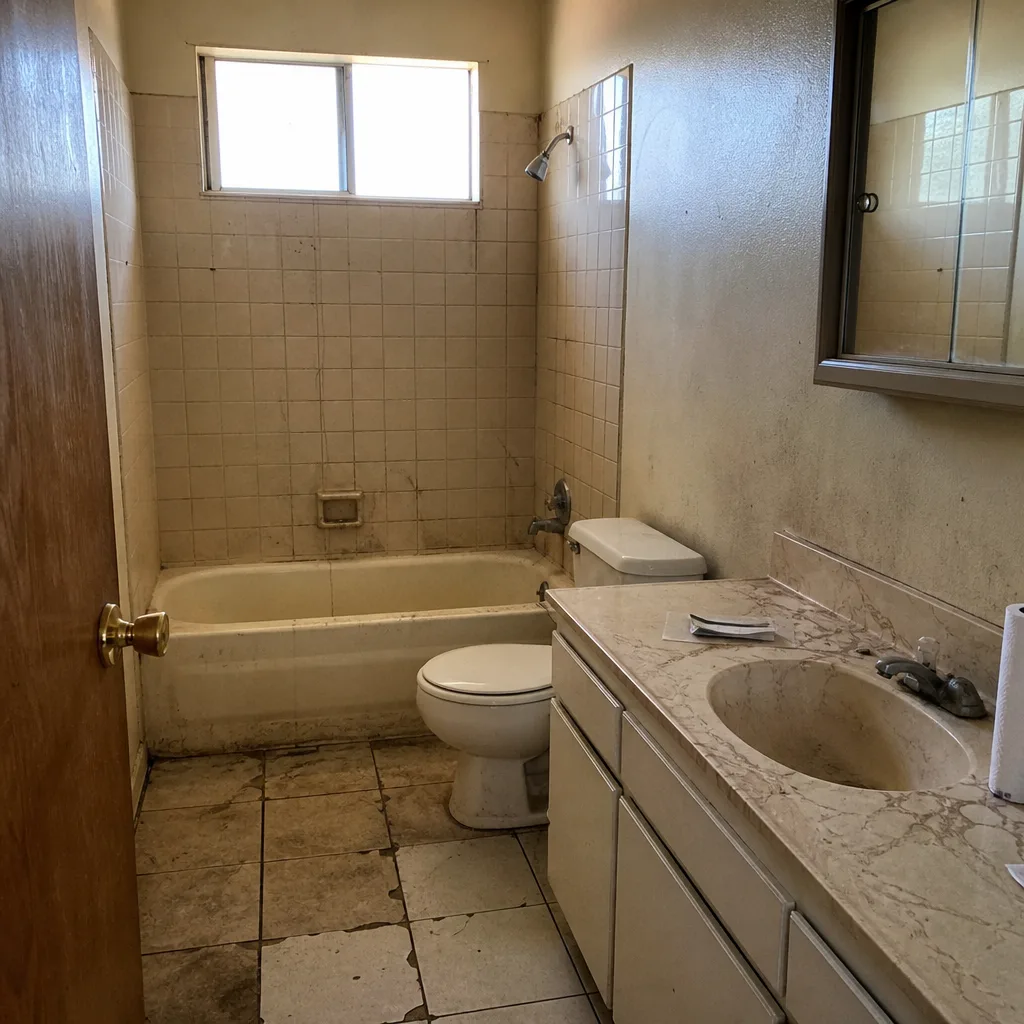
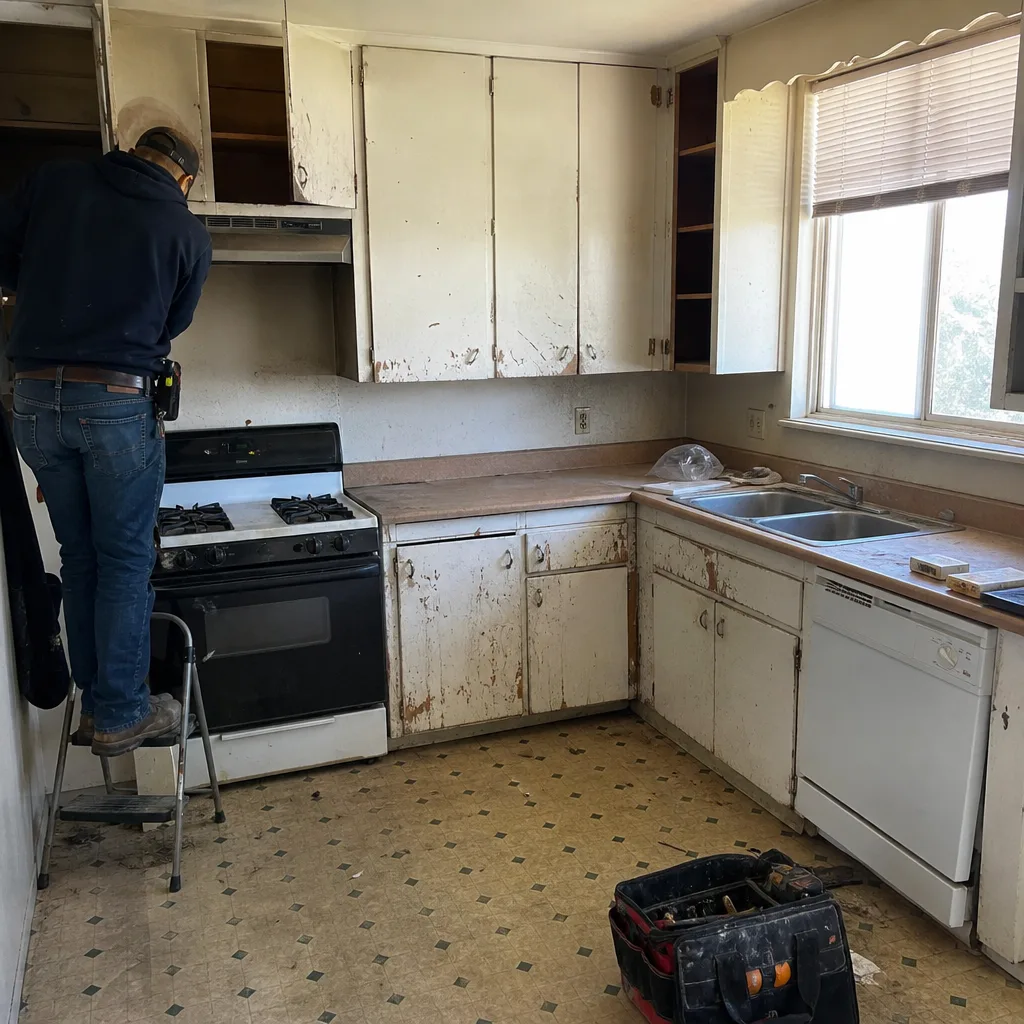
See the difference
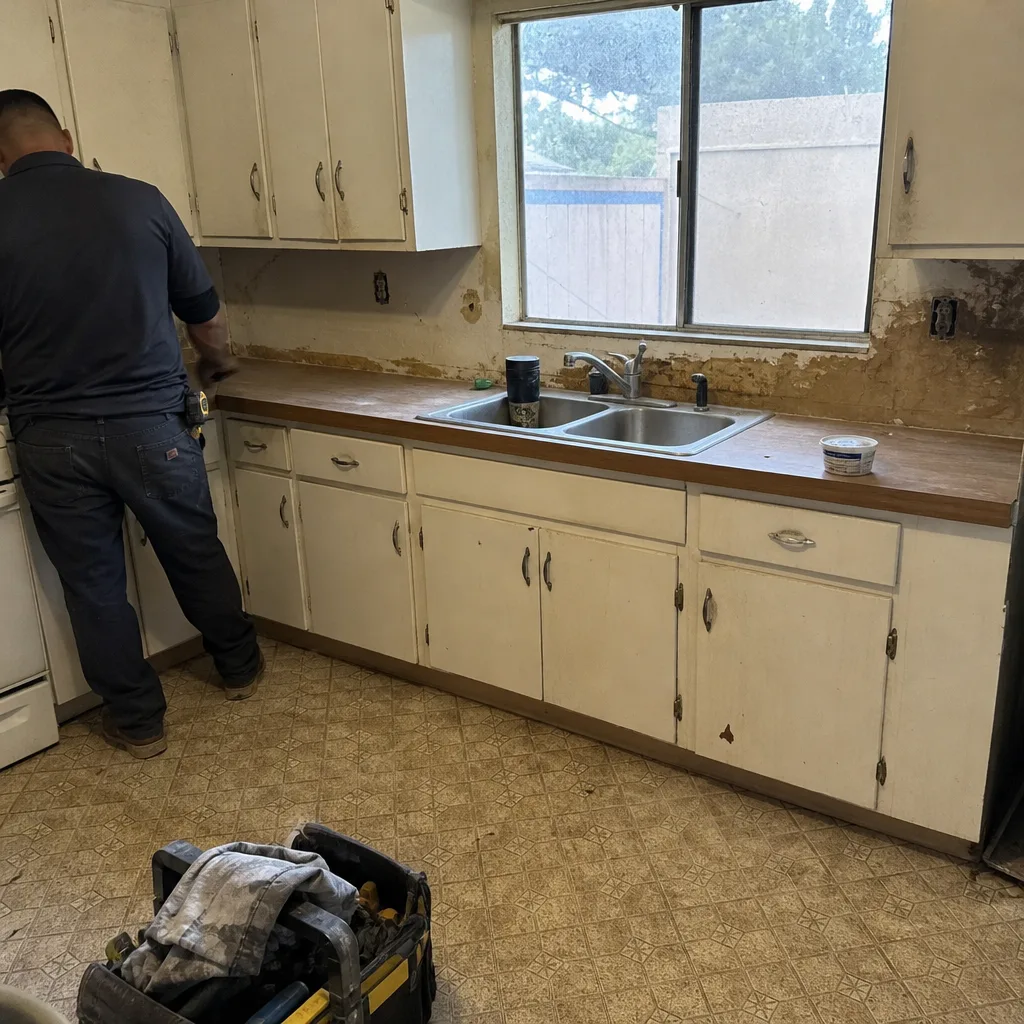 Before
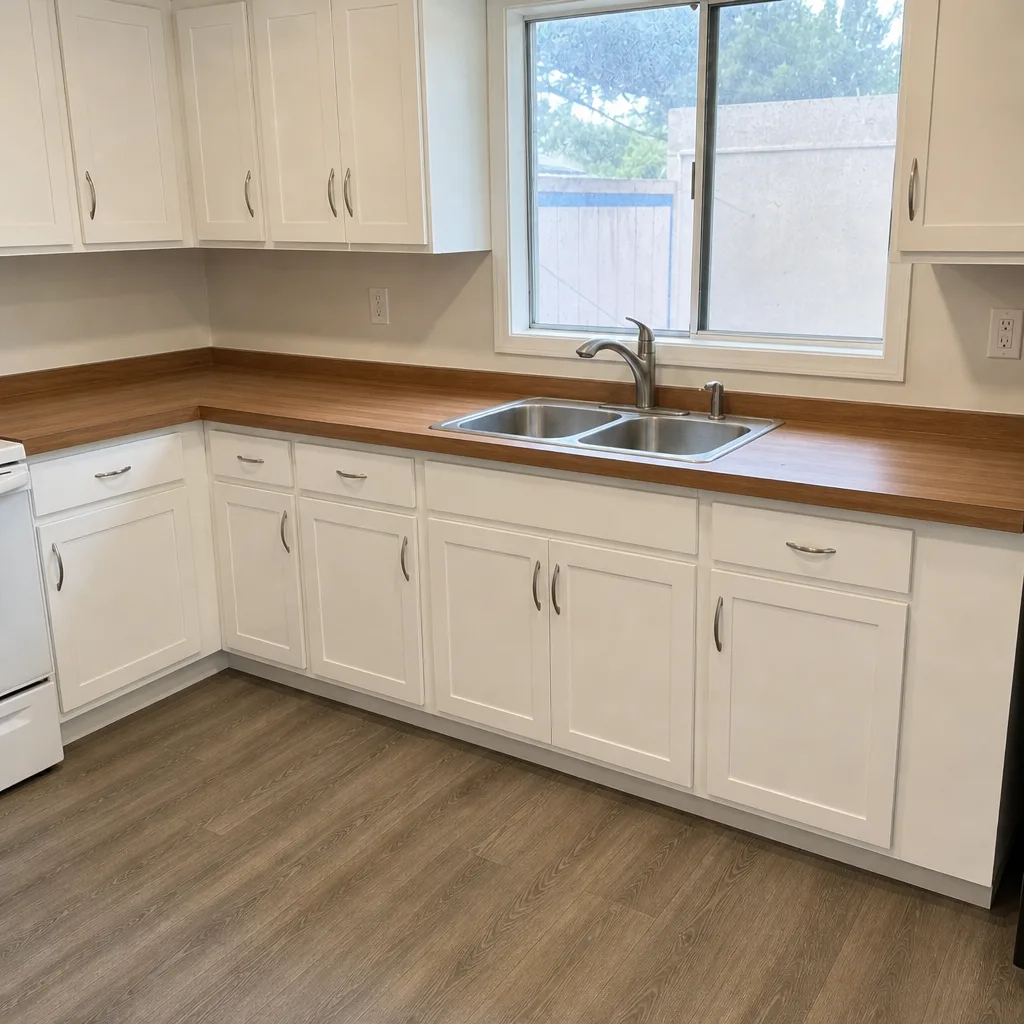 After
 Before
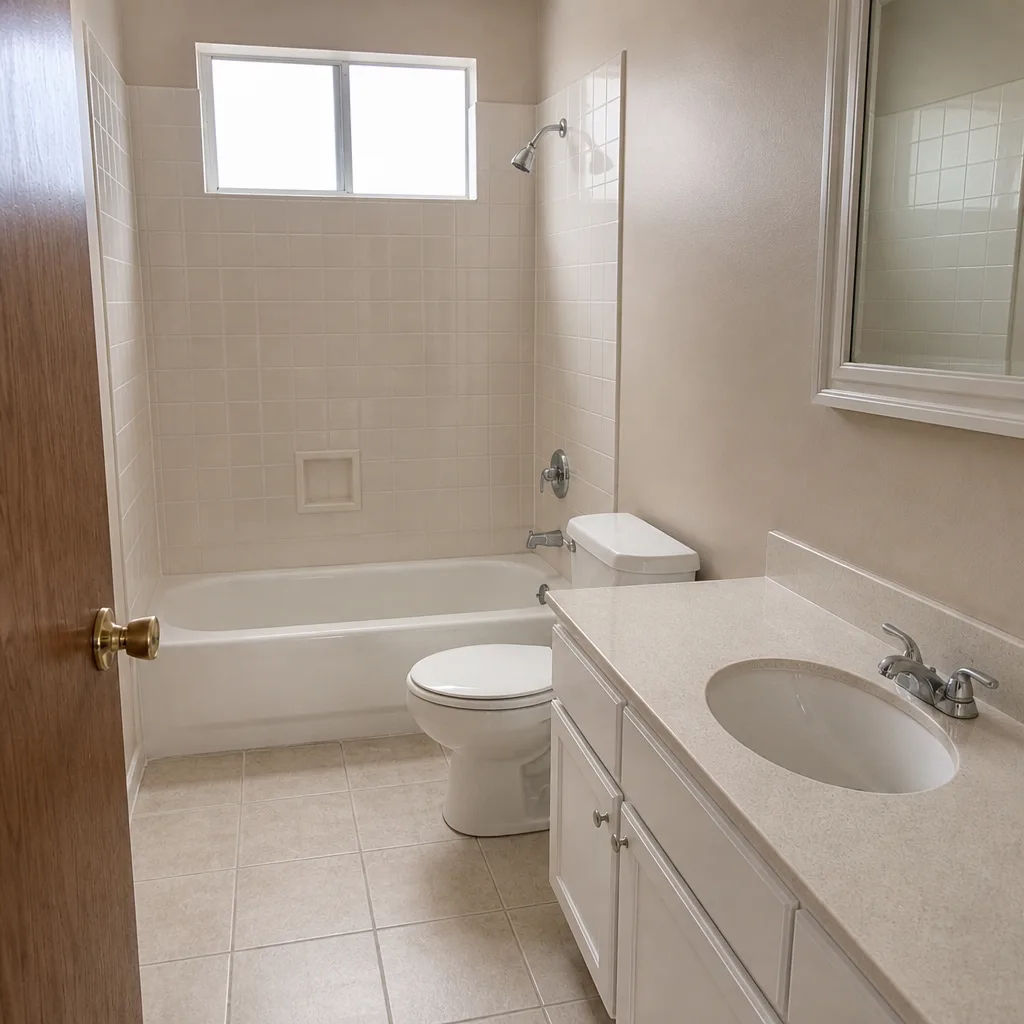 After
 Before
 After
When to Call a Professional
Call a professional when a project touches a permit, a structural element, gas or electrical, or a manufacturer warranty that hangs on licensed installation. That describes every Palmdale roofing job, any window or door replacement that changes the opening, a full kitchen or bathroom remodel with plumbing or electrical changes, every addition and ADU, and any paver or hardscape job over a large area where the base prep matters. It also describes any project where the failure cost, not the upfront cost, is what would hurt. If your project is a small cosmetic refresh, you can skip the call. If you’re unsure which one you’re looking at, that’s when to talk it through.
Construction Palmdale offers free estimates in Palmdale. Call (844) 320-6596. We answer 24/7. Fast dispatch from 7am to 7pm, Sunday through Friday.
Frequently Asked Questions
For cosmetic interior work like painting, trim, and small repairs, doing it yourself is usually cheaper because there’s no permit, no structural risk, and no warranty at stake. For roofing, windows, additions, and full remodels, hiring is often cheaper over five years because a DIY failure carries the cost of a redo and any voided manufacturer warranty. Call (844) 320-6596 for a free estimate so you can compare the numbers on your specific project.
In Palmdale, many larger projects need a permit and inspection even if you do the labor yourself, and structural or electrical work typically requires a licensed sign-off. The City of Palmdale’s building department sets the rules for your specific project, so call them first. If the permit requires a licensed contractor, that’s your answer. Call (844) 320-6596 if you want help figuring out which permit applies.
In California, many manufacturer roofing warranties assume professional or licensed installation, so a DIY install can reduce or void the warranty. That’s why we recommend pricing a professional install with the same material before deciding. We install GAF, CertainTeed, Owens Corning, and several other roofing brands. Call (844) 320-6596 for a free quote.
Small patio projects are sometimes doable yourself, but a full driveway is where DIY paver work usually fails, because the paver isn’t the problem. The caliche soil and base prep are. Doing the base prep correctly means compaction and depth that most homeowner tools can’t manage. If you’re pricing a driveway or large hardscape, call (844) 320-6596 for a free estimate.
Palmdale’s high desert conditions bring intense UV, large day-to-night temperature swings, and sustained wind, and those three factors shorten the time it takes small flaws in roofing, caulking, and exterior paint to show. A detail that’s “close enough” elsewhere fails faster here, which is why the margin for error is smaller. Call (844) 320-6596 to talk through how that applies to your project.
Construction costs in Palmdale are set per job by a written estimate, because roofing, windows, kitchen remodels, and additions vary too much for a single number. We don’t quote until we’ve looked at the project and the material options, and we don’t change the price after work starts. Call (844) 320-6596 and we’ll schedule your free estimate.
The Bottom Line
For a Palmdale homeowner, the DIY vs hire decision comes down to four questions: does the project need a permit, does it touch something structural, does it put a manufacturer warranty at risk, and would a failure in this climate cost more than the professional quote? Projects with a no on all four are genuinely DIY-friendly. Projects with a yes on any one of them are where the weekend plan turns into a call to a professional. The high desert sun, wind, and soil don’t forgive a skipped base-prep step or an under-fastened flashing detail. Do the small, cosmetic, permit-free work yourself, and bring in a professional for the parts that are built to manufacturer spec and inspected. If you’re not sure which side your project is on, that’s the conversation to have.
Ready to price it out? Construction Palmdale offers free estimates and written line-item quotes, so you can compare the material options and the real cost before you decide. Call (844) 320-6596. We answer 24/7. Fast dispatch from 7am to 7pm, Sunday through Friday.
Written by the team at Construction Palmdale.