
Last updated November 16, 2026
 Home additions & ADU
 Kitchen remodeling
 Bathroom remodeling
 Roofing
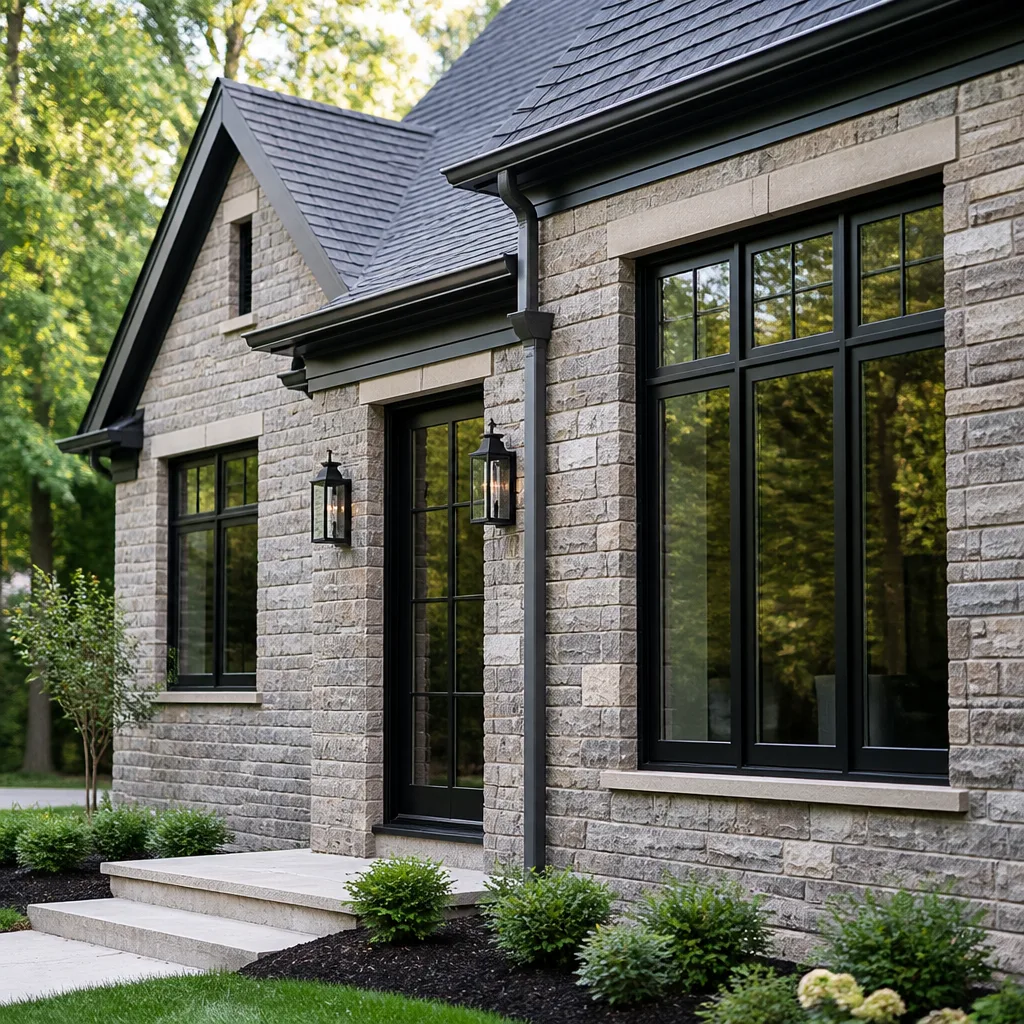 Windows & doors
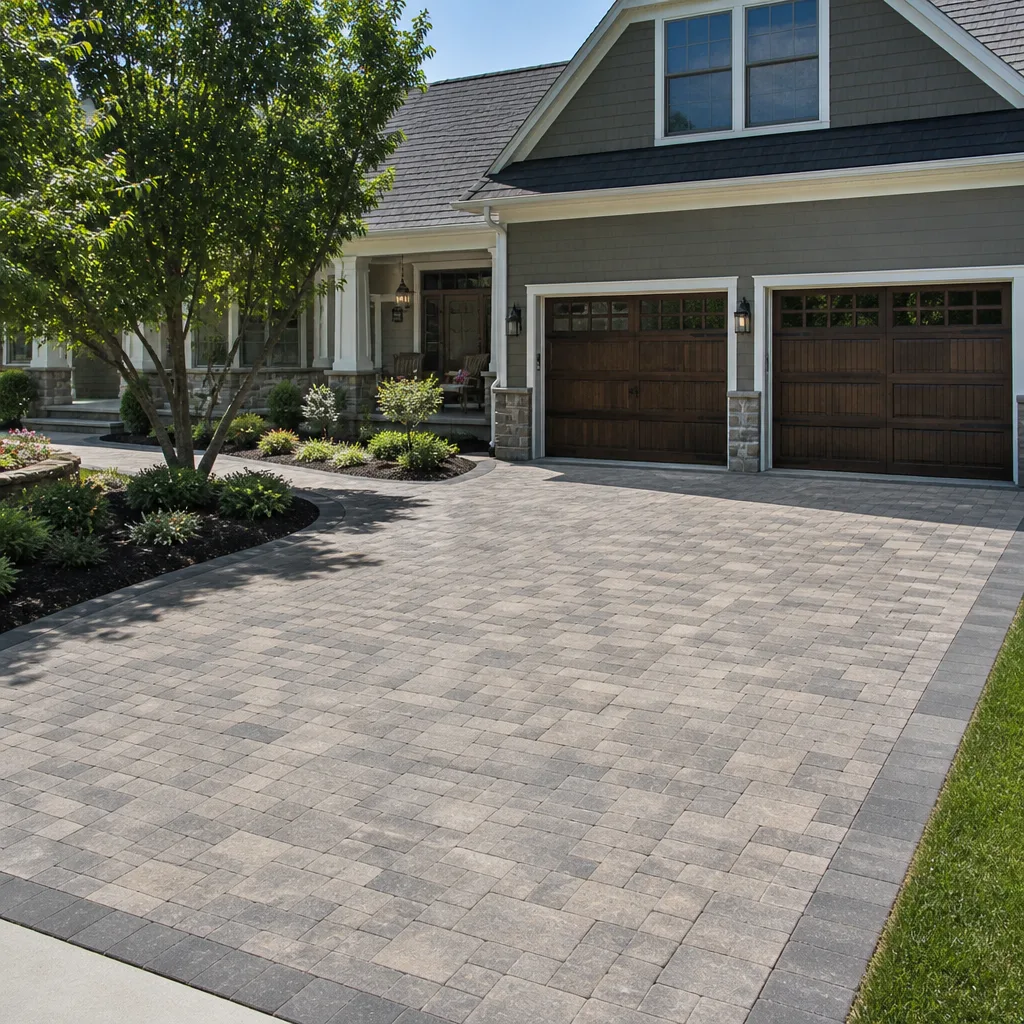 Driveway & pavers
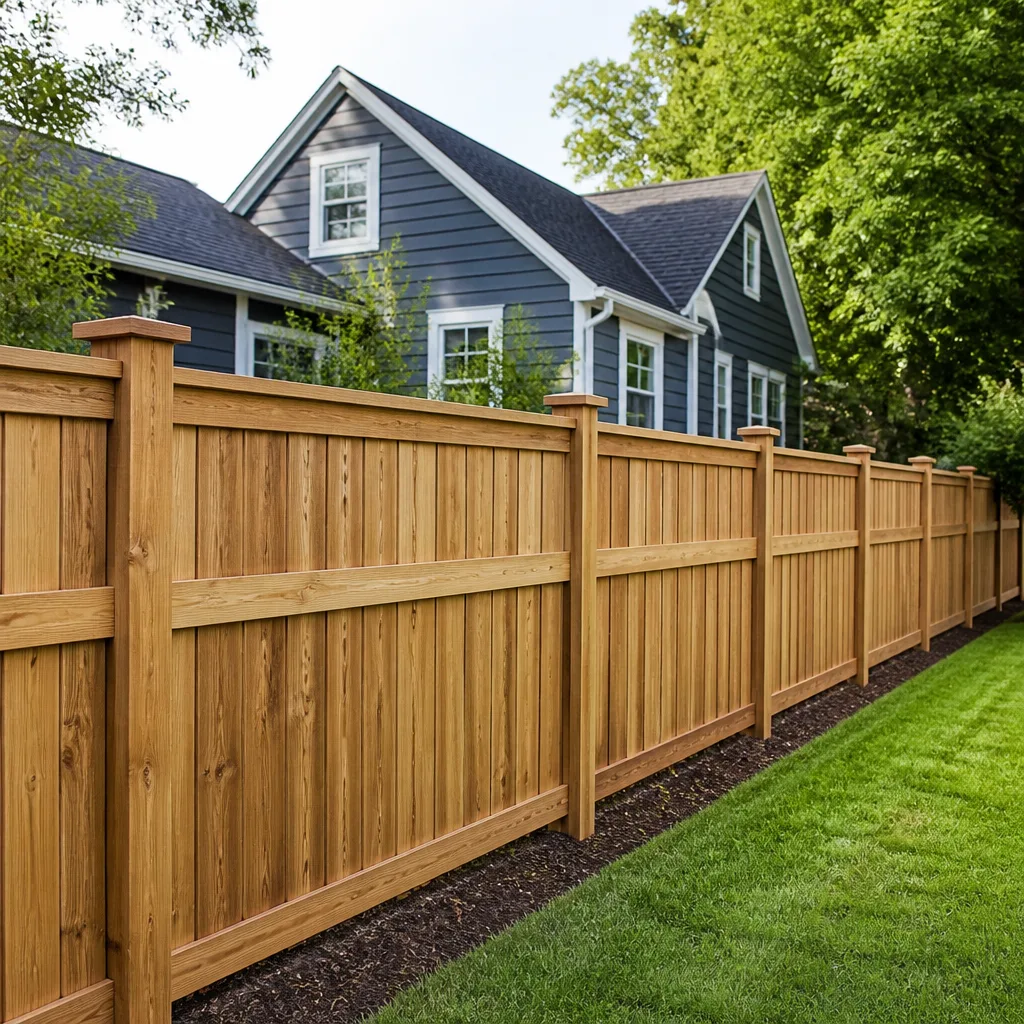 Fence
Free written scope consultation - allowances, timeline, and change-order rules on paper before a single trade is scheduled
Construction Emergency Preparedness Guide for Palmdale Homes
Here’s the counterintuitive part: the worst storm on record isn’t what makes a Palmdale home feel unsafe. Usually, it’s a modest one. A wind gust peels back a patio cover because the anchor bolts were sized to the code the house was built under, not the code the neighborhood now demands. Scaffolding of small failures compounds: a lifted shingle, a dried-out vent flap, a chain of loose fence panels that turns into a projectile. Palmdale sits in a threat zone that shifts from dry wind to wildfire embers to rare hail to seismic shaking, and the common thread is that today’s preparedness comes from yesterday’s materials and fastening. This guide is a DIY-friendly structural audit you can run yourself, plus the material upgrades, emergency-response steps, and documentation habits that make the difference when something actually happens.
Quick Answer
A Palmdale home is construction-emergency-ready when its roof, patio cover, fence, and vents are fastened and ventilated for high-wind and wildfire exposure, its water-intrusion response plan exists before the storm, and its construction specifics are documented photographically for insurance claims. You don’t need an engineer to check most of that. You need a ladder-free inspection routine, a written checklist, and a call to your contractor when something looks off.
Styles & brands we work with
- Kitchen remodeling
- Bathroom remodeling
- Home additions & ADU
- Roofing
- Windows & doors
- Driveway & pavers
- Fence
Table of Contents
- Palmdale’s Threat Profile: Fire, Wind, Seismic, Hail
- How to Audit Your Roof, Patio Cover, and Fence for Wind-Load Compliance
- Wildland-Urban Interface: Class A Roofing and Ember-Resistant Vents
- First 24 Hours After Wind Breaches Your Roof or Exterior
- Pre-Emergency Documentation for Insurance Claims
- Seismic Readiness for Palmdale Structures
- When to Call a Professional vs. When to Wait
- Frequently Asked Questions
Palmdale’s Threat Profile: Fire, Wind, Seismic, Hail
Palmdale’s hazard mix is genuinely unusual. It’s not a coastal town bracing for a hurricane season or a mountain town living under snow load. It’s a high-desert valley with sustained wind, dry fuel loads in the surrounding foothills, non-trivial seismic exposure, and a hail risk that surfaces just often enough that roofing suppliers here know which shingle lines hold up. Each threat exploits a different structural weakness.
- Wind – Tests fasteners, roof-to-wall connections, patio cover anchor bolts, fence posts, and anything unsecured on the exterior. Santa Ana wind events (the strong, dry downslope winds pushed west across the Antelope Valley and beyond) can push gusts above 70 mph. Fences catch wind like sails; patio covers catch it like aircraft wings.
- Wildfire – Tests roofing class, ember resistance at vents and eaves, and defensible space. Wind-driven embers can ignite a home hours after the fire front has passed.
- Seismic – Tests attachment: cripple-wall bracing, water heater strapping, cabinet latches, and whether masonry walls have been retrofitted. Shaking exposes poor fasteners the same way wind does.
- Hail – Rare here, but when it hits, it strikes hard. Older 3-tab asphalt shingles bruise and lose granules; newer impact-rated products shrug it off. Tile roofs break individual units; the underlying underlayment is what matters.
One home can be well-prepared for three of these threats and wide open for the fourth, which is why preparedness has to be run as a checklist, not a gut feeling. In our experience, the homes that survive a wind event intact usually share one habit: someone walked the exterior once a year with a clipboard and looked for loose things before the wind found them.
How to Audit Your Roof, Patio Cover, and Fence for Wind-Load Compliance
You don’t need a structural engineer to check most of this. You need fifteen minutes, a ladder you already own (or a pair of binoculars), and a phone camera. The audit is visual. Document what you see, then call a contractor if anything’s questionable.
- Check the patio cover attachment at the house. Look at the ledger board – the wood that anchors the cover to the wall. It should be fastened with lag bolts or structural screws, not nails, and it should be flashed to the wall. Nailed ledgers, rusted fasteners, or a ledger that sits flat against stucco with no flashing are the top cause of patio cover loss in Palmdale wind events.
- Check the patio cover outboard posts. Posts should sit on concrete footings, not floating on pavers. Push each post. If it shifts by more than a fraction of an inch, the post is anchoring you’ll want addressed.
- Walk the roof perimeter from a safe vantage point. Binoculars from the yard are enough for this. Look for lifted, cracked, or missing shingles, especially along the ridge and at the fascia. Ridge-cap shingles are the first thing wind grabs.
- Check roof-to-wall connections where visible from the attic hatch. You’re looking for hurricane ties or clips strapping the rafters to the top plate. If your home was built decades ago, they may not be there.
- Push-test the fence. Grab each post at the top and rock it. If a post moves in the soil, the post is not deep enough, or the concrete collar has cracked. Any fence section that moves in a moderate push will be a projectile in a wind event.
- Check fence panel attachment. Pickets should be nailed or screwed into at least two rails. Older palisade fences built with a single top rail are the most vulnerable.
- Walk the yard for liftables. Trash cans, patio furniture, planters, kids’ play structures. Anything under 40 lbs. that has a sail area is a candidate.
A key point: Palmdale’s wind-load assumptions in the building code have changed over time, and the code in force when your house was permitted is the code your home was built to – not the current one. If your patio cover was permitted in the 2000s, for example, it was designed to a different wind-load assumption than one permitted after the 2016 updates. That doesn’t mean an older structure is unsafe. It means an older structure deserves a closer look if you live on a ridge, near open ground, or on the valley’s windward side.
If a first-pass audit surfaces problems on multiple components, that’s the scenario where a single contractor is easier than three. When roof, patio, and fence work are handled by the same team, the fastening details line up, and the accountability doesn’t get split between a roofer who says “that’s the fence guy’s problem” and a fence guy who says the opposite. Our roofing work and fence installation crews see these issues together on a regular basis, which is why we recommend running the audit on both at once.
Wildland-Urban Interface: Class A Roofing and Ember-Resistant Vents
Palmdale’s western edge and the foothill neighborhoods that abut open desert and chaparral sit in what fire agencies call the Wildland-Urban Interface, or WUI. In WUI zones, the construction of a home determines whether the structure survives an approaching fire more than the fire itself does. Wind-driven embers can travel well ahead of the flame front, and they get in through vents, under roof edges, and into gutters.
What “Class A roofing” actually means
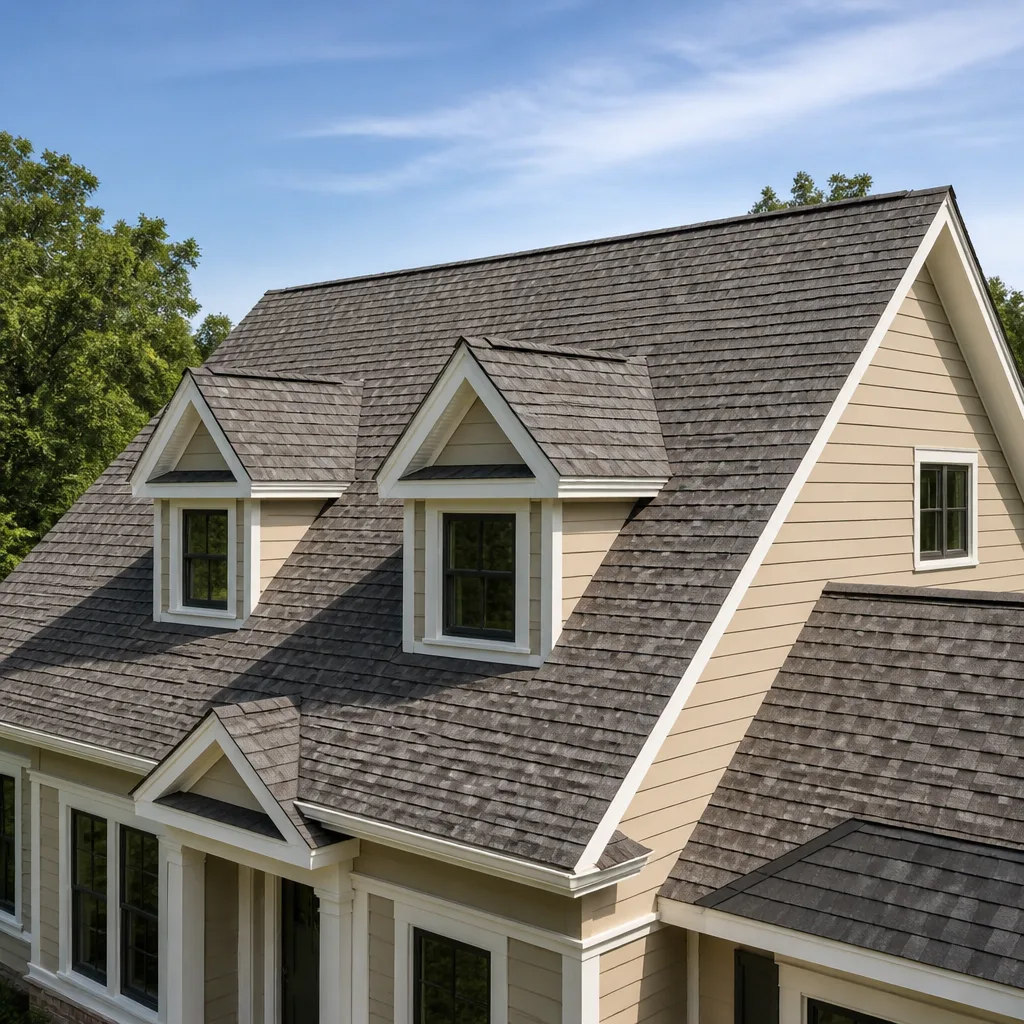
Class A is a fire-rating classification from testing standards, not a brand or a material. Many roofing products achieve it: asphalt shingles, tile, metal, and some synthetic slate, among others. The distinction that matters for a Palmdale homeowner is how the rating was earned. Some shingles get Class A through a treated fiberglass mat; some need an additional underlayment layer; some tile products carry it on the individual tiles while the deck and underlayment decide the roof’s overall performance. When you’re choosing a roof in a WUI zone, ask your contractor which component carries the rating and how it’s installed.
Brand-wise, our roofing installations are available in GAF, CertainTeed, Owens Corning, IKO, Atlas, Tamko, and Boral – and the reason we carry that many is that comparing shingle systems matters. A homeowner in a WUI zone might want one brand’s Class A shingle with a specific ember-resistant underlayment; a homeowner outside the zone might be fine with a standard architectural shingle. Different products, both valid, depending on exposure.
Ember-resistant venting, in plain terms
Standard attic and eave vents have openings large enough to admit embers. Ember-resistant vents use smaller mesh, baffles, or intumescent components that close when heated. They’re not exotic; they’re increasingly available from mainstream venting manufacturers, and they matter more on Palmdale’s windward side where embers arrive with the wind behind them. Combine them with: 1/8-inch or smaller mesh in all eave and foundation vents, non-combustible gutter guards, and Class A cladding within the first 5 feet of the wall. Those three moves alone close the biggest ember entry paths.
First 24 Hours After Wind Breaches Your Roof or Exterior
A wind event that lifts shingles, snaps a patio cover loose, or pulls a window frame doesn’t usually cause a catastrophic flood. It causes a slow, insidious leak. That’s what makes the first 24 hours critical: the damage compounds quietly while you wait for a contractor to arrive. Here’s how to contain it.
- Stop the water inside before it spreads. Get buckets, towels, and a wet-dry vac under the drip. Move electronics, artwork, and anything on the floor away from the affected area. Flooring and drywall are recoverable; soaked electrical devices are not.
- Document the breach before you touch it. Photograph the shingle damage, the water intrusion, the soaked drywall, and the furniture that got wet. Insurance claims are easier when the first hour is photographed.
- Get a temporary cover on the roof only if you can do so from the ground. Tarping a roof from a ladder near the eave is one thing. Climbing a wet pitch in gusty wind is a fall hazard and a fast way to make a bad situation worse. If you can’t safely reach the breach, call.
- Turn off the power to wet areas. If water is running near outlets, light fixtures, or a panel, kill the breaker for that circuit before walking into the room.
- Call your insurance carrier and open the claim the same day. Most policies have a reasonable-response clause; notifying them within 24 hours is a habit worth having.
- Get a contractor eyes-on within 48 hours. Temporary stabilization today prevents mold and rot tomorrow. Our crews keep tarping supplies on hand and can protect a breach until the permanent repair is scheduled. Call (844) 320-6596. We answer 24/7. Fast dispatch from 7am to 7pm, Sunday through Friday.
The order matters: photos first, temporary protection second, permanent repair third. Flip that order and you’ll usually spend more on the insurance side than the repair.
Pre-Emergency Documentation for Insurance Claims
Palmdale’s wind and fire events create insurance claims at a pace that matches the storms. The single biggest factor that separates a smooth claim from a bad one isn’t the policy – it’s the file the homeowner hands the adjuster. You build that file years before you’ll ever need it.
What to document, and how:
- Roof make, model, and install year. Look at the paperwork you got when the roof was installed, and if you don’t have it, look at the attic underside for a manufacturer’s label stapled to a rafter – many installers leave one.
- Roof underlayment. Same source. If you’re not sure, ask the roofer who last touched it.
- Window and door brand and rating. Especially in wind-prone parts of Palmdale. Take a photo of the manufacturer’s label on the frame.
- Patio cover permit and construction date. Pull the permit from the city’s records if you don’t have it, and photograph the ledger attachment.
- Fence material, brand, and approximate install date. Ameristar, Jerith, Bufftech, and ActiveYards all carry measurable product specifications, and knowing yours helps the adjuster price a replacement.
- Every exterior photograph, dated and location-tagged. Walk the property once a year and shoot 40-50 photos: roof from four angles, patio cover from three, fence run from both ends, windows from outside, doors from outside. Store them in cloud storage, not on a phone you might lose.
- A written home inventory. An old-style list with quantities and rough values is enough. It supports the claim; it doesn’t have to be perfect.
If you’ve never done this, pick a dry day, walk the exterior, and shoot everything on your phone. Thirty minutes today saves hours of paperwork later, and it gives your contractor a starting point when you call for an inspection.
Seismic Readiness for Palmdale Structures
The wind-and-fire picture tends to absorb all the attention in Palmdale, but the seismic exposure here is real, and it exploits the same weaknesses wind does: attachment. Siding pulling away, roof edges lifting, masonry walls cracking – all are stress failures at fasteners. Three items deserve a home’s attention before an event.
- Water heater strapping. A 50-gallon water heater unstrapped is a 400 lb. sloshing projectile in a shake. Two metal straps – upper third and lower third, to the wall studs – are the standard retrofit, and they’re inexpensive.
- Cripple-wall bracing. If you have a home with a raised foundation and a short wall segment between the foundation and the floor (a cripple wall), bracing it with plywood is one of the most effective retrofit upgrades. This one is genuinely engineering territory – get a contractor to evaluate.
- Tall furniture and cabinet anchoring. Bookcases, china cabinets, and tall storage units should be strapped to studs, not just to drywall. Cabinet latches on kitchen and bathroom cabinets are a small, cheap upgrade.
Not every Palmdale home needs a retrofit. The point of an inspection isn’t to sell you one; it’s to identify what, if anything, is actually exposed. Our technicians have up to 10 years of experience working in Southern California’s seismic and wind environments, and we’ll tell you when a structure is fine.
When to Call a Professional vs. When to Wait
Some issues can wait a week. Others shouldn’t wait a day. The dividing line is whether the problem is growing.
Call us today
- Water is actively intruding, dripping, or staining drywall after a wind event.
- A patio cover, pergola, or awning is visibly detached, tilted, or lifted at the ledger.
- Roof shingles are missing, lifted, or sliding off in panels.
- A fence post has pulled out of the ground, or the entire fence line is leaning after a gust.
- A window or door frame is no longer flush with the wall, or water is entering around it.
Schedule an inspection
- Shingles show granule loss or minor cracking but no displacement.
- A fence panel is loose but the post is solid.
- You want a pre-season audit before wind or fire season.
- You’re considering Class A roofing or ember-resistant venting upgrades.
Construction Palmdale offers free estimates in Palmdale – call (844) 320-6596. Inspections are free, written line-item quotes are standard, and our crews can handle a wide range of emergency stabilization and permanent repair work across Palmdale’s residential neighborhoods. If the work falls outside what we do, we’ll say so and point you toward what you need.
Because Palmdale homeowners often end up coordinating several projects at once – roofing this year, driveway & pavers next season, an ADU or home addition the year after – single-contractor accountability matters over time. Our Palmdale construction work spans the exterior envelope and the interior living spaces under one team, which is exactly the coordination posture a home-facing emergency needs. If you’re ready to look at the entire envelope project in one pass, our windows and doors and kitchen remodeling teams regularly work alongside the roofing and fence crews, and a bathroom remodel is often the right moment to address water-intrusion repairs on the interior side of a wind event.
See the difference
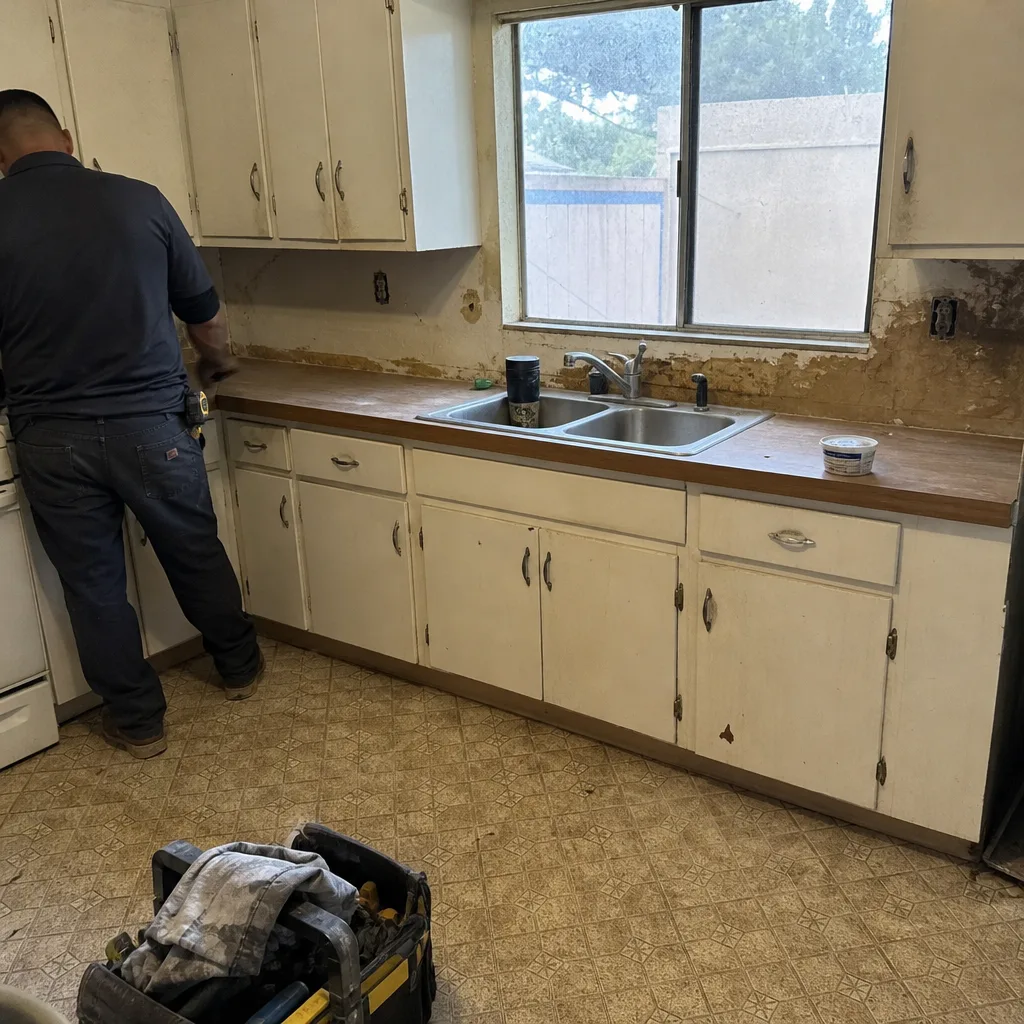 Before
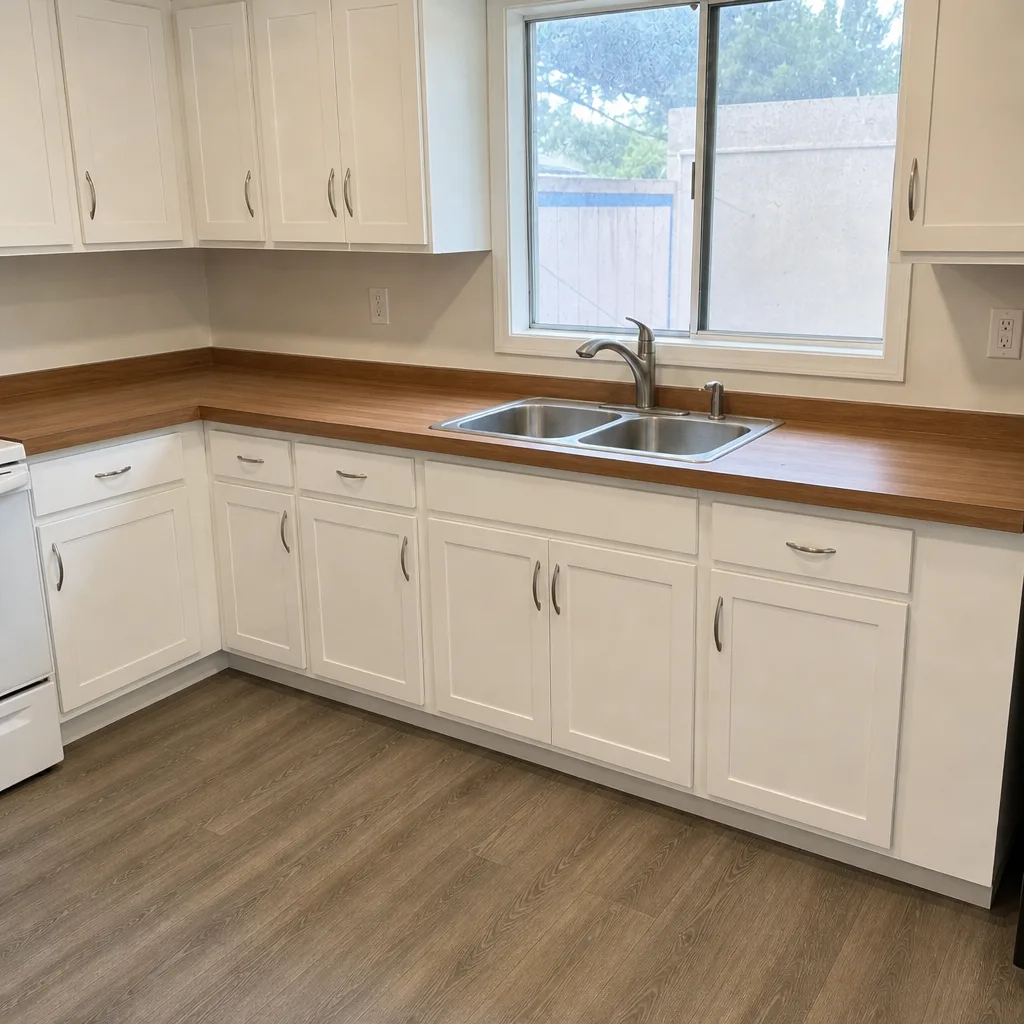 After
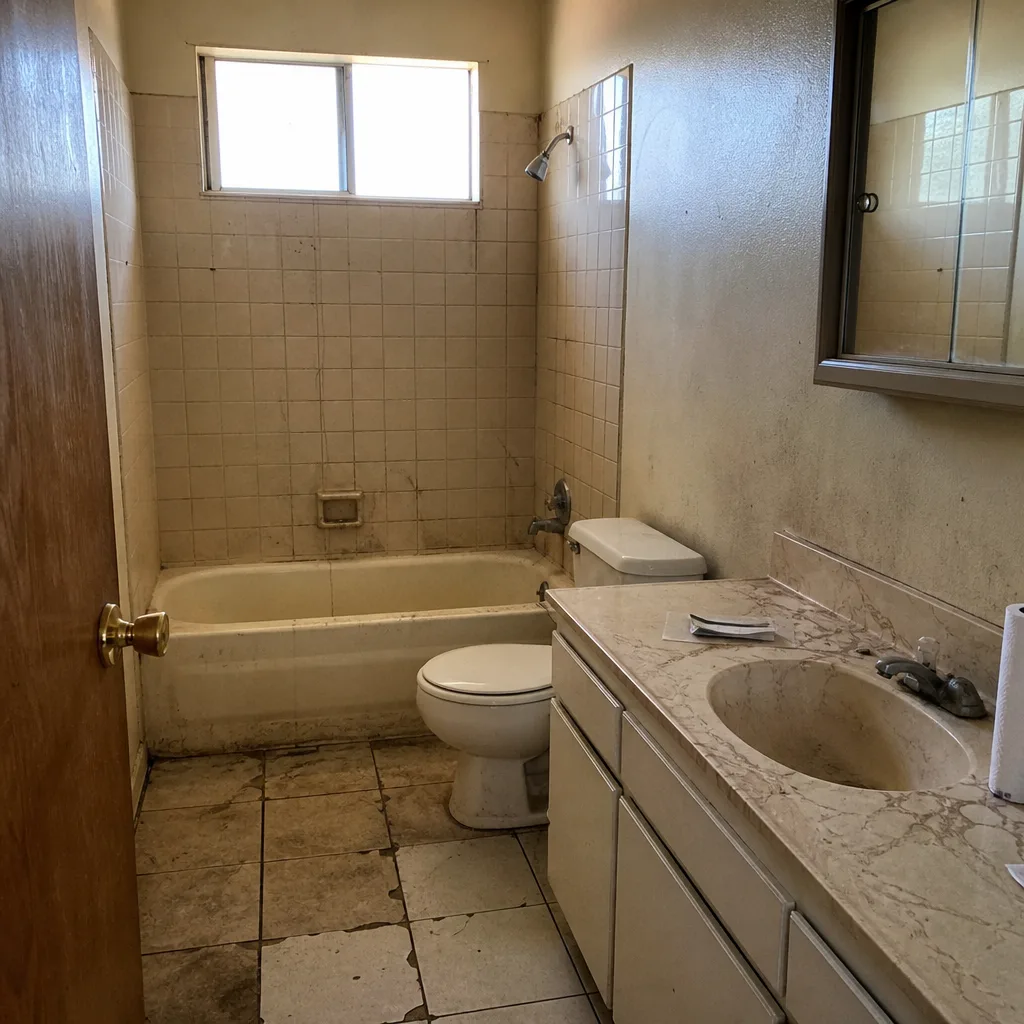 Before
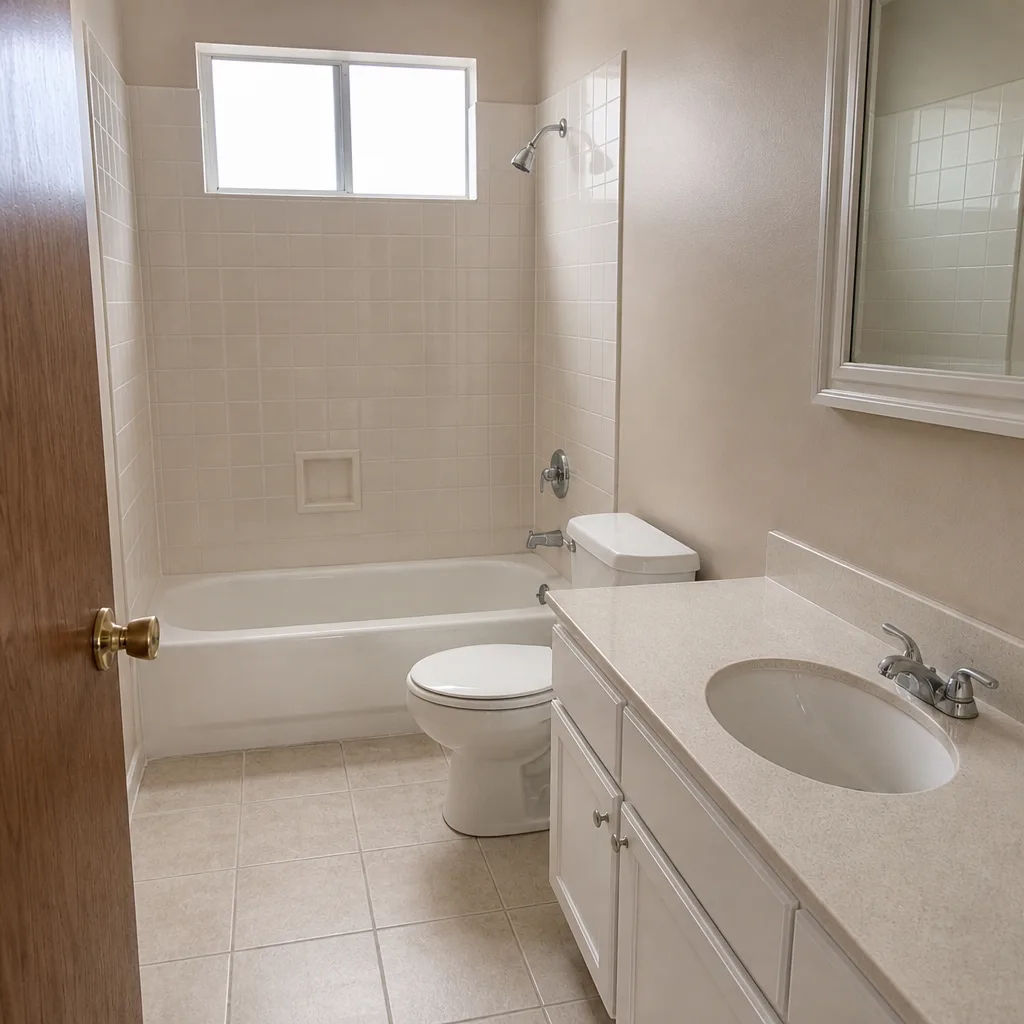 After
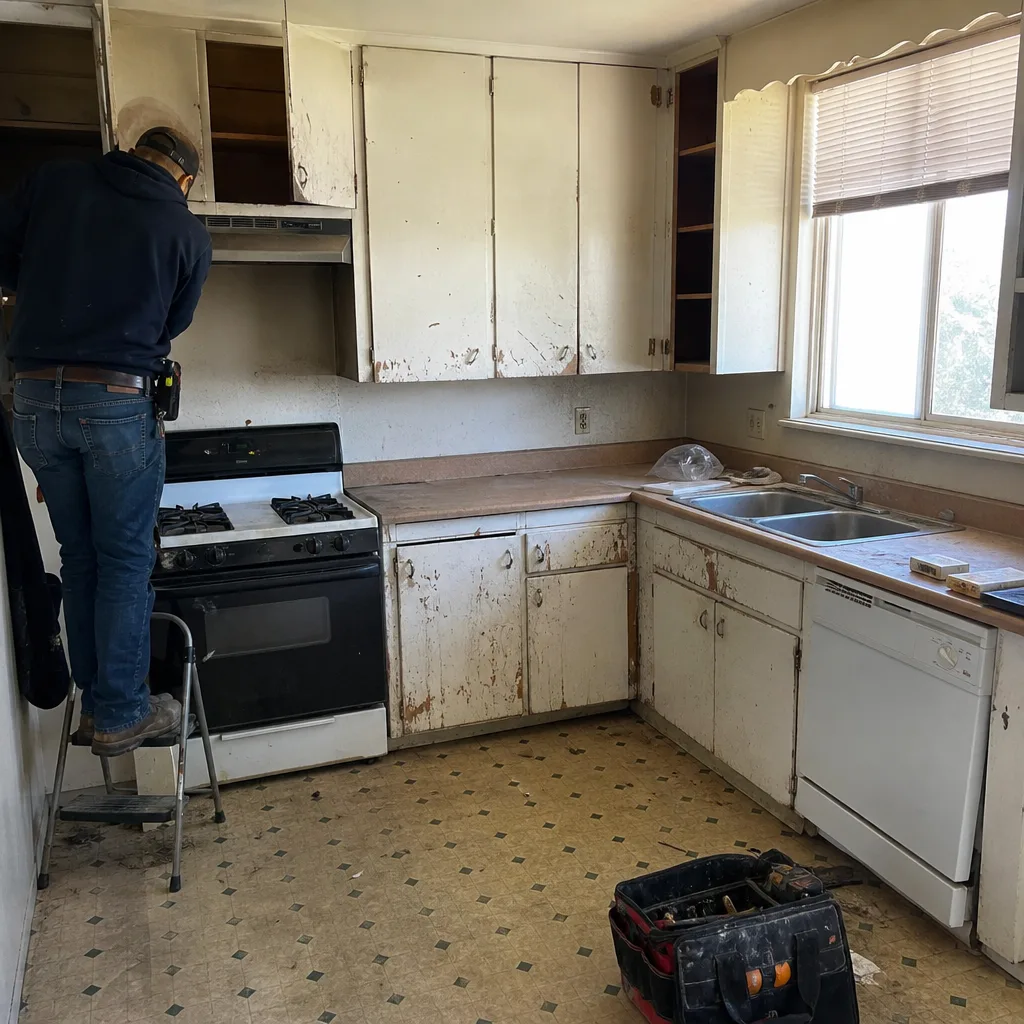 Before
 After
Common Mistakes to Avoid
- Waiting for a storm before checking the patio cover. The ledger bolts are visible from the ground and can be photographed in the dry season. Once the wind starts, it’s too late to do anything but watch.
- Assuming the code that applied to your home is the current code. If a covered patio, fence, or addition was built under an older code cycle, the fasteners meet that cycle – not today’s. That gap is exactly what most wind damage exploits in Palmdale.
- Tarping from the roof in high wind. The water damage from waiting 24 hours is cheaper than the hospital bill from climbing a wet pitch in a gust. Call instead.
- Replacing a fence panel with a box store picket that doesn’t match the post system. Mixing systems is how fence lines fail in a wind event – each style has its own rail and fastener logic. Match the post brand.
- Ignoring attic venting. Standard vents admit embers. If you’re in a WUI zone, replacing them is one of the highest-value upgrades you can make and you probably won’t need to touch the roof to do it.
- Skipping photos because “it looks fine.” The photo you take now is the one that proves to the adjuster six months from now that the shingle was already failing before the storm hit.
- Using a lightweight tarp and calling it done. Temporary leak control needs a tarp that’s actually tied off, not one draped over the ridge. A wind event lifts a lazy tarp entirely.
Frequently Asked Questions
Pricing depends on the scope: a shingle repair, a small section replacement, or a full re-roof each carries a very different price. Because we work with multiple manufacturers including GAF, CertainTeed, Owens Corning, IKO, Atlas, Tamko, and Boral, we can quote across several material tiers and let you choose. The written estimate sets the price. Call (844) 320-6596 for an exact quote – estimates are free.
Most cities require a permit for new fence installation and often for replacement, though repair thresholds vary by height and location. Check with the City of Palmdale’s building department for the specifics on your property. We pull the permits and coordinate inspections as part of the job when the work is permitted. Call (844) 320-6596 to schedule a free estimate.
Impact-resistant refers to hail and debris resistance – it’s a separate rating from fire. Class A refers to fire resistance. A shingle can carry both, one, or neither. For Palmdale, a WUI-zone home cares about Class A first; a home in a hail-exposed spot cares about impact resistance too. We’ll walk you through the options for your address.
Small wind repairs – a few shingles, a strap on a patio post – often complete in a day. Larger jobs that involve tarping, waiting for adjuster approval, and then a full section replacement run longer. Call (844) 320-6596 for a specific timeline on your scope.
Fence coverage depends on your policy and its deductible; many policies cover wind-driven fence damage but at a separate deductible for “other structures.” Contact your carrier to open a claim first, then call us to inspect and quote. We can work with your insurer on documentation but we don’t bill them directly. Call (844) 320-6596 for a free estimate on the repair.
Usually yes, without a full re-roof – eave and attic vents can be retrofitted to smaller mesh or baffled designs. The scope depends on roof type and vent location. Call (844) 320-6596 for a free estimate and inspection.
We answer 24/7. A call outside dispatch hours is booked into the next opening, Sunday through Friday, 7am to 7pm. We’re closed on Saturday.
No premium is added for same-day or emergency work. The price is set per job by the written estimate, and the estimate is free. Call (844) 320-6596 to schedule.
The Bottom Line
Palmdale constructions emergencies are rarely unpredictable. They’re the visible consequence of a fastener left in place from an older code cycle, a vent that admits embers, a water heater that wasn’t strapped, or a documentation file that was never built. The audit is fifteen minutes on a dry day. The documentation is thirty minutes once a year. The call is the one piece that requires another set of eyes, and it’s the one we’re here for. Roof, patio cover, fence, windows, vents, water heater strap: check them one at a time, document them all, and if something doesn’t look right, call us. We’d rather tell you it’s fine than have you find out otherwise during the next wind event.
If you want a second opinion on any part of your structure before the next storm, we’ll come out and look. Call (844) 320-6596 for a free estimate. We answer 24/7. Fast dispatch from 7am to 7pm, Sunday through Friday. Closed Saturday.
Written by the team at Construction Palmdale.