
Last updated November 16, 2026
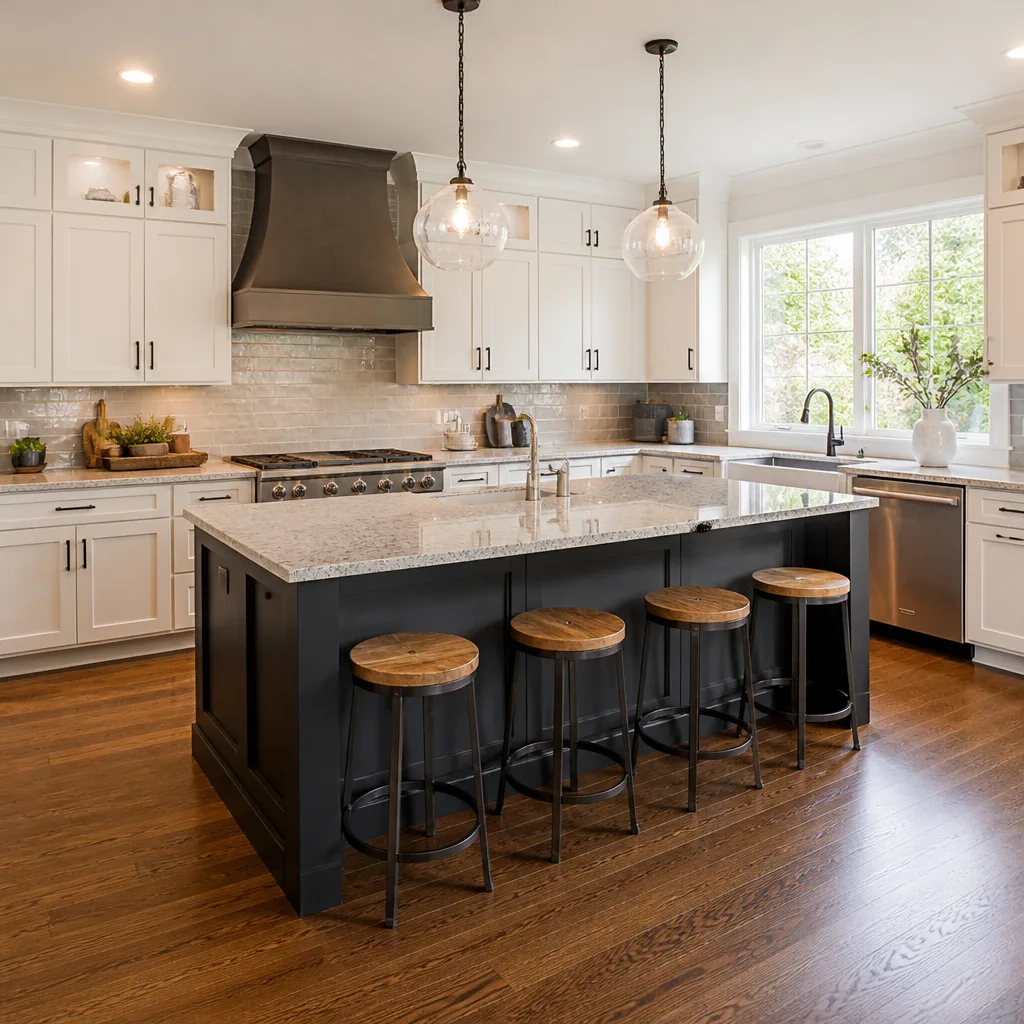 Kitchen remodeling
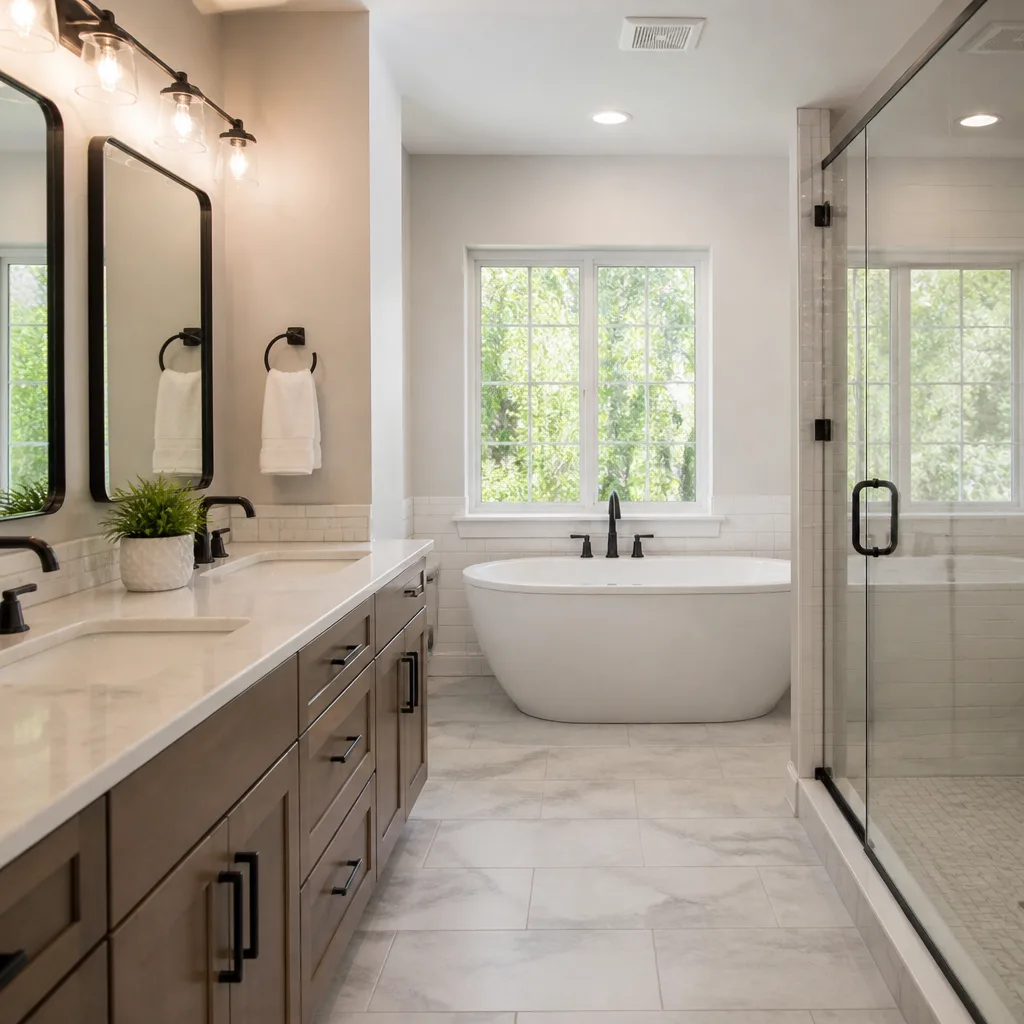 Bathroom remodeling
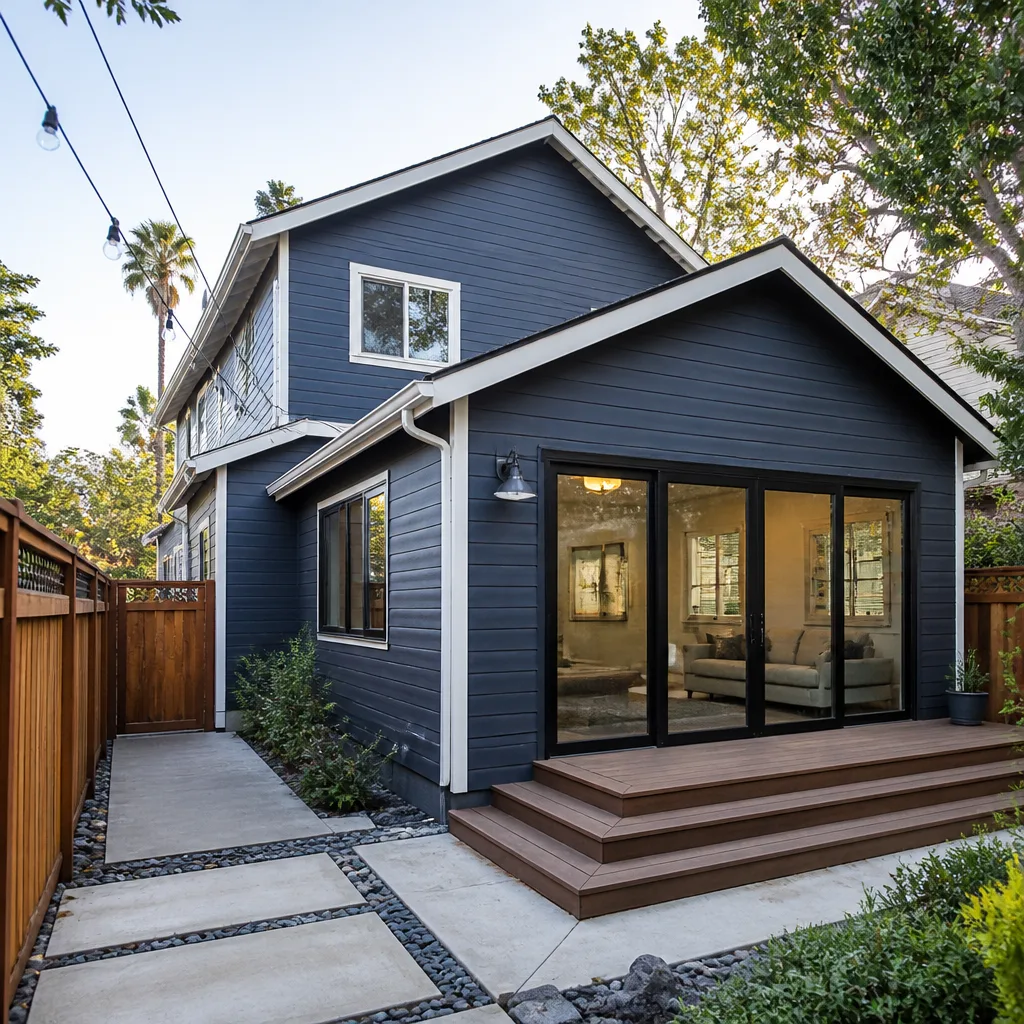 Home additions & ADU
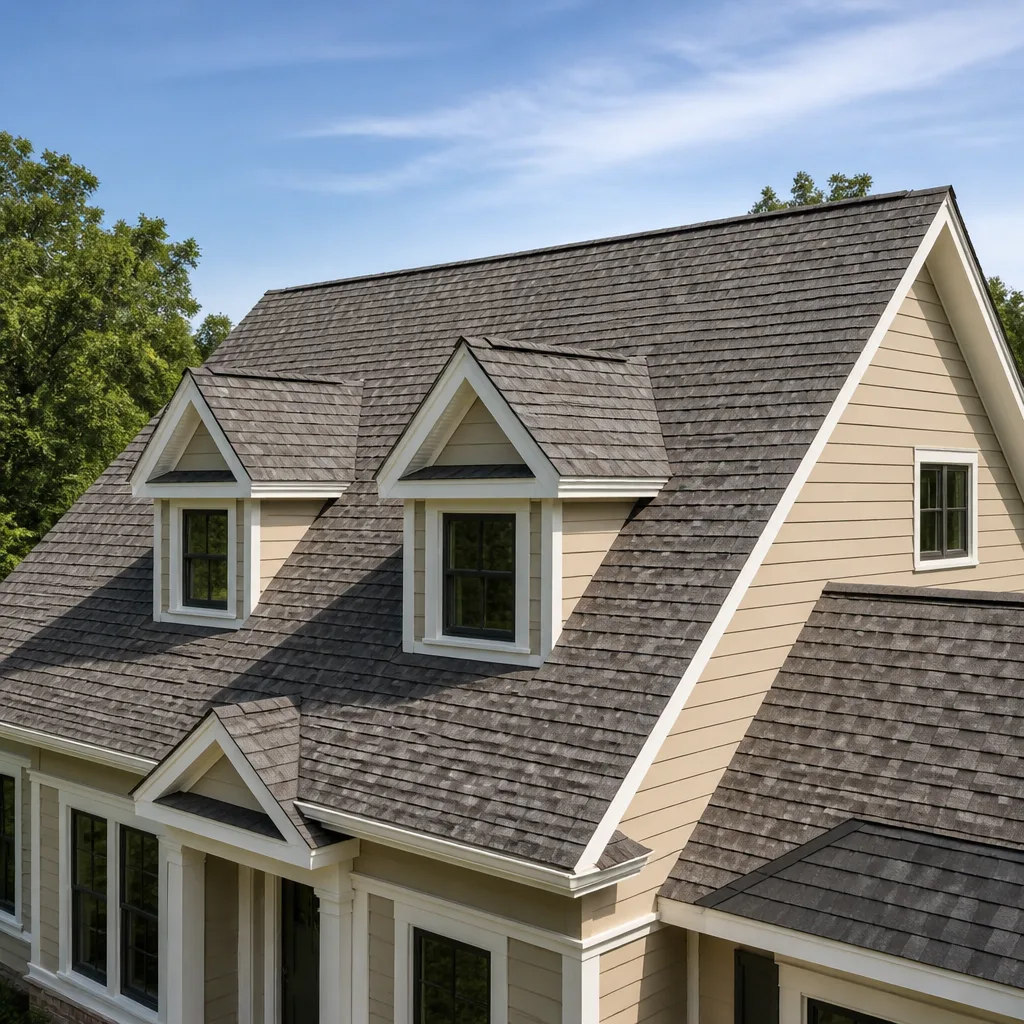 Roofing
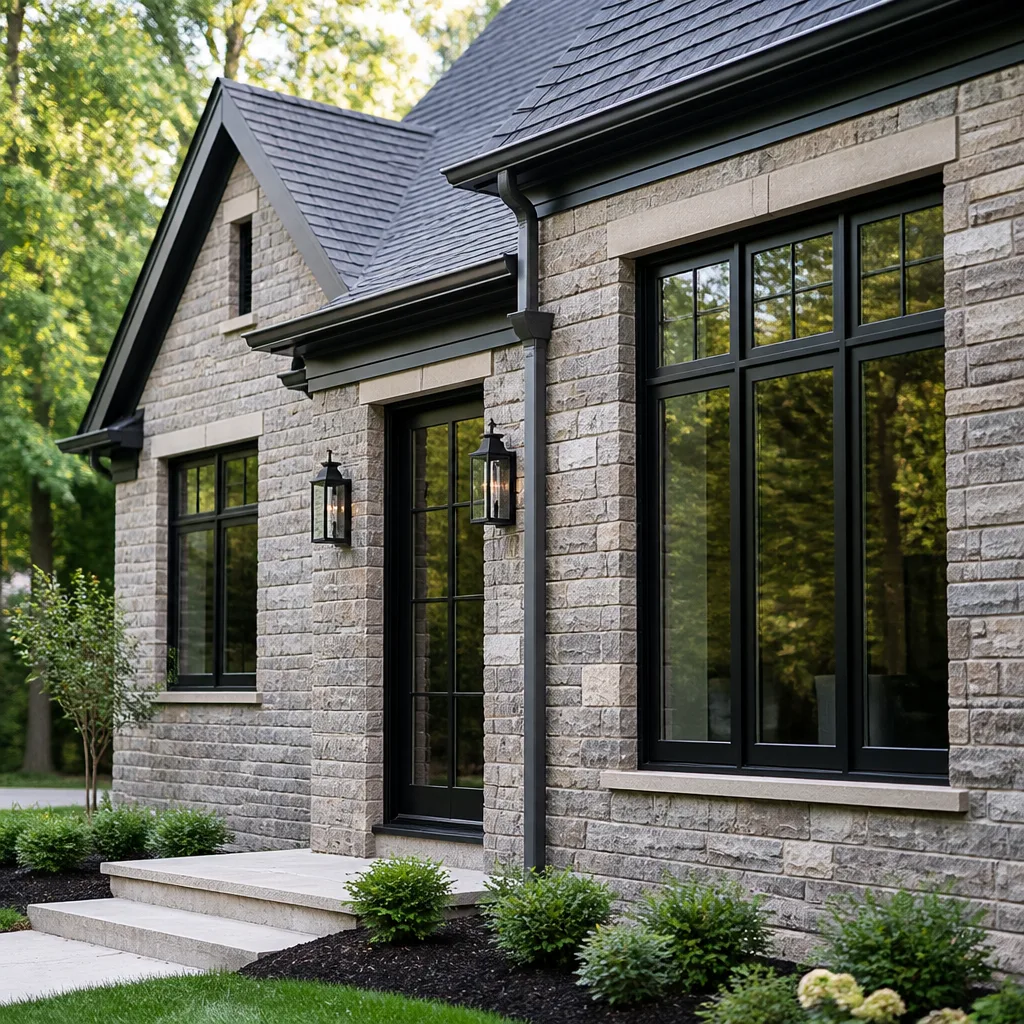 Windows & doors
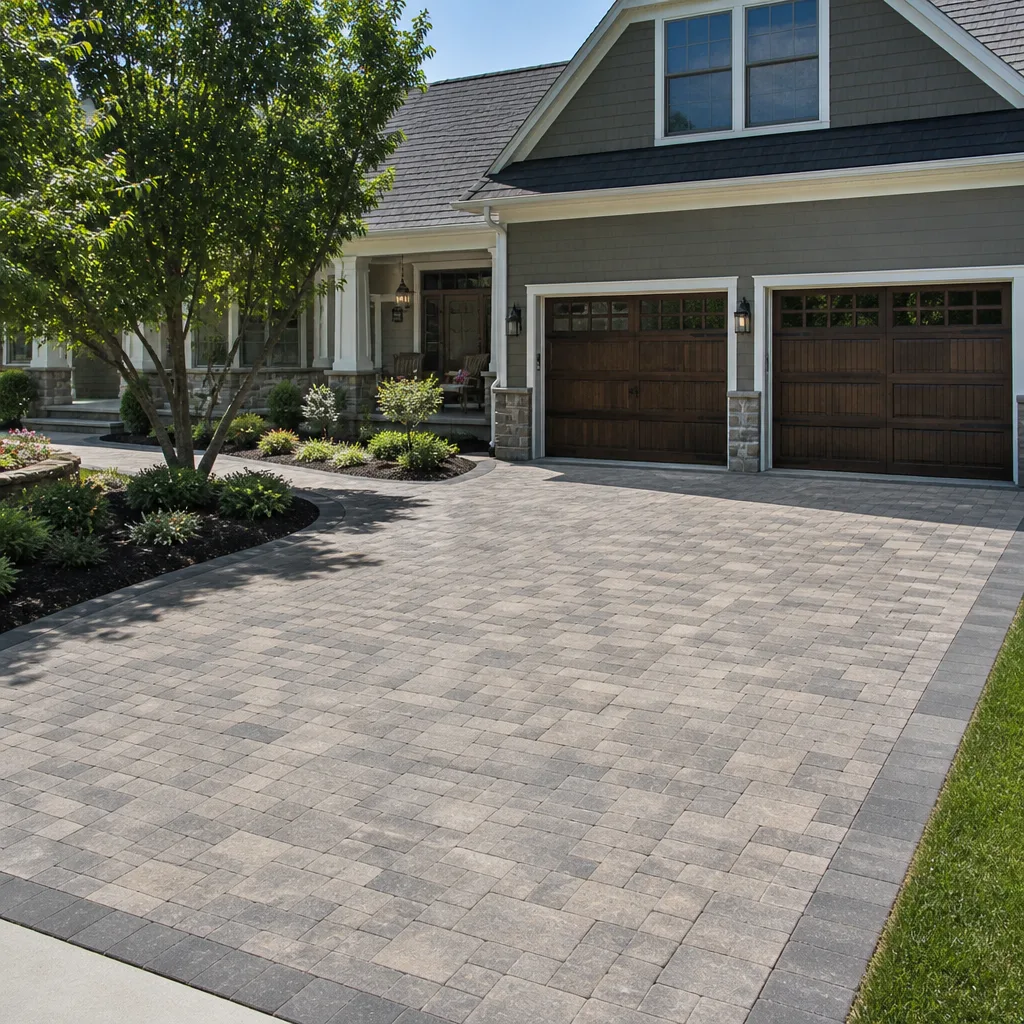 Driveway & pavers
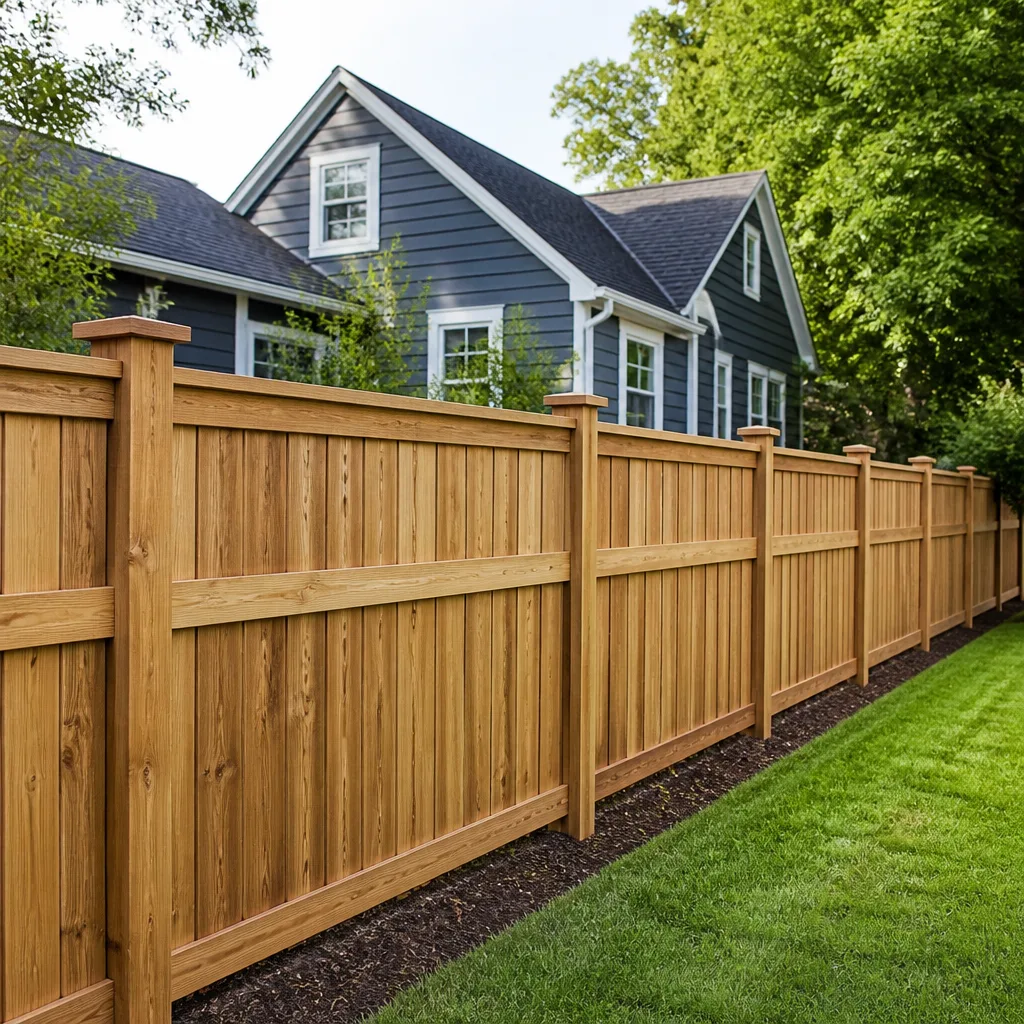 Fence
Free written scope consultation - allowances, timeline, and change-order rules on paper before a single trade is scheduled
Construction Permits, Codes & Inspections in Palmdale, CA: What You Need to Know
Most homeowners in Palmdale assume the city is the only agency that matters. That assumption is the single most expensive one we see. A large share of Palmdale’s residential parcels sit in unincorporated county pockets, and a city permit pulled for a county-governed lot is not worth the paper it’s printed on. The work gets built, then the inspector arrives from the wrong department, or the right department never arrives at all, and the project stalls while paperwork gets sorted out. This guide explains the decision tree before you sign anything: which jurisdiction governs your parcel, which projects actually need permits, how California’s Title 24 energy rules shape roofing and window work in our climate zone, how the inspection sequence runs for additions, re-roofs and ADUs, and what to do about unpermitted work you inherited.
Quick Answer
In Palmdale, construction permits are issued by either the City of Palmdale or LA County Building and Safety, depending on whether your property sits inside city limits or in an unincorporated county island. Most structural, electrical, plumbing and mechanical work on a home requires a permit from whichever of those two agencies has jurisdiction, and the work must also meet California Title 24 energy requirements for this climate zone. Determining jurisdiction from your parcel data is step one, before a single permit application is filed.
Styles & brands we work with
- Kitchen remodeling
- Bathroom remodeling
- Home additions & ADU
- Roofing
- Windows & doors
- Driveway & pavers
- Fence
Table of Contents
- City or County? How to Determine Who Governs Your Palmdale Property
- Which Projects Need a Permit in Palmdale (and Which Truly Don’t)
- Title 24 Energy Compliance for Palmdale’s Climate Zone
- The Inspection Sequence for Common Palmdale Projects
- Unpermitted Work: What It Costs at Resale and How to Fix It
- Numbered Steps: The Permit Process From Start to Final
- Why Material Choice and Permits Travel Together
- Frequently Asked Questions
City or County? How to Determine Who Governs Your Palmdale Property
Jurisdiction is determined by your parcel, not by your mailing address. Plenty of homes with a Palmdale postal address receive building permits from LA County Building and Safety because the lot was never annexed into the city. Before any application is drafted, pull your parcel record and check who lists it.
Here’s the order we use when we start scoping a project:
- Look up your Assessor’s Parcel Number (APN) on the LA County Assessor’s property search.
- Check the parcel record for a jurisdiction field or a tax rate area code. It will tell you whether the lot is city or county governed.
- Confirm against the City of Palmdale’s parcel or zoning lookups, which will either show your address or won’t.
- When the records disagree or the lot sits on a boundary line, call the City of Palmdale Building and Safety counter and read them the APN.
- Write the jurisdiction on the contract before work starts.
County islands around Palmdale are a real feature of our map, not an edge case. Lots near the edges of the city exist in unincorporated territory where county standards apply to setbacks, grading, wells and septic. A contractor who files a city application on one of those lots will get it bounced, and the correction can restart the submittal clock. If you’re weighing a larger project like a home additions & ADU, confirming jurisdiction is the very first question, because the county and city treat ADUs differently on process, though both follow California’s state ADU statutes.
In our experience, this is the mistake that causes the most heartburn in Palmdale. Homeowners assume, contractors assume, and nobody checks. Then the plan reviewer or the inspector does, and the project pauses. It’s a ten-minute lookup that prevents weeks of delay.
Which Projects Need a Permit in Palmdale (and Which Truly Don’t)
Most meaningful residential work in Palmdale requires a permit. The exceptions are narrower than the internet suggests. Contractor forums are full of “you don’t need a permit for that” claims that don’t survive contact with the building department.
Projects that almost always require a permit:
- Any structural alteration: new walls, beam replacements, additions, garage conversions.
- Re-roofing when sheathing is replaced or the roof covering changes material, and most full tear-offs. Always ask the jurisdiction whether a like-for-like overlay exemption applies.
- New or replaced windows and exterior doors that alter the opening, change the means of egress, or affect energy compliance.
- Any electrical panel work, new circuits, or service upgrades.
- Plumbing work that moves fixtures or alters drain lines.
- HVAC installations and replacements, including duct work.
- Water heaters.
- New fence or wall height over the local allowance, or any fence in a front or corner setback.
- Concrete slabs for an ADU or accessory structure, and any grading that exceeds the city or county’s threshold.
Projects that are genuinely exempt in most cases:
- Cosmetic interior work: paint, flooring over existing subfloor, cabinets in the same footprint.
- Like-for-like repair of fixtures and finishes that don’t move pipes or wires.
- Low garden walls under the local height limit and outside setbacks.
- Replacing an appliance plugged into an existing circuit.
Notice the word “most” everywhere. That’s because the actual exemptions depend on which agency has jurisdiction and which project category you fall into. Never accept a blanket “it’s exempt” from anyone. Ask your building department to confirm in writing for the specific scope. That’s true whether you’re planning a driveway & pavers install that touches grading or a full kitchen remodel.
Title 24 Energy Compliance for Palmdale’s Climate Zone
California’s Title 24 energy standards apply to nearly all permitted work, and Palmdale’s climate zone (Zone 14) is one of the more demanding ones because of high summer temperatures and significant diurnal temperature swings. Those swings matter for how a building performs, not just how it feels inside.
Where Title 24 usually touches a Palmdale project:
- Windows and doors. Replacement products must meet U-factor and solar heat gain coefficient requirements for this zone. A cheap window that meets code in a coastal city may not meet it here. This is why brand and model numbers matter on the permit application.
- Roofing. The California Energy Code sets cool-roof reflectance and thermal emittance requirements for many roof replacements. Not every shingle in a manufacturer’s catalog qualifies. GAF, CertainTeed, Owens Corning, IKO, Atlas and Tamko all publish which of their products meet California cool-roof requirements, and the good contractors check the exact model before ordering.
- HVAC. Equipment efficiency standards, duct insulation and duct sealing requirements apply to replacements. Older ducts in Palmdale homes are frequently leaky and under-insulated, and inspectors often flag them on a system change-out.
- Additions and ADUs. New conditioned area must be modeled or comply prescriptively, and the envelope has to meet insulation and glazing requirements for the zone.
What many homeowners don’t realize is that Title 24 compliance is documented on the permit application itself. The energy compliance form accompanies the plans. If your installer can’t produce it, the permit likely won’t be approved, and the final inspection will fail. Ask any contractor for the Title 24 documentation before signing.
Our technicians have up to 10 years of experience with these requirements. It’s part of why we prefer working with manufacturers who publish California compliance data, so we can specify a product with the certification already on hand. Choose the material, not just the contractor, and the code part usually sorts itself out.
The Inspection Sequence for Common Palmdale Projects
Inspection timing is where projects get stuck. Each phase needs to be signed off before the next one starts, and skipping ahead costs more than waiting. Here’s how the sequence typically runs for the three project types we see most in Palmdale, along with what tends to fail at each stage.
Room Addition
- Foundation. The footing trench and reinforcement are inspected before any concrete is poured. Failure points: rebar spacing, anchor bolt placement, and soil condition corrections.
- Rough framing. Wall framing, shear detailing and hold-downs are inspected before sheathing. In Palmdale’s wind exposure in some areas, shear nailing and hold-down hardware get a close look.
- Rough electrical, plumbing, mechanical. These are inspected before insulation. Failure points: wire protection, drain slope, duct strapping.
- Insulation and Title 24 verification. Insulation R-values and window labels are checked against the compliance form. This is where a mismatched window model fails.
- Drywall and finish. After drywall, the final inspections combine multiple trades. Watch for missing smoke and CO alarms, exterior grading, and final electrical sign-off.
Re-Roof
- Dry-in or sheathing inspection where required. Sheathing attachment and nailing pattern get checked.
- Mid-roof or underlayment inspection for some jurisdictions, especially on steep-slope roofs and where flashing details matter.
- Final inspection. Flashing, ventilation, cool-roof compliance documentation and cleanup. The most common final failure is a cool-roof product that doesn’t match the permit submittal.
ADU
- Site and utility verification. Jurisdiction checks the utility connections, setbacks from the main residence, and whether the lot meets state ADU eligibility.
- Foundation and utility trench. Similar to an addition, plus sewer and water lateral inspections.
- Framing, MEP rough, insulation. Follows the same pattern as an addition.
- Final. Includes separate sign-offs for each trade and often a final energy verification. Factory-built ADUs from makers like Dvele or Mighty Buildings come with their own factory inspection documentation, which the local inspector still reviews against site work.
For additional depth on fence-adjacent setback rules and boundary improvements, see our guide on fence installation.
Unpermitted Work: What It Costs at Resale and How to Fix It
Unpermitted work is unfortunately common in Palmdale, especially in older homes where a prior owner added a room, converted a garage, or built a patio cover without permits. When you sell, this becomes a real problem with the buyer’s lender and title insurer, and it can stall a sale outright.
Here’s what it does to resale:
- Lenders may refuse to finance a home with unpermitted habitable space.
- Appraisers may not credit the square footage, so the value doesn’t match the count.
- Title may carry a cloud if the unpermitted work was ever flagged by a code enforcement action.
- Buyers negotiate discounts or walk away.
- Insurance may exclude damage connected to unpermitted work.
The fix is a retroactive permit, formally called an as-built permit or a “permit for unpermitted work.” The process:
- Determine jurisdiction with your APN, exactly as we described above.
- Contact the building department and explain the situation. Ask what documentation they require for a retroactive permit.
- Hire a licensed engineer or architect to inspect the existing work and prepare as-built drawings or a structural report if needed.
- Open walls as required for inspection. Sometimes a portion of the work has to be exposed to verify framing, wiring, plumbing.
- Bring non-compliant items up to current code, then complete the inspection and receive the final sign-off.
Cost varies hugely with what was built and how well. A small unpermitted addition with an accessible frame is a modest job. A garage conversion with hidden plumbing and no vapor barrier is a much larger one. Either way, the retroactive permit is almost always cheaper than the sale discount.
Numbered Steps: The Permit Process From Start to Final
The permit process in Palmdale follows a predictable path. If you’ve never done this before, the order looks like this:
- Confirm jurisdiction. Pull the APN and check the parcel record. City or county. Write it down.
- Scope the project in writing. A clear scope protects you from mid-project change orders and lets your contractor price accurately.
- Prepare plans. Even simple projects need drawings that match the scope. Additions and ADUs require architectural plans and, often, structural engineering.
- Complete Title 24 documentation. The energy compliance form is submitted with the plans.
- Submit the application. If you’re in the city, submit to City of Palmdale Building and Safety. If you’re in the county, submit to LA County Building and Safety.
- Plan review. The department reviews for code and energy compliance. Expect one or two correction cycles, usually centered on structural details or Title 24 documentation.
- Pay permit fees and pull the permit. Get the permit placard posted on site. Work can now begin.
- Schedule inspections. Your contractor should request them at each milestone, in the sequence we covered above.
- Final inspection and certificate of occupancy. For additions and ADUs, the final inspection often includes a certificate of occupancy, which is what you’ll need for resale and insurance.
For more about envelope work and how permits tie to the exterior of a Palmdale home, our main Construction Palmdale page outlines the seven project categories we handle and how they fit together.
Why Material Choice and Permits Travel Together
Material selection is a permit decision, not just a design decision. California codes and Title 24 requirements eliminate whole product lines from the approved catalog for this climate zone. If your heart is set on a specific shingle, a specific window, or a specific exterior door, check that the model is listed in the compliance documentation for Zone 14 before you order.
This is where brand optionality starts to matter. On a Palmdale re-roof, we can specify across GAF, CertainTeed, Owens Corning, IKO, Atlas, Tamko and Boral, and we compare which of their systems clears cool-roof requirements for the project. On windows and doors, we can look at products across multiple manufacturers and match them to the U-factor and solar heat gain numbers your inspector will check. On kitchen and bath work that includes cabinetry and countertops, the finish choices don’t affect permits much, but the electrical and plumbing rough-ins do. Cambria, Caesarstone and Silestone, along with cabinet lines like KraftMaid and Wellborn, are all materials we can bring into a project where they fit the scope and the budget tier.
Reputable contractors won’t try to talk you out of checking. They’ll bring you the compliance sheets. Built to manufacturer spec is how the warranty stays intact, and the recipe for that starts with the right product on the permit application.
Common Mistakes to Avoid
- Trusting your mailing address for jurisdiction. A Palmdale address does not mean city jurisdiction. Pull the APN and check the parcel record before anything is drafted or signed.
- Assuming a handshake is a permit. Verbal approvals from a neighbor, a friend, or a “guy who knows the department” are not permits. Only the written building permit with a valid placard counts.
- Starting work during plan review. Submitting plans does not authorize construction. Work started before the permit is issued often has to be torn out for inspection.
- Ordering windows or a roof before checking Title 24 compliance. A non-compliant product in Zone 14 fails final inspection, and re-ordering on a schedule is expensive.
- Missing the cool-roof requirement on a re-roof. It’s the most common final inspection failure we see in Palmdale, because the installer ordered a shingle that’s not on the California cool-roof list.
- Ignoring unpermitted work when buying. If you purchase a home with unpermitted additions, the liability transfers to you. Get a retroactive permit before closing or budget for one.
- Changing the scope mid-project without a change order. Even small additions – a moved outlet, a shifted wall – can invalidate the approved plans and require resubmittal.
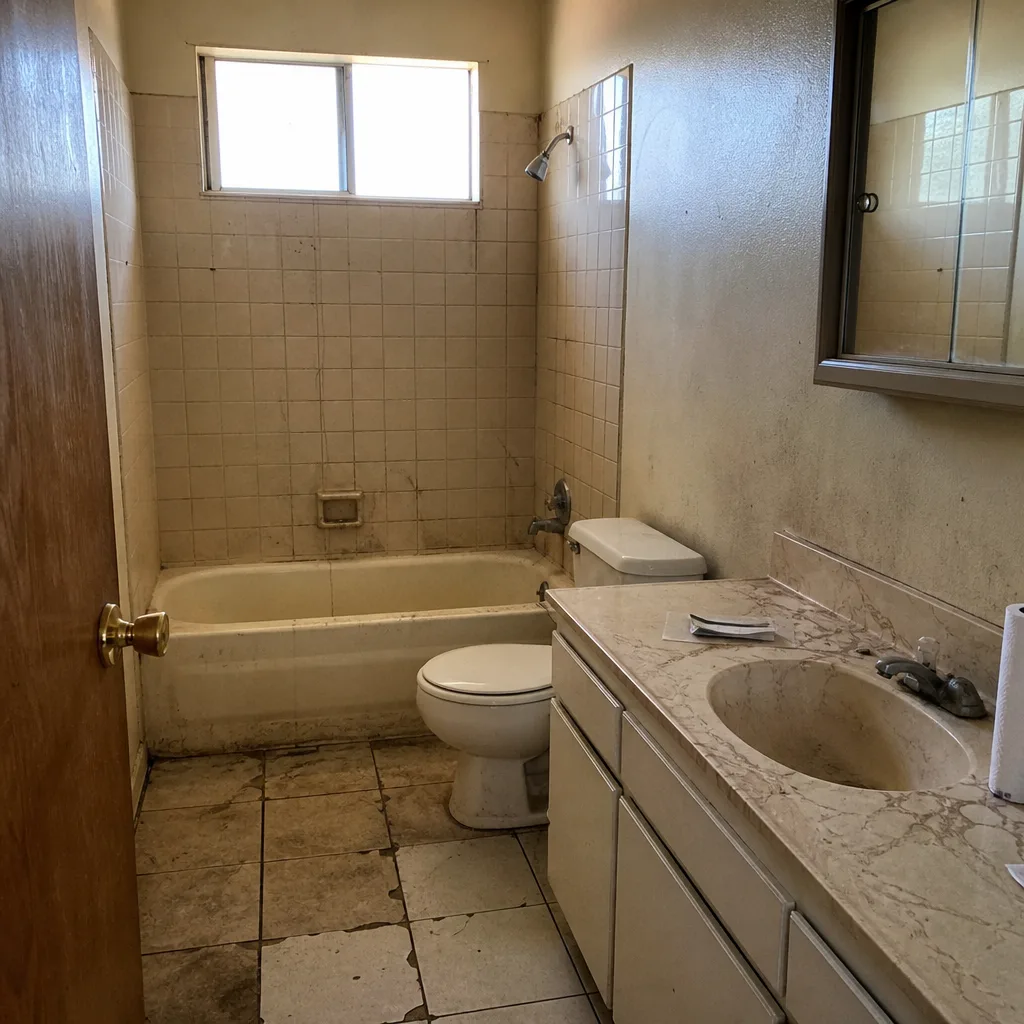
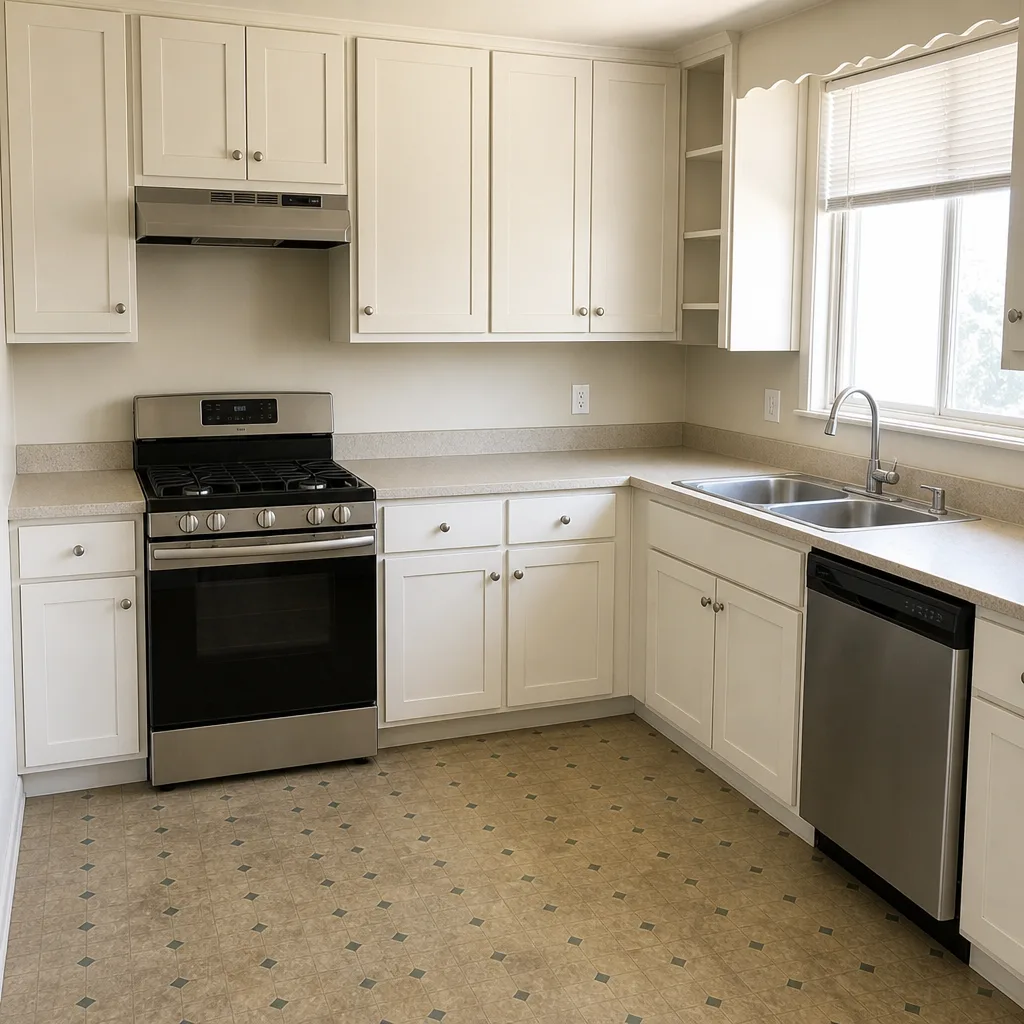
See the difference
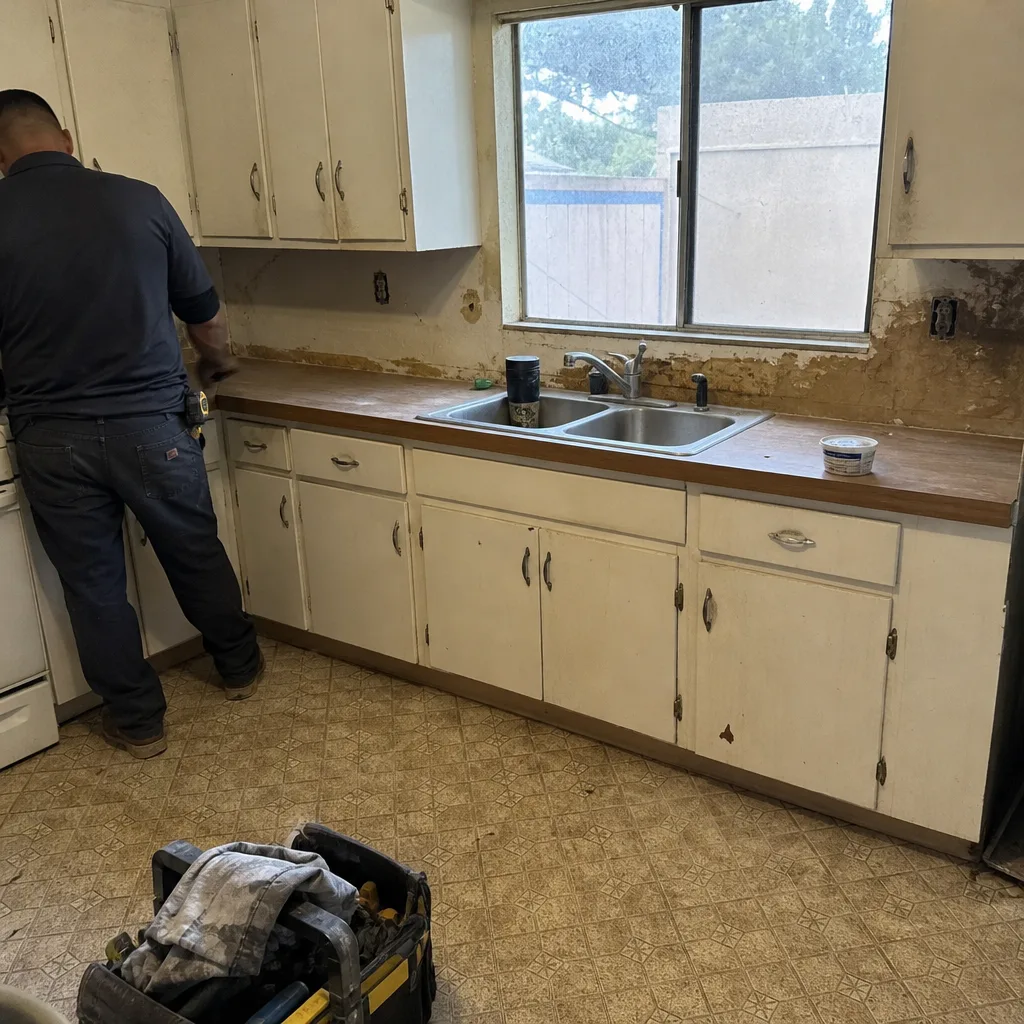 Before
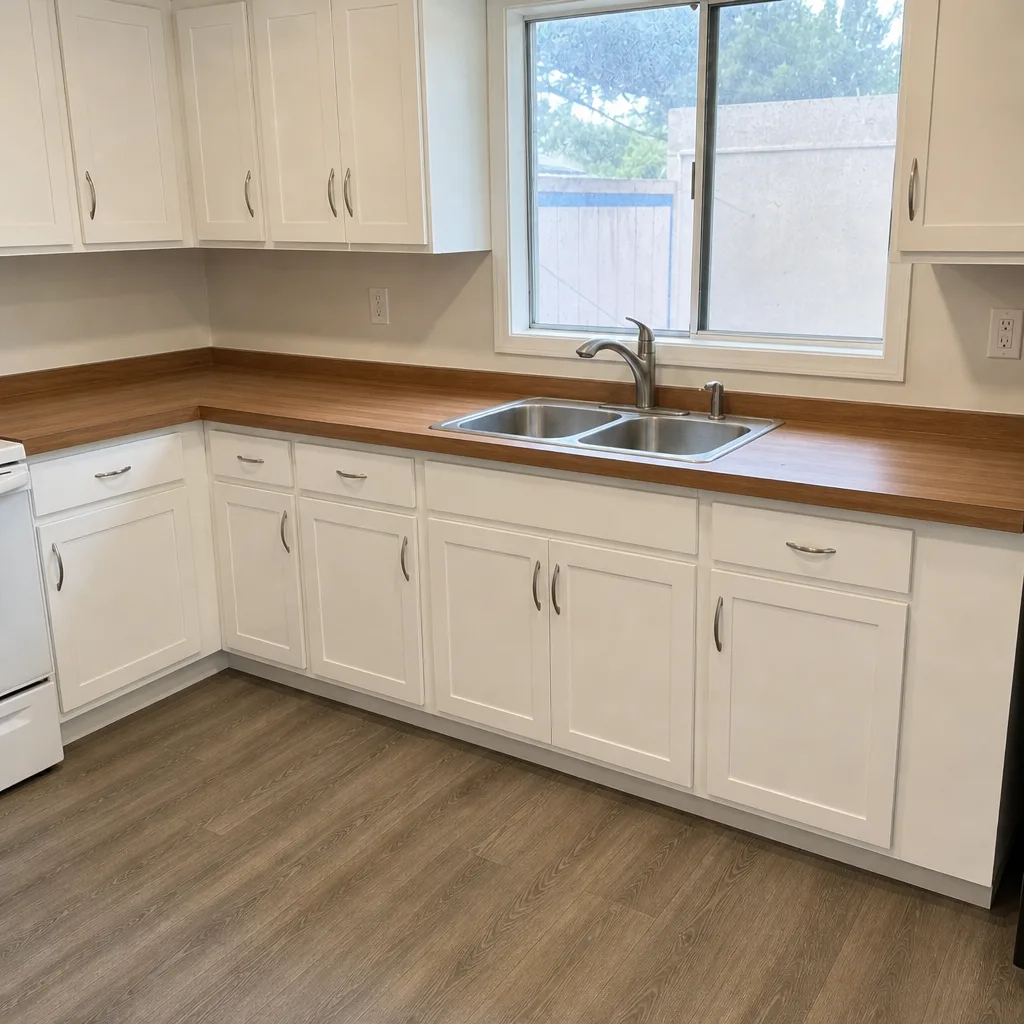 After
 Before
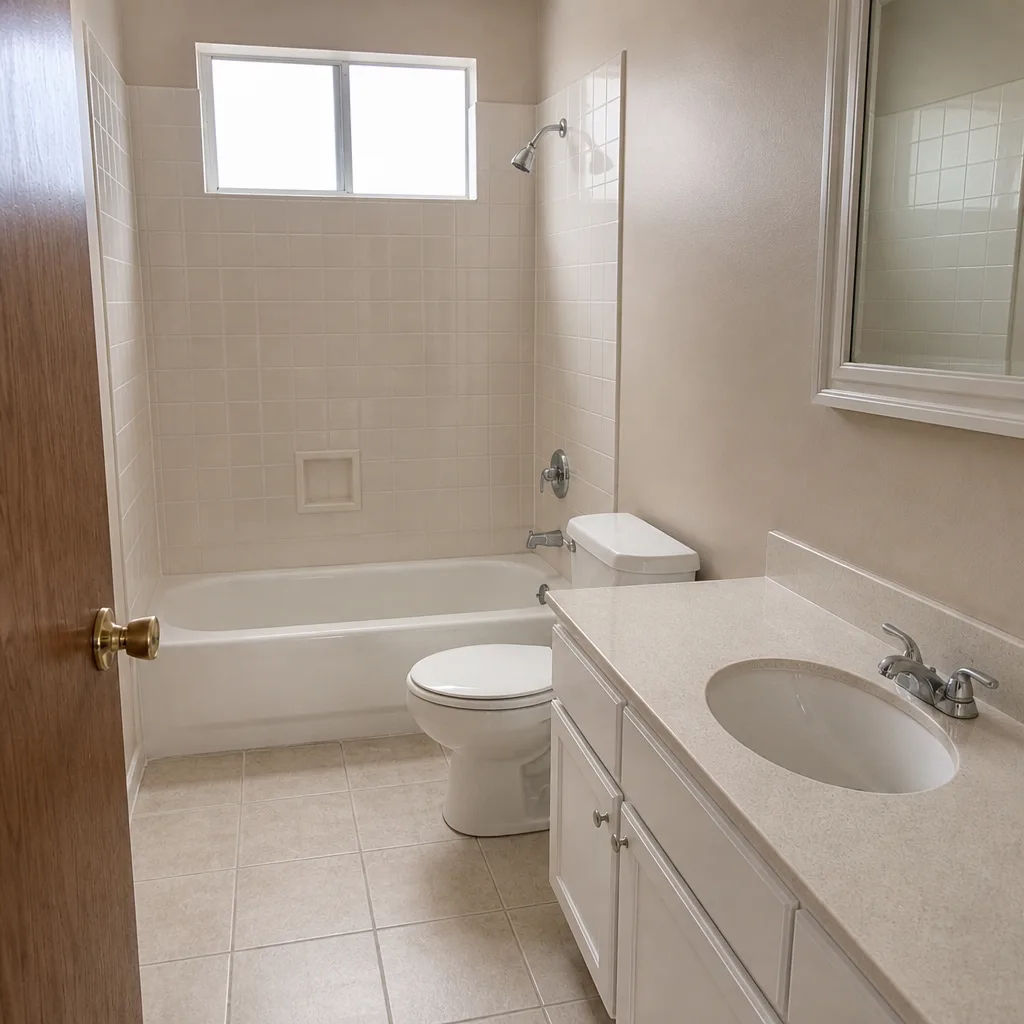 After
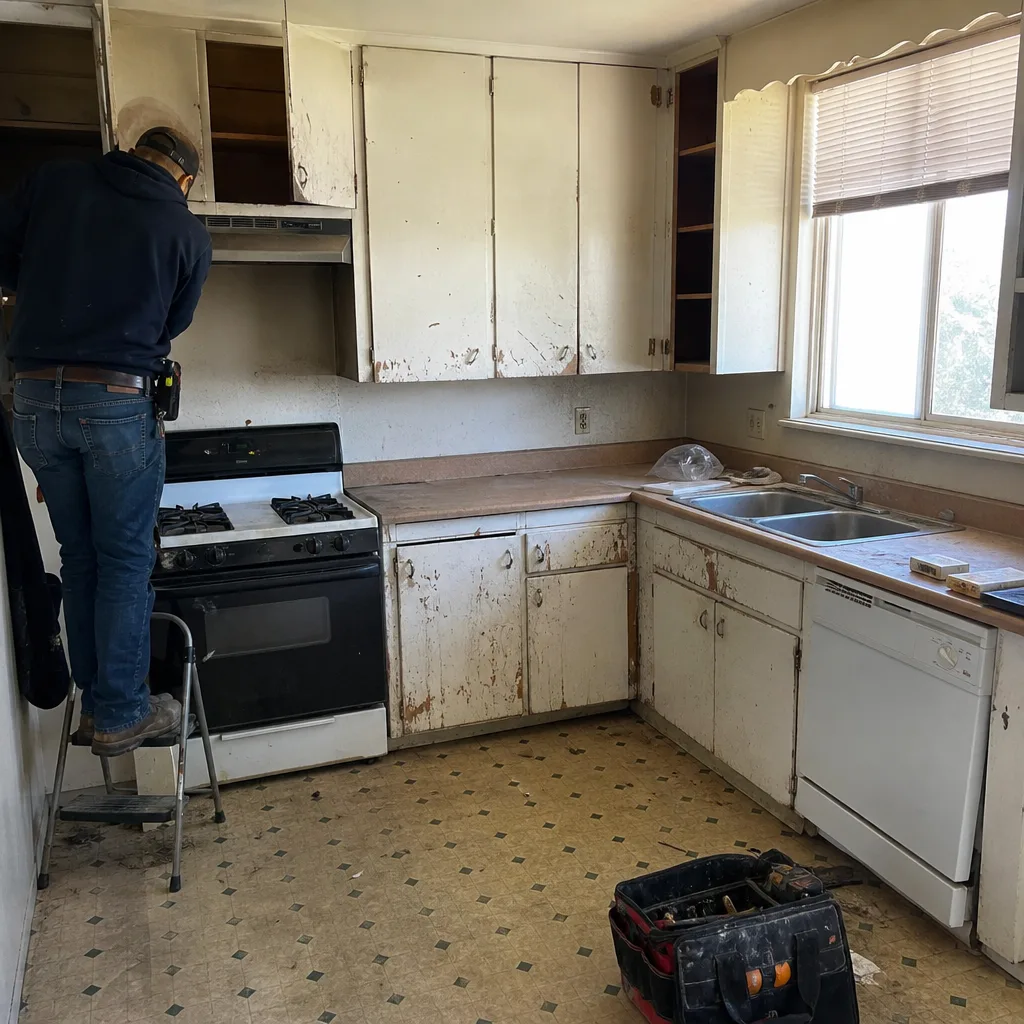 Before
 After
When to Call a Professional
Call a licensed contractor when the scope involves any structural work, when jurisdiction is unclear, when Title 24 compliance is involved, or when you’re facing a retroactive permit for inherited unpermitted work. Those four situations account for the vast majority of delays and budget overruns we see in Palmdale. Our technicians have up to 10 years of experience with LA County and City of Palmdale permit processes, and one team from the roof to the driveway means accountability doesn’t get lost between trades. Construction Palmdale offers free estimates in Palmdale – call (844) 320-6596.
Frequently Asked Questions
Pull your Assessor’s Parcel Number and check it against the LA County Assessor property search and the City of Palmdale parcel lookup. The parcel record will tell you which jurisdiction holds your lot. If the records are ambiguous or your lot sits on a boundary line, call the City of Palmdale Building and Safety counter with the APN and ask them directly. Call (844) 320-6596 if you want us to walk through it with you before you sign a contract.
In most cases yes, especially for a full tear-off or a change in roof material, and any re-roof in California Zone 14 must also meet cool-roof energy requirements. Like-for-like repairs of a small area may be an exemption, but confirm with your building department before ordering materials. We’ll pull the permit and handle the inspection sequence; call (844) 320-6596 for a free estimate.
It can stall the sale. Lenders may decline financing, appraisers may exclude the square footage, and buyers will negotiate a discount or walk. The fix is a retroactive permit, which requires as-built drawings and inspections of the existing work. Starting the process early is far cheaper than discounting the sale.
It depends on the jurisdiction, the complexity of the plans, and how quickly corrections are returned. A well-prepared submittal with complete architectural plans, structural engineering and Title 24 documentation usually clears in fewer review cycles. Expect at least one round of correction comments even on a clean submittal. Call (844) 320-6596 for help scoping the submittal before you file.
Yes, an ADU is permitted construction and follows the same fundamental process: architectural plans, Title 24 compliance, engineering where needed, and the full inspection sequence through to the certificate of occupancy. California’s state ADU rules streamline some requirements, but both the city and county still process permits. We build both site-built and factory-built units, including from makers like Dvele and Boxabl, and each path has its own permit packaging; call (844) 320-6596 to compare options.
On re-roofs, it’s a cool-roof product that doesn’t match the permit submittal. On additions and ADUs, it’s missing Title 24 documentation, incomplete MEP rough-in protection, or duct sealing that doesn’t hold up. Each is preventable with a careful pre-inspection. Call (844) 320-6596 and we’ll review the punch list with you before scheduling.
The Bottom Line
The permit system in Palmdale is not complicated, but it has a fork at the start that trips up homeowners and contractors alike. Confirm jurisdiction from your parcel record before anything else. Then match the permit scope to the actual project, make sure Title 24 compliance is documented for the exact products going on your home, and follow the inspection sequence in order. If you’ve inherited unpermitted work, the retroactive permit is a manageable project, not a disaster. Your next project deserves the same contractor you trust for the one after that. Call (844) 320-6596 for a free estimate. We answer 24/7. Fast dispatch from 7am to 7pm, Sunday through Friday.
Written by the team at Construction Palmdale.